
#FingerstickFree: Bringing South African Diabetics Together for a Medical Aid Breakthrough
How we used precision advocacy to help Diabetics raise their voices and get access to the life-saving medtech they needed.
We used public activism combined with precision advocacy to help Sweet Life secure a big win for the diabetes community in South Africa: medical aid coverage for wearable glucose sensing technology.
Diabetes is a major public health issue in South Africa. It is the leading cause of death of all people above 60 years of age, and impacts millions of lives. Yet people with this chronic condition can live long and healthy lives. The key is effective diabetes management. That is why the Freestyle Libre, a wearable device that helps keep track of glucose levels, is literally a lifesaver for so many.
Yet in October 2020 the Freestyle Libre, and other flash glucose monitoring devices, were not covered by South African medical aids. We were approached by Abbott and Diabetes Advocacy South Africa to help them do something about this.

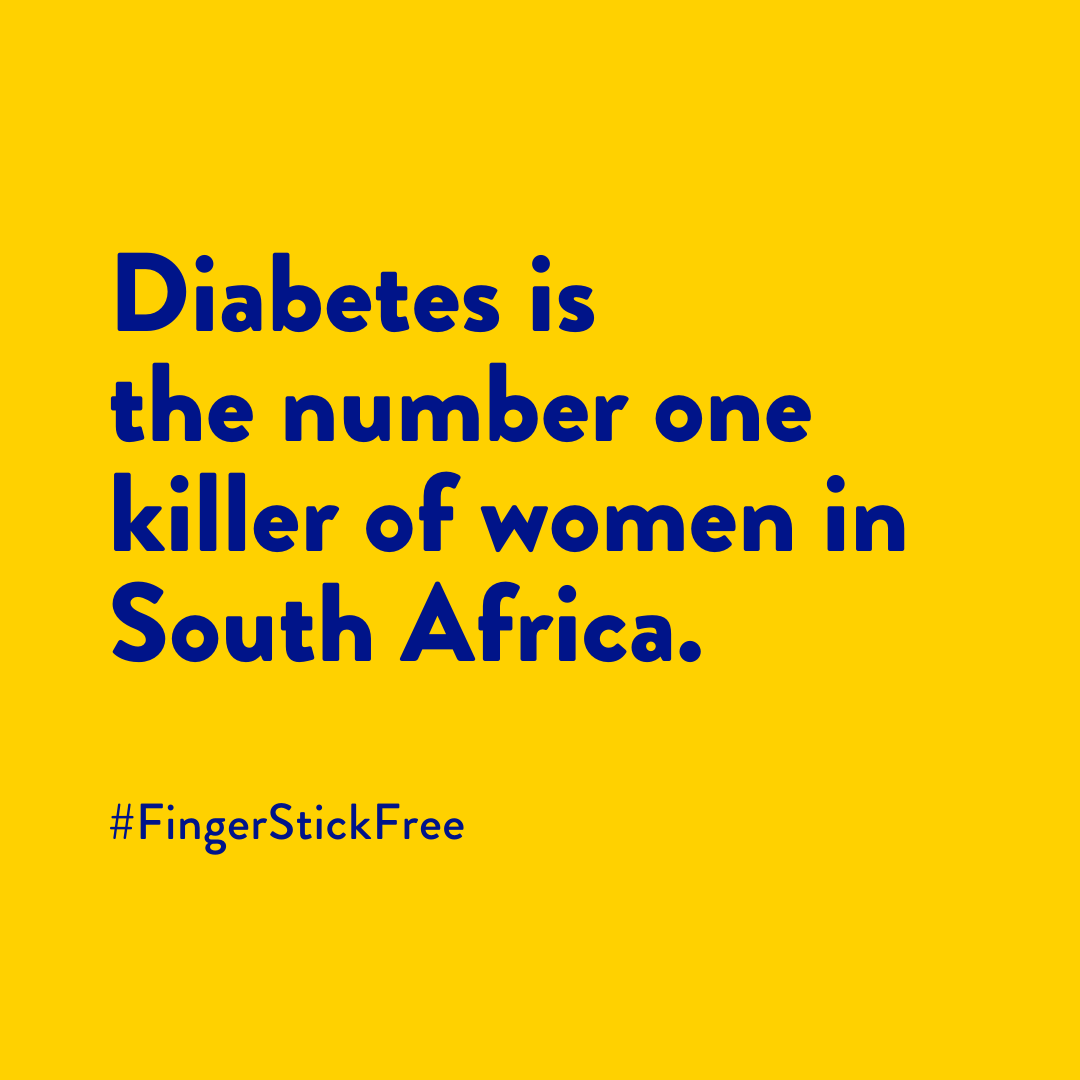

#FingerstickFree: Freedom from Finger-Prick Glucose Testing
Flash Glucose Monitoring devices give diabetics real-time information about their glucose levels. This gives them valuable data throughout the day and helps them manage their diabetes more effectively. Before these devices came around, people living with diabetes would have to prick their fingers to draw blood, and use disposable testing strips. This limited the amount of testing they could do because it was painful and inconvenient.
Yet medical aids only covered people living with diabetes for the finger-prick test method. This is old-school, it’s inconvenient, and doesn’t offer users the latest available technology that can literally save their lives.
So in 2020 we partnered with SweetLife, who run South Africa’s largest diabetes Facebook group, to bring their members together with a purpose: we’d call on South African medical aids to go #fingerstickfree.

Medical aid schemes knew about the advantages of flash glucose monitoring (FGM) and continuous glucose monitoring (CGM) for their members, but were delaying making any decisions about whether to pay for these devices. Public support was needed to help create pressure at the medical aids to make a decision.
November is World Diabetes month, so we had a meaningful timeline and challenge: get at least one medical aid to make the decision to support CGM by the end of November.
Our core idea was to get hundreds of people living with diabetes to raise their voices on social media, calling on their medical aids by name. But with limited time and a very diverse community, we needed to ensure that participation was as easy and inclusive as possible.
Our solution was a smart signup form that automatically generated personalised posters for everyone.
A signup form on Sweetlife.co.za had fields for people to add their names, upload a photo, and select which medical aid scheme they were a member of. They could then choose from a selection of pre-written messages of support. A human moderator on our team checked each sign-up. Once approved, a personalised poster was generated and sent back to the person who signed up with an encouragement for them to post it to their social media. This meant Instagram, Facebook and Twitter was flooded with mentions of #FingerStickFree and calling on medical aids to support the cause.
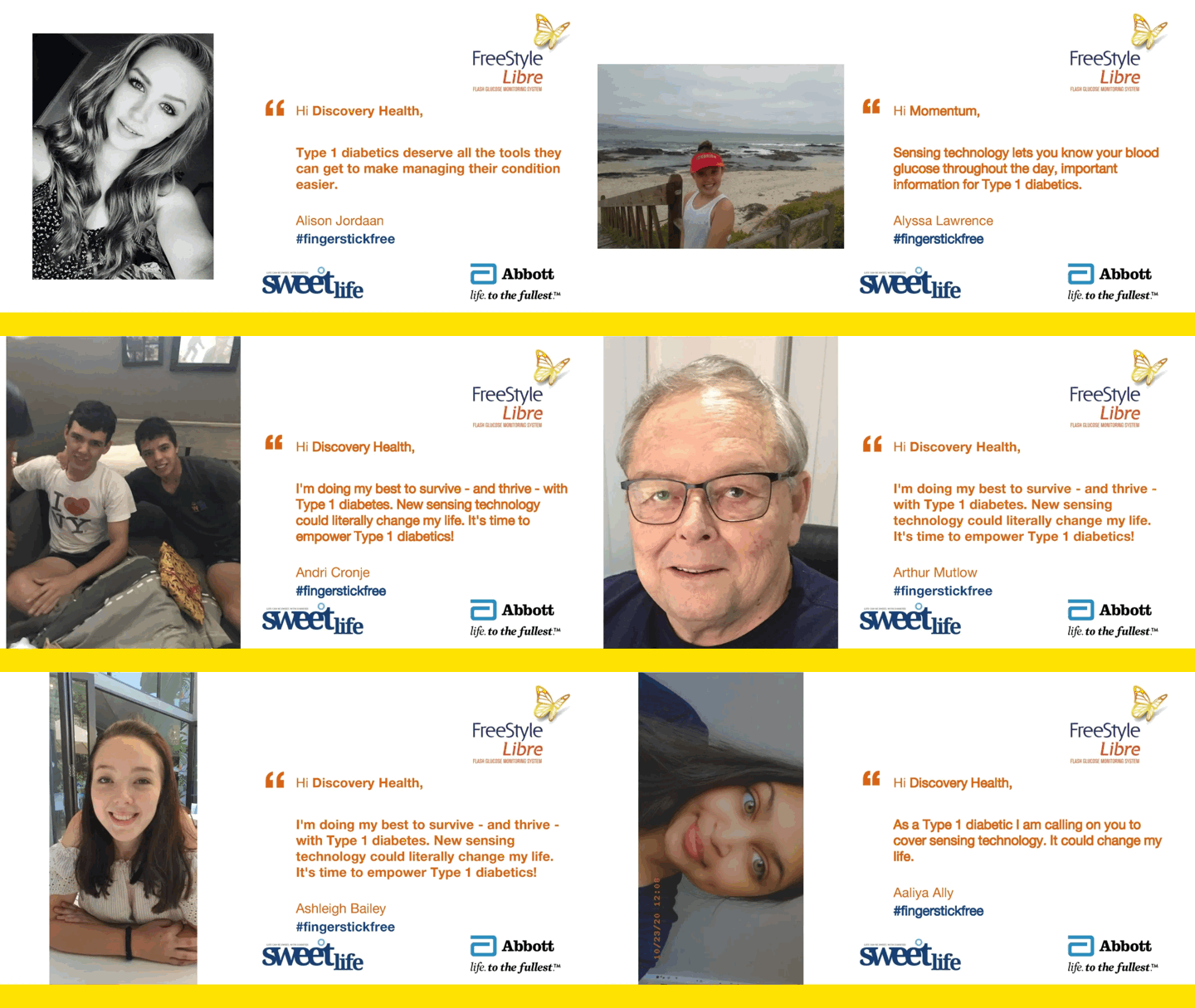
Many people also tagged their own medical aid schemes so that we got the discussion going in a broader space. Sweet Life were also able to grow their community as many of the people who participated chose to opt into their database which means community members can now be contacted in a precise way for subsequent campaigns focusing on specific medical aids.
The result: Precision advocacy through a simple system that meant we could be in touch with people who were relevant and help them to raise their voice in a way that was powerful. The community was heard and the win was theirs! Discovery now includes the FreeStyle Libre as part of their Prescribed Minimum Benefit.
Discovery Health was one of the medical schemes that had the opportunity to really listen and become a progressive partner in leading the charge. They had long been a proponent of medtech and wearables, so we believed they’d be the most likely ally if we showed them how important this issue was for their diabetic members.
Their support for the diabetes community was matched by the diabetes community supporting Discovery, as we followed up with a #ThankYouDisovery campaign that involved hundreds of Discovery members publicly thanking their medical aid and celebrating their decision. This doubtlessly helped Discovery become a more attractive medical aid, and paved the way for other medical aids to follow suit.
To stay connected to this campaign and the issue sign up to SweetLife and Diabetes Advocacy South Africa.
Eliud Kipchoge and Ryan Sandes run for rivers in virtual #WorldRiverRun 2021
The world’s leading road and trail marathon runners joined people from 115+ countries for a virtual running event dedicated to rivers.
By Melanie Ho


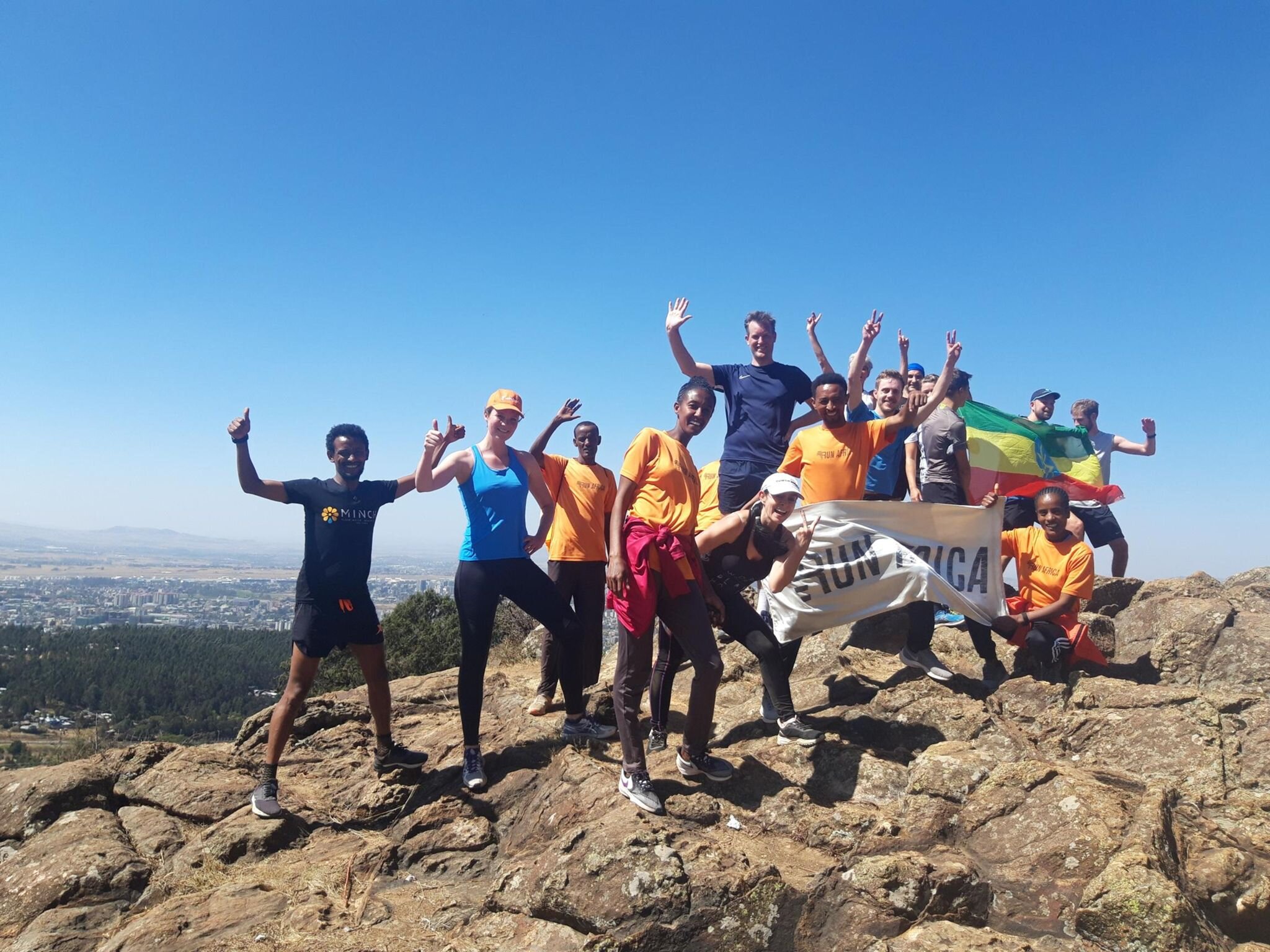
June 5, 2021 -- A global virtual event celebrating the beauty and value of our rivers saw Eliud Kipchoge, the world's fastest marathoner and Ryan Sandes, the world's top ultra trail runner, join runners from 115 countries for the #WorldRiverRun.
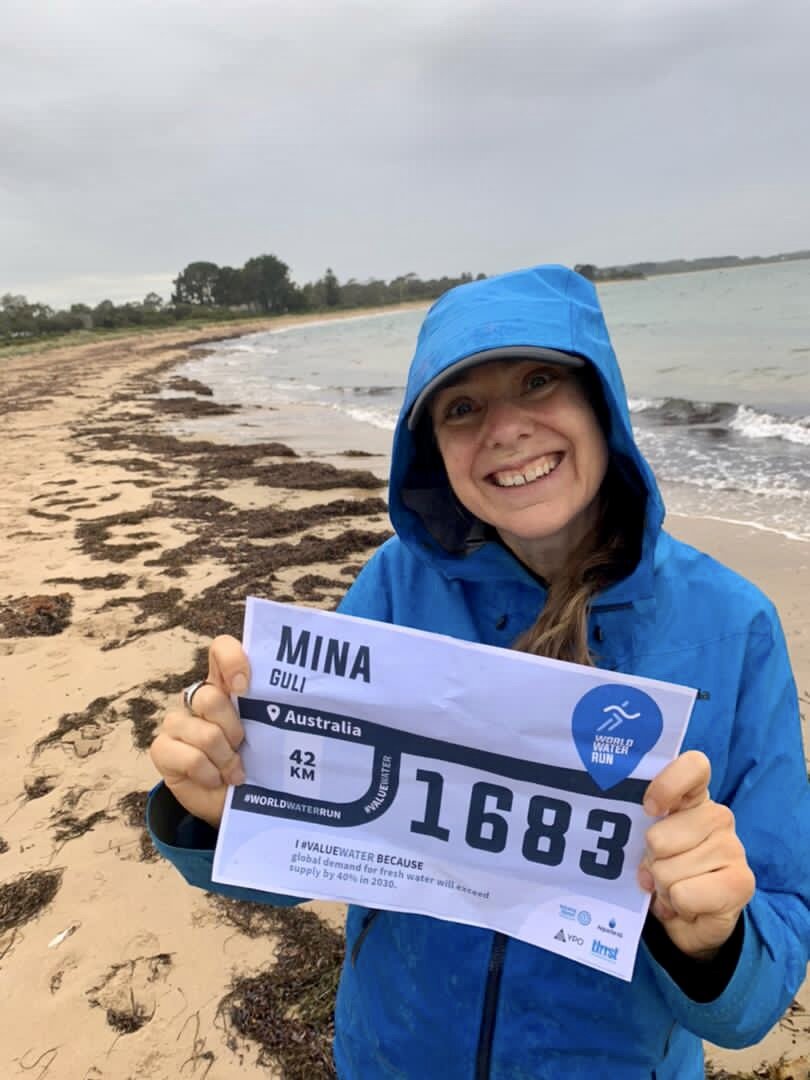
Raising awareness about the importance of rivers, the four-day #WorldRiverRun began on Global Running Day (June 2) and concluded on World Environment Day on Saturday, June 5. Organized by water campaigner and ultra-runner Mina Guli and held in partnership with WWF and with support from Aqua for All, the #WorldRiverRun sought to draw global attention to the lifeblood of our planet -- our rivers.

Kipchoge dedicated his run to the River Kimondi in Nandi County, Kenya where he grew up.

Sandes, who is the first person to win all four races in the 4 Deserts Ultramarathon Series dedicated his run to the Disa River in his native South Africa.

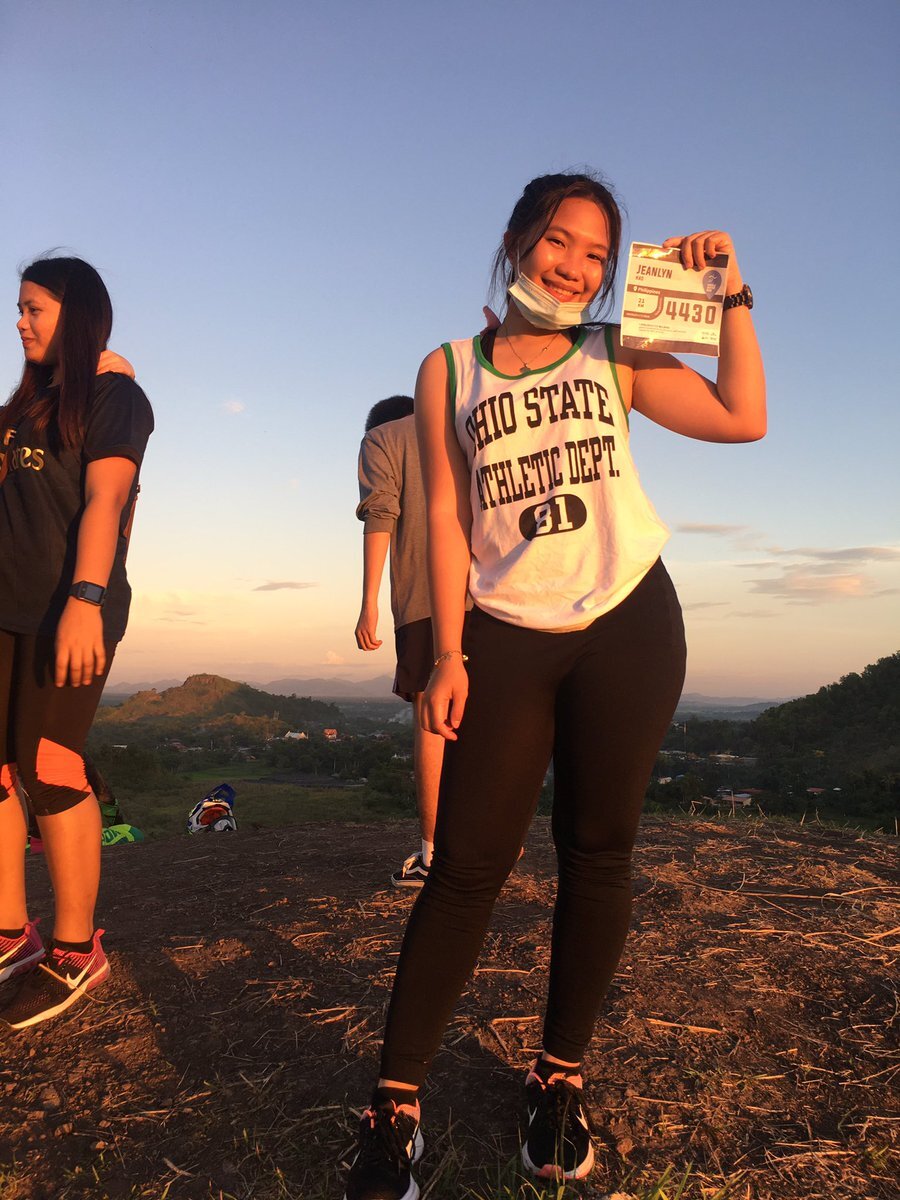
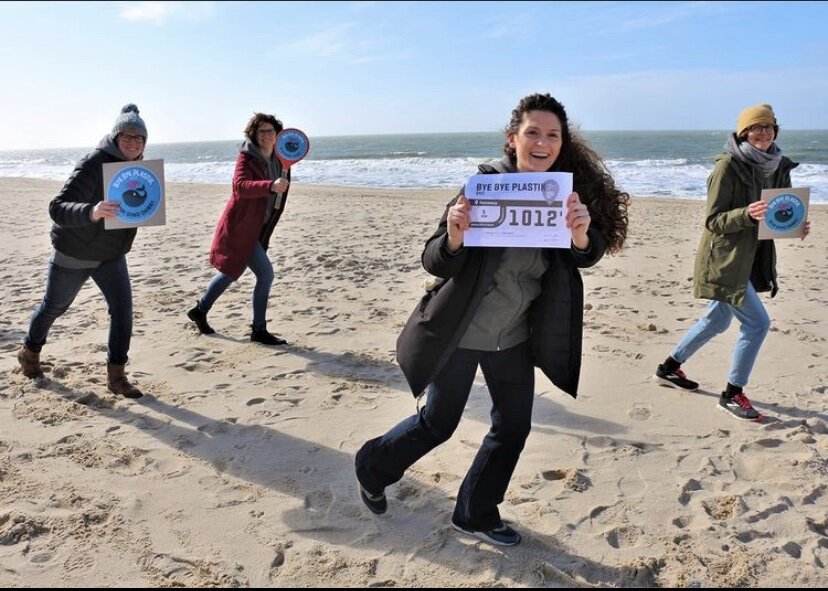
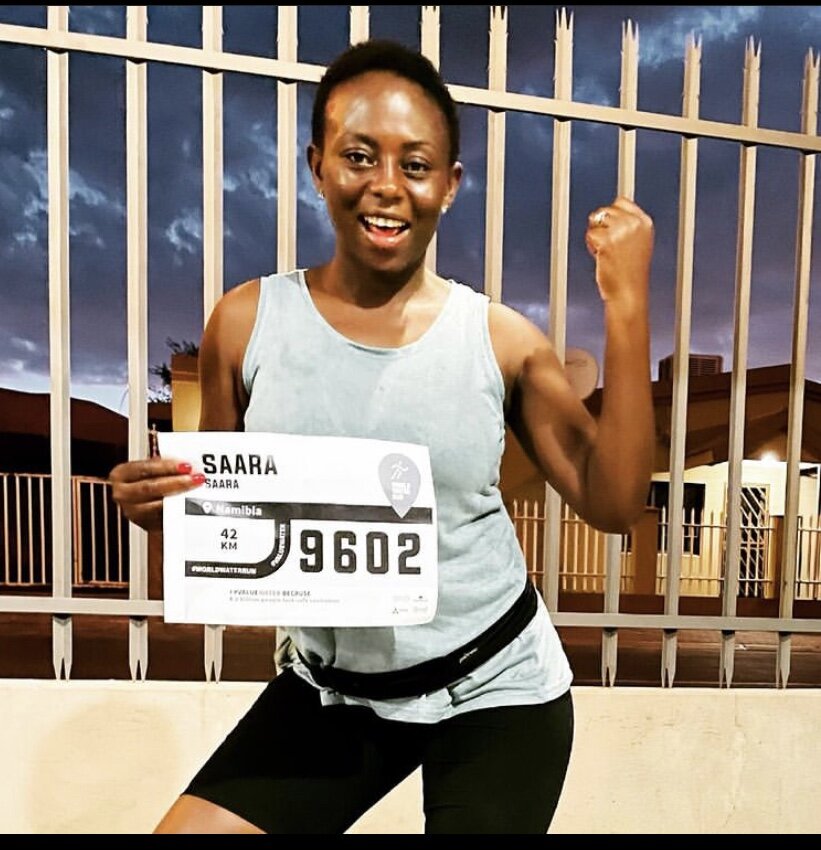
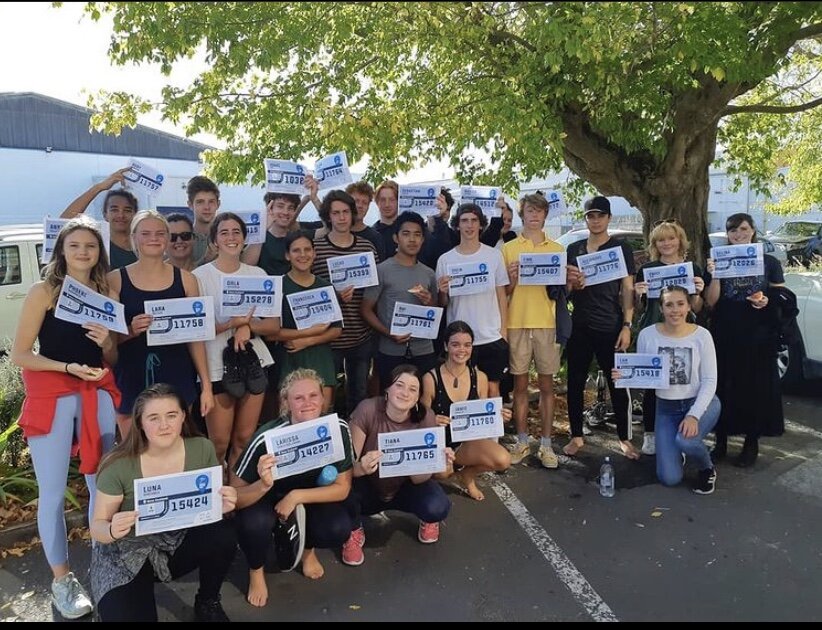
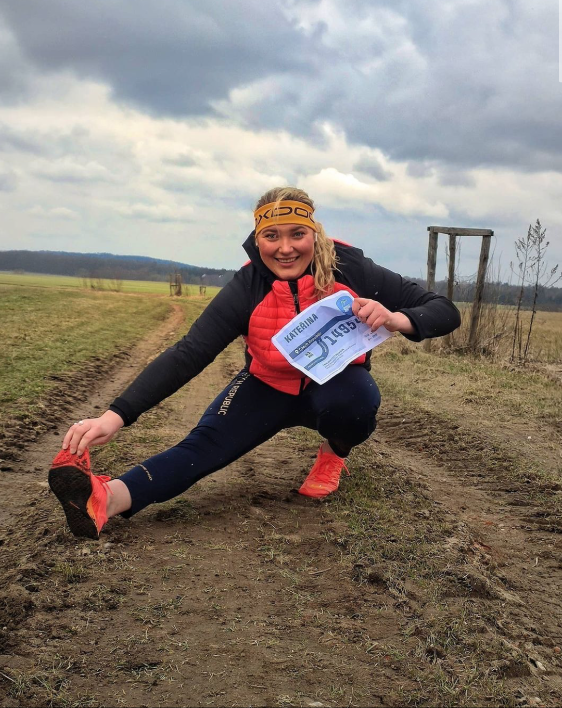
Runners, walkers and water activists from around the world signed up via www.worldriverrun to participate in the #WorldRiverRun and collectively committed to cover a distance of more than 168,000 km. Participants dedicate walks and runs to a river of their choice, running for a river that is always running for them. Participating in the #WorldRiverRun was free of charge with all participants receiving a personalised race bib, certificate of participation as well as a series of emails that educated them about the value of rivers, based on WWF’s Valuing Rivers report.
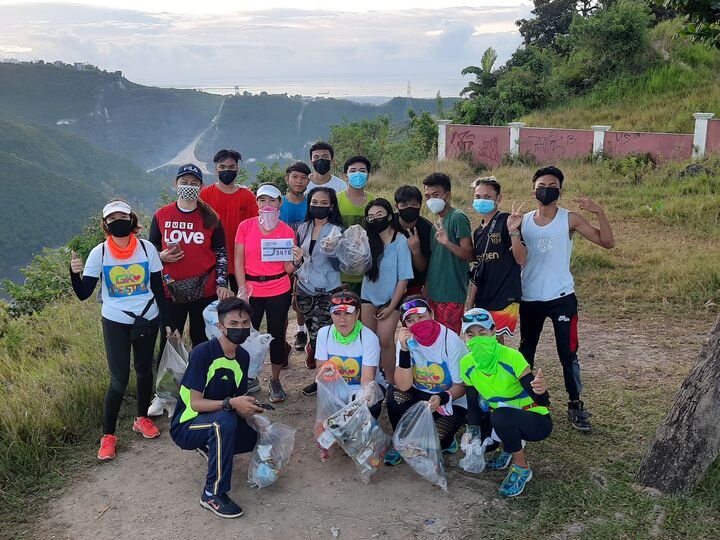
Participants from Bangladesh to Benin and from Argentina to Zambia, dedicated their efforts to rivers as diverse as the Rhine, the Rovuma and the Mekong. Students at a school in the UAE joined forces to show their support for the Indus, while families and friends are show solidarity for rivers they love. Guli, the founder and CEO of Thirst, ran for the Orange River in South Africa’s Richtersveld Desert. It was during Guli’s time in the Richtersveld that she decided to dedicate her life to campaigning for water.
A key aspect of the campaign was the Country Captains programme, which involved coordinating a diverse group of volunteers from around the world. One of the Country Captains, Sohag Mohajan organised an event in his area, District 8 for the #WorldRiverRun. More than 400 supporters joined in, many wearing #WorldRiverRun t-shirts, securing several pieces of media coverage in Bangladesh alone.
Overall the campaign achieved 27.5 million impressions online, with a reach of 6.5 million.
To join future runs for water please follow Mina Guli on Twitter, Instagram, Facebook, or subscribe to updates via her website
#TeamSikhaba: A National Campaign To Reignite Sa’s Fighting Spirit Against Covid-19
How we harnessed the passion of South African soccer fans to fuel a massive national discussion about ways to tackle Covid-19 as a team.

In the throes of a global pandemic, how do you encourage people to protect themselves and their communities in light of growing misinformation and fatigue? Sikhaba iCovid-19, a national radio show in partnership with the Department of Health and SABC Radio, collaborated with medical experts, community leaders, and influencers to remind South Africans: ‘this is not the time to give up’. In just 3 days, we activated thousands of voices, reached over 16 million people and trended nationally on Twitter.
Nothing brings South Africans together like sports
In July 2020, just as South Africa was emerging out of its first peak of Covid-19 infections, we were tasked with creating a social campaign to rally the nation, and bring a fresh perspective on the familiar Covid-19 messaging. Our idea: Beating Covid-19 is a team sport.
Sikhaba means “we kick” and that’s what we were asking people to do: share ways to kick Covid-19 out of our lives and communities, together. Harnessing the unifying power of sports fandoms, and the love of soccer in particular, our idea was to get South African soccer players to share their tips and encourage fans to join #TeamSikhaba.
We had limited time and budget to land this crucial message, so we decided to focus our energies on a single day, July 30th, for the Derby of the Year: SA vs Covid-19.
Accessibility, relatability and inclusion were key components of this campaign. If we were to get South Africans to work together to help themselves and others through the pandemic, our stakeholders, content and delivery had to harness people’s passion for soccer, highlight the joint struggle COVID-19 presented, and be truly representative of the nation’s diversity. One of the biggest challenges was translating content into all of South Africa’s 11 official languages.
Attack and Defence
We defined two main ways people could better equip themselves in the fight against the virus: Attack and Defence. Defence involves taking care of yourself - social distancing, hand-washing, the proper use of masks and how to get help if you’re down. Attack is about taking care of others - sharing your status, staying home if you have any symptoms, tackling stigma, and learning how to safely help those in need.
We worked with experts to create shareable content including text posts in all the official languages, memes, graphicsandimages. These posts were to be sent directly to soccer players, fans, and broadcasters with a request that they add their voice to the activation.
Bringing the Team Together

The first challenge we faced was closed doors. Soccer players are in high demand, and we didn’t have budget to pay for their involvement. Our solution was to get in touch with the South African Football Association directly, and offer the platform for their Under-21 Women’s Team - the future of SA football.
Our plan aligned with SAFA’s vision, and they came on-board. This was a breakthrough partnership for the campaign. Videos were created with Kananelo Taiwe, Jessica Wade, and Shakira O’Malley
And soon they were joined by Bafana Bafana stars Kermit Erasmus and Thamsanqa Mkhize. We had a squad, and we were on our way!
#TeamSikhaba gets a Coach
Anyone who knows anything about South African soccer knows about legendary broadcaster Robert Marawa. Respected, insightful and with a following of over 1m people on Twitter and Facebook, he was the ideal coach for #TeamSikhaba. We contacted him to outline the Sikhaba iCovid-19 concept and explain the immense value his voice would add to the cause. He agreed to give “a locker-room talk” - half-time pep talk for a national team that’s 1-0 down to Covid-19 and needing to make a comeback. He would shoot a video for the campaign and post it mid-morning, just as the conversation was spreading into public awareness.
Activating the Fans
Using our sharepack full of official Sikhaba content - text posts in all the official languages, memes, graphics and images - an incredibly diverse group of people including sports stars, medical experts, academics, researchers, civil society leaders, and citizens joined us on social media using the hashtag #TeamSikhaba.
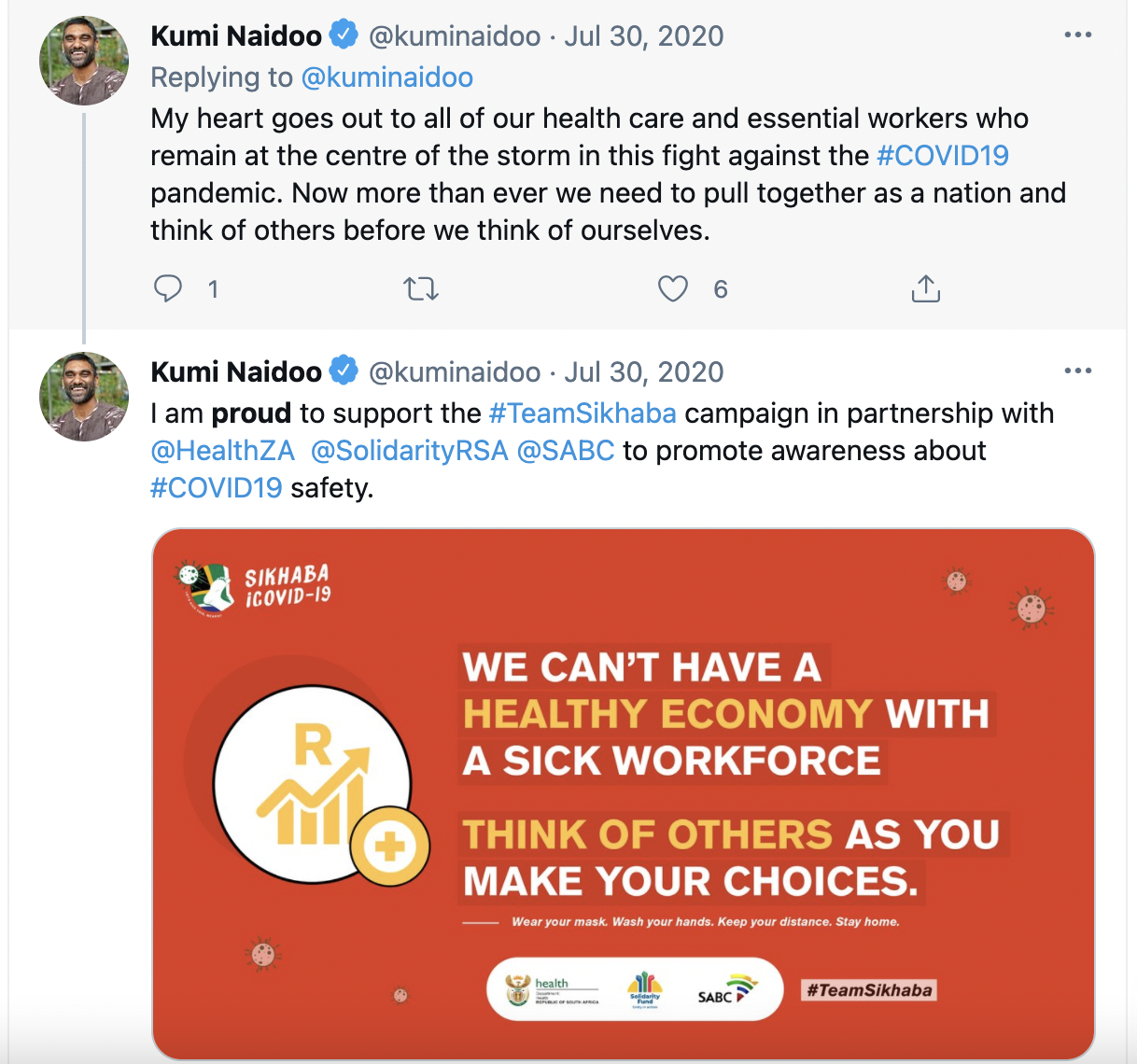
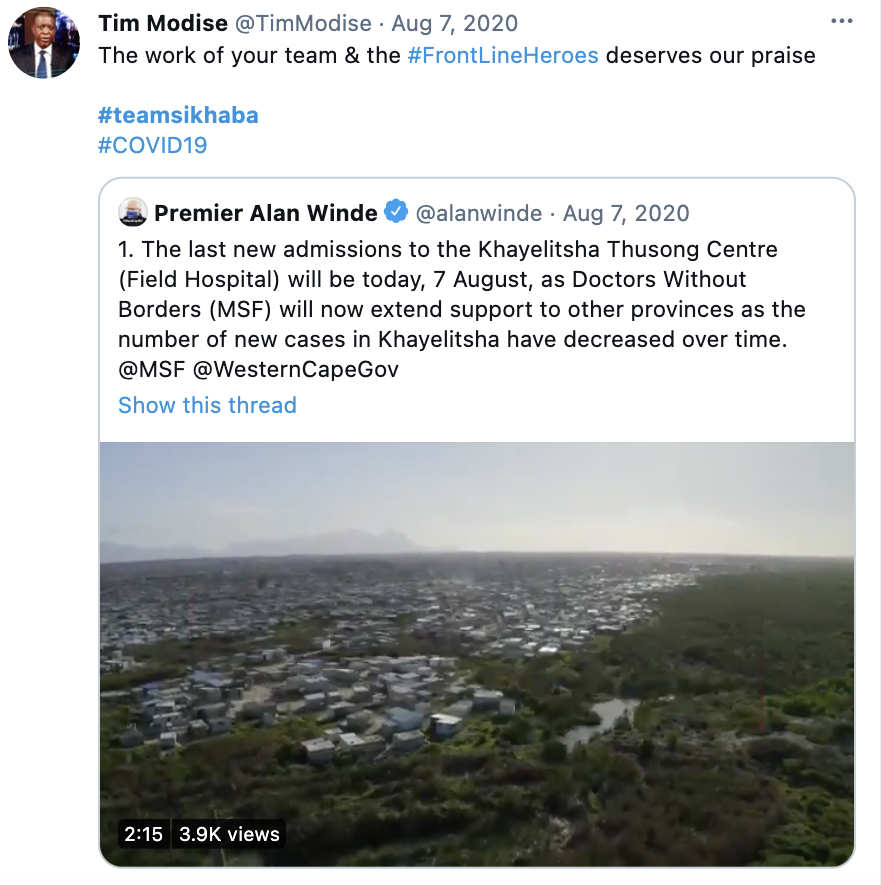
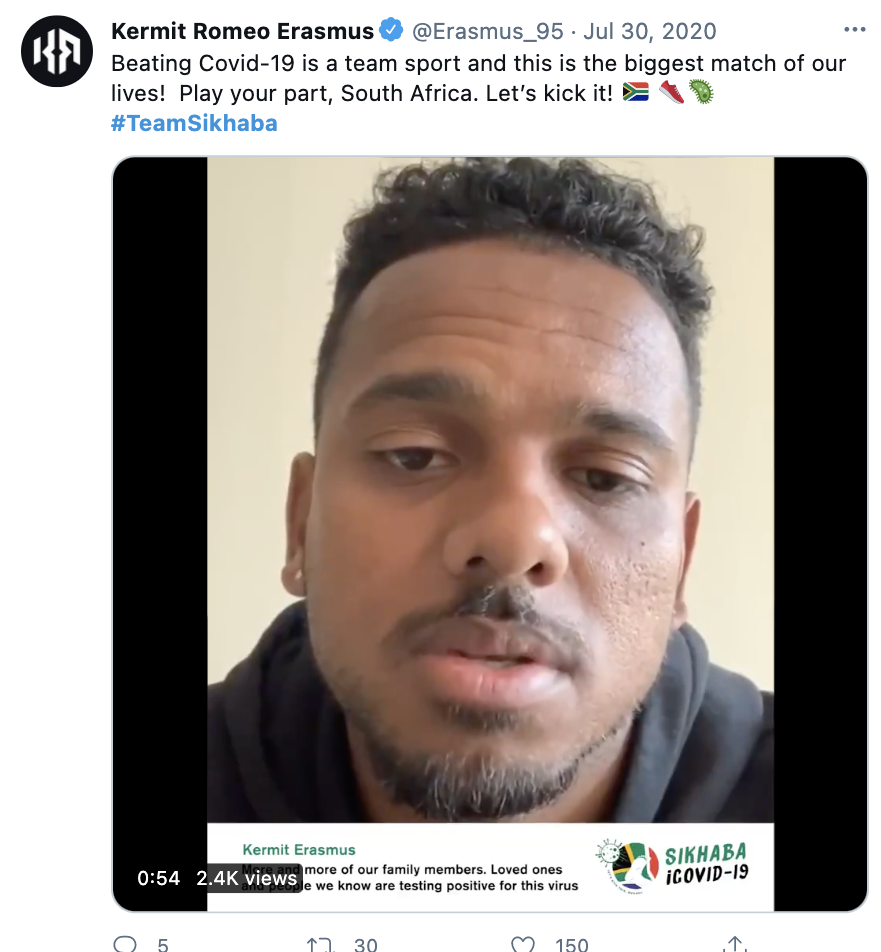
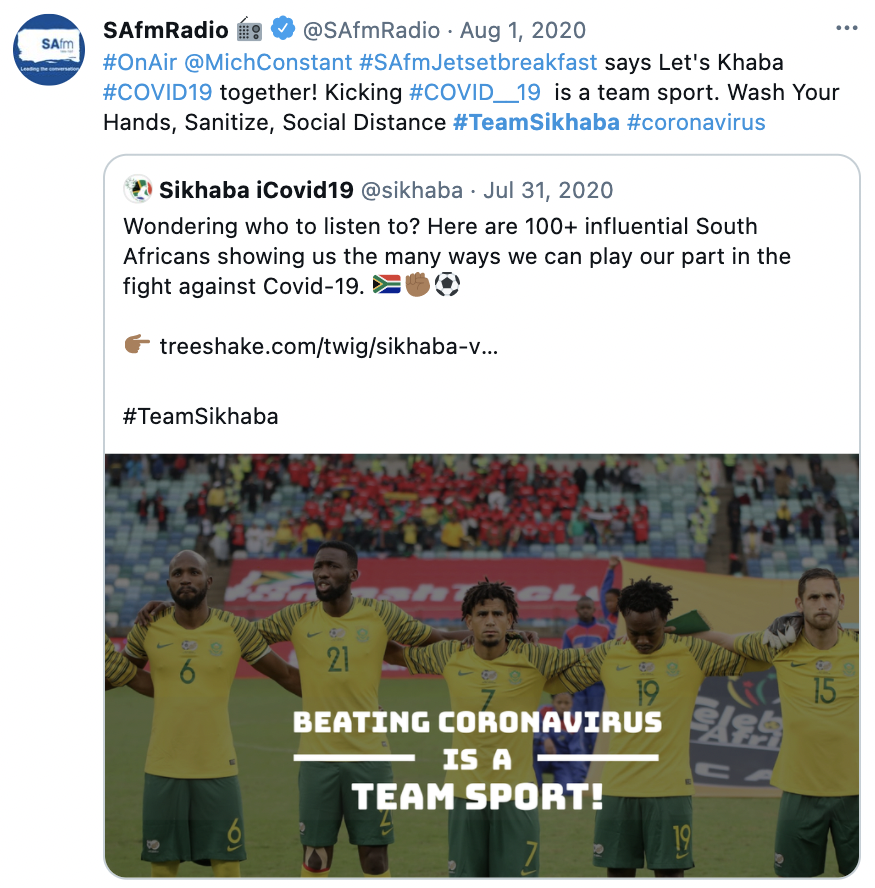
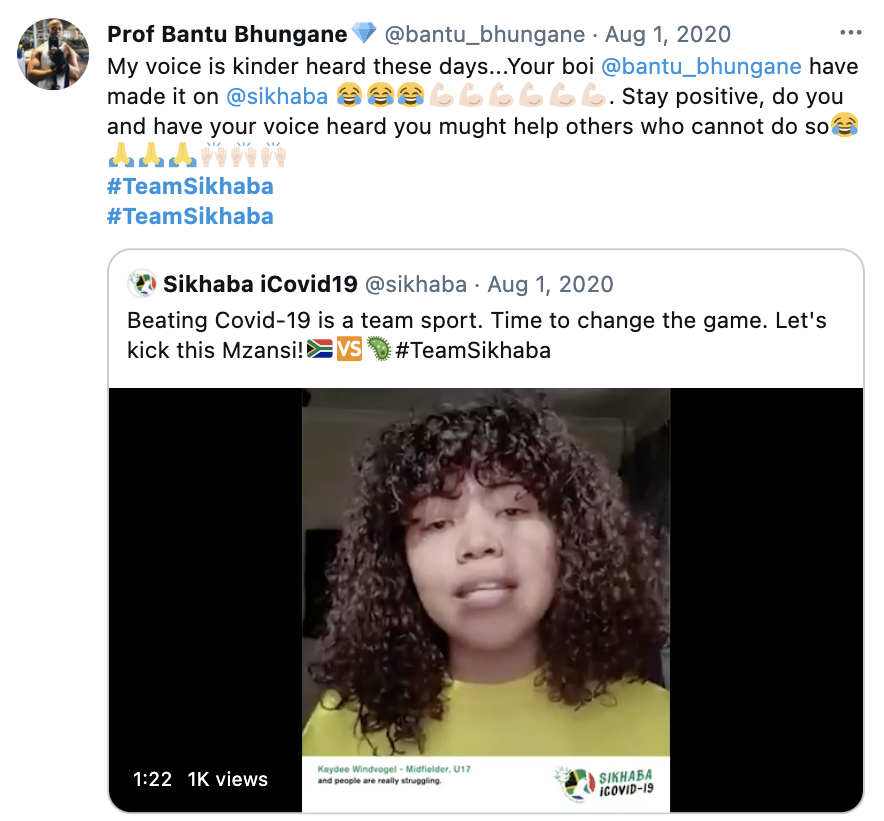
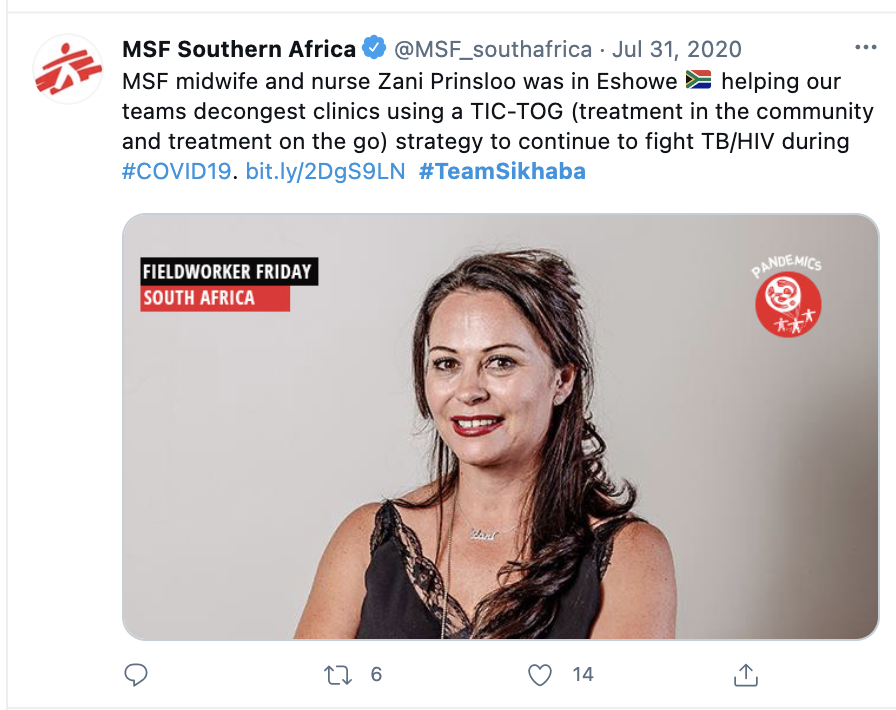
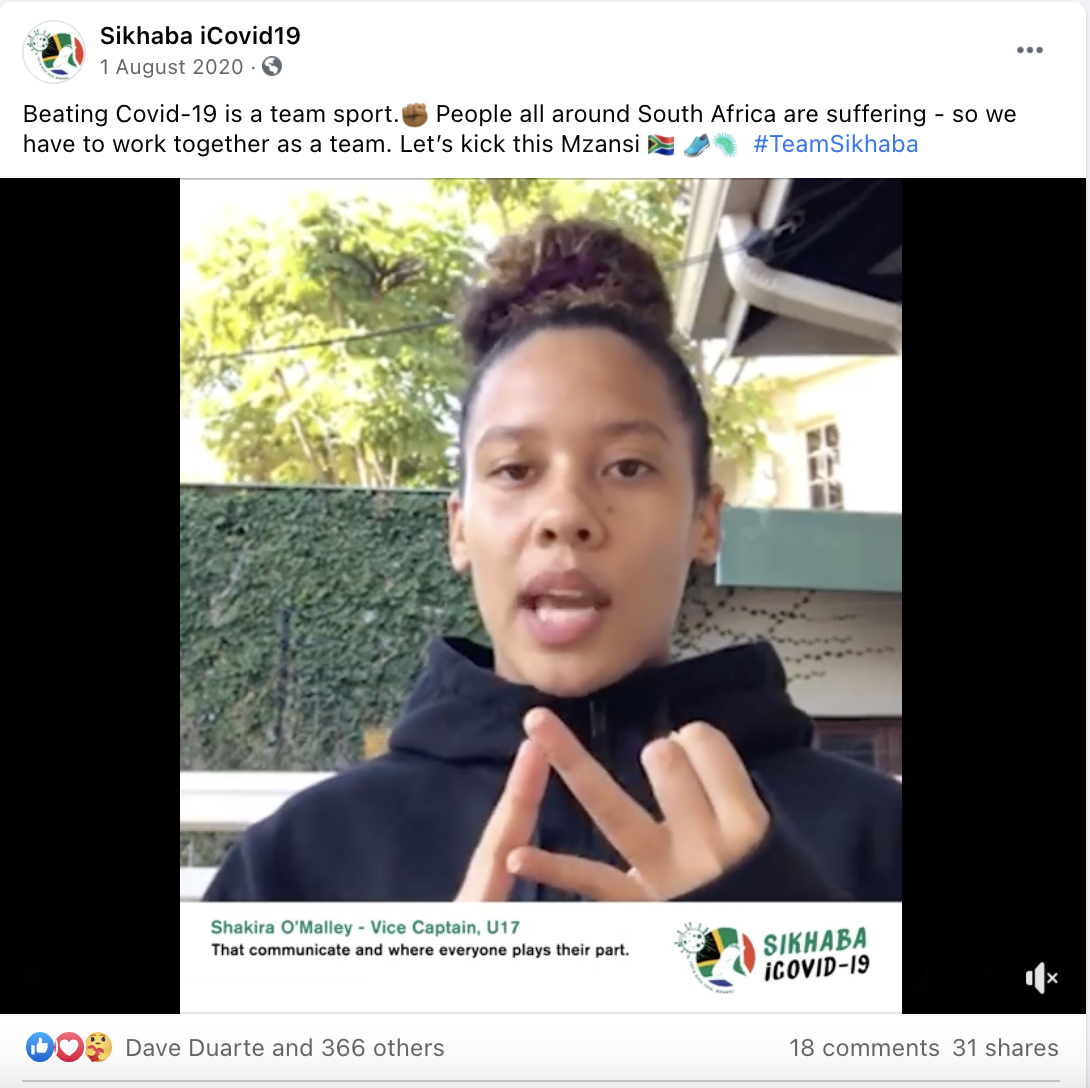
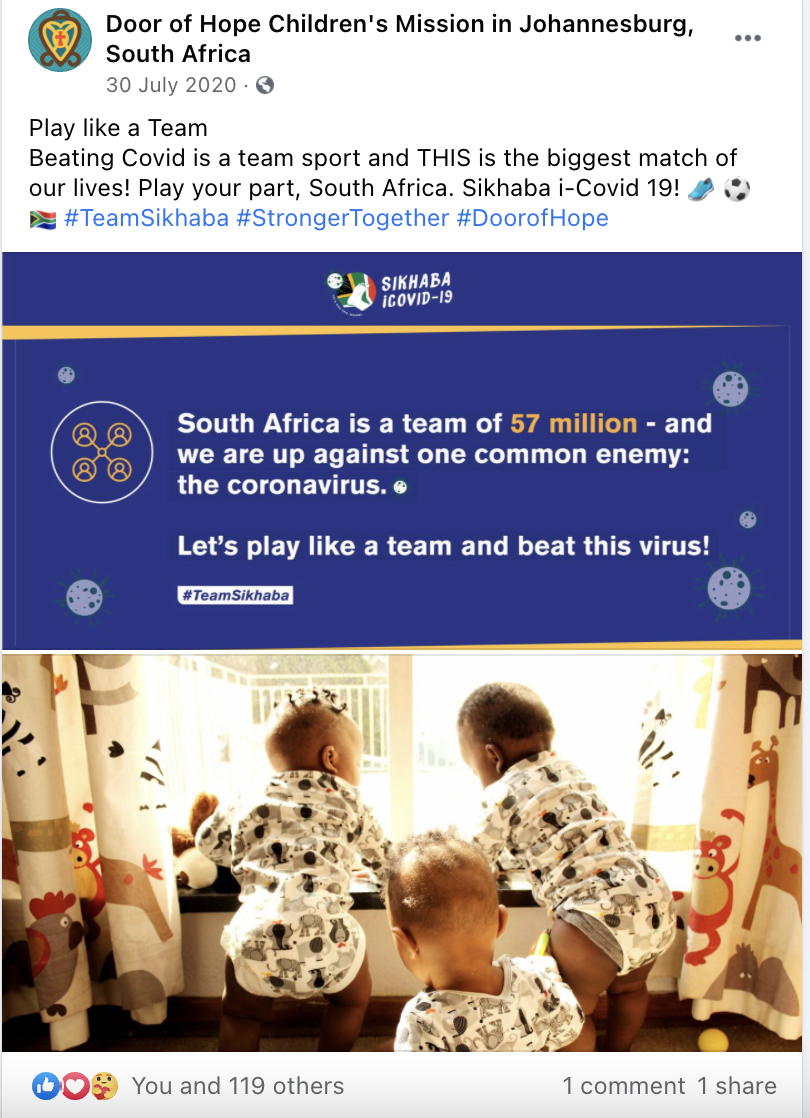
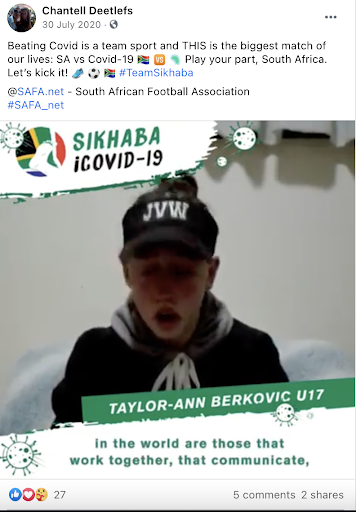
Our ask was clear: celebrate, leverage and steer. Celebrate the work of other individuals and organisations in your sector, and encourage them to join #TeamSikhaba. Leverage your organisational and personal social platforms to amplify strategies we can use to beat COVID-19. Steer the conversation towards beating COVID-19 as a team sport in your sector by highlighting your COVID-related efforts.
When Marawa’s video dropped, comments flooded in as more and more people became aware of what #TeamSikhaba was and who was supporting it. Initially, Marawa planned on just releasing the video, but seeing the massive response it garnered, he continued posting and responding to comments throughout the campaign. Partnering with a soccer legend of Marawa’s calibre added massive hype to #TeamSikhaba and helped get the hashtag trending.
Results
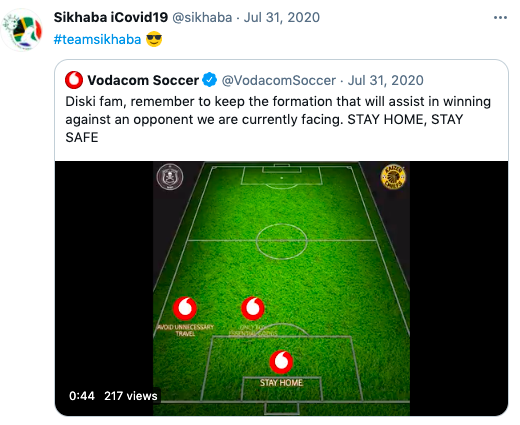
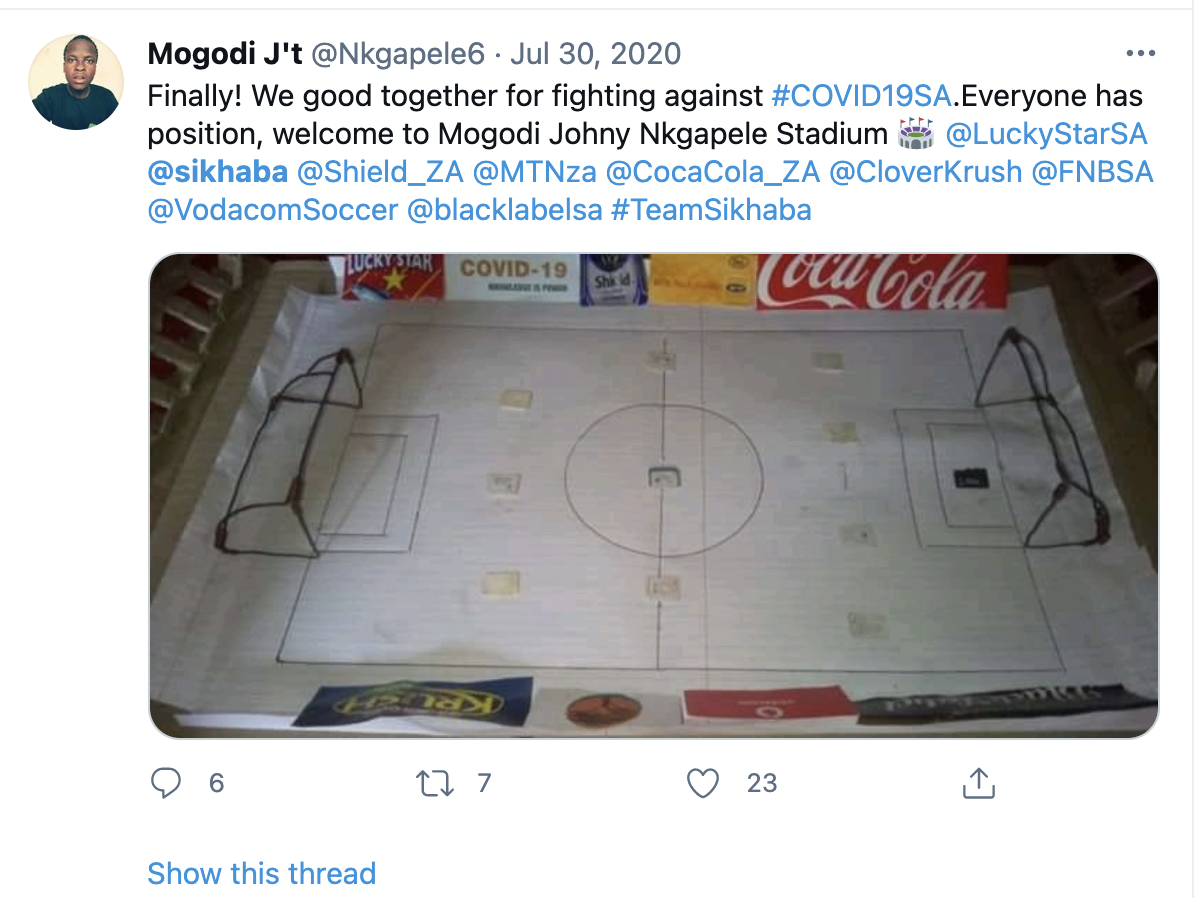
Through channeling people's passion for soccer and tapping into existing conversations, Sikhaba i-Covid19 and Treeshake were able to bring people together.
Over the course of the 3 days, 15.4 million people were reached on Twitter, 740,000 people on Facebook, with more than 45,000 people having interacted with the content across all platforms and 3,000 people having joined us in creating original posts in support of the campaign.
A major highlight was trending on Twitter nationally. This was especially exciting as Sikhaba was a brand new account with less than 10 followers at the start of the campaign.
The community spirit of the #TeamSikhaba was phenomenal. In just 3 days, thousands of people rallied together to fight COVID-19 in solidarity with one another. With the rapid growth of this community and the key voices that pulled through, we helped people feel less alone and scared. Widows, celebrities with COVID-19 and frontline workers reminded people that we are all in this together — the virus does not discriminate and neither should we. Battling an overall sense of fatigue around COVID-19 communications, the community came out stronger - inspired, hopeful and with renewed energy.

The #WorldWaterRun 2021: Rallying a Global Community Together for Water
This is how we got thousands of people from 132 countries to rally together for the sake of water. And while doing so, ran the circumference of the world eight times.

Working with long-time client, Mina Guli, we were tasked with sharing the idea that when done collectively, incremental steps matter. #WorldWaterRun aimed to rally runners across the world in the name of water, with the ultimate goal of running the circumference of the world. We did that. Eight times over. How? We learned when you foster communities, they show up for you. More below.
Water. We can’t live without it, yet we treat it as if it’s an infinite resource.
When we fill our cups with clean drinking water that flows freely from our faucets, how often do we consider those who have to commute for hours just to get that first sip? We seldom think of the policies, infrastructure and freshwater systems that make that one drop possible.
Next time you take a sip of water from your filled-to-the-brim glass, or take a warm shower after a long day, take a moment to think of those that don’t have that luxury.
It was from this awareness of water scarcity that #WorldWaterRun was born.
Thousands of people - runners, walkers, joggers, and hikers - completed the distance of the world’s circumference eight times. That’s 335,657 KM for one common cause. This feat was made possible through months of careful and sincere community management, as well as content creation that added true value to Mina’s audience. With a strong foundation, we mobilised a mammoth community to take part in World Water Run and make it their own.
Our Global Community of Water Warriors
Individuals
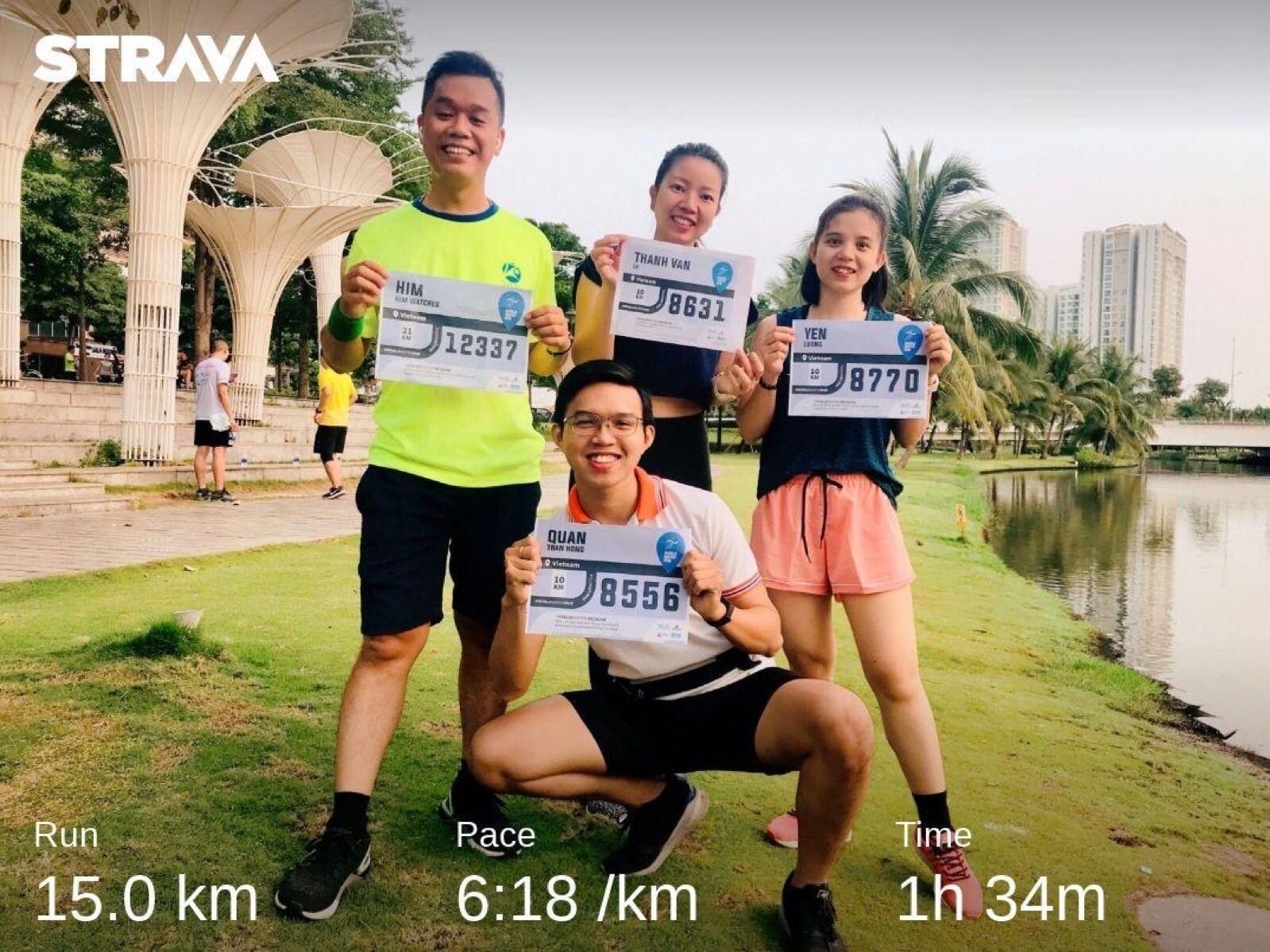
Fostering an inclusive community means celebrating people’s individual merits, whilst also allowing them to feel part of something bigger than themselves. Let’s take a closer look at our water warriors:
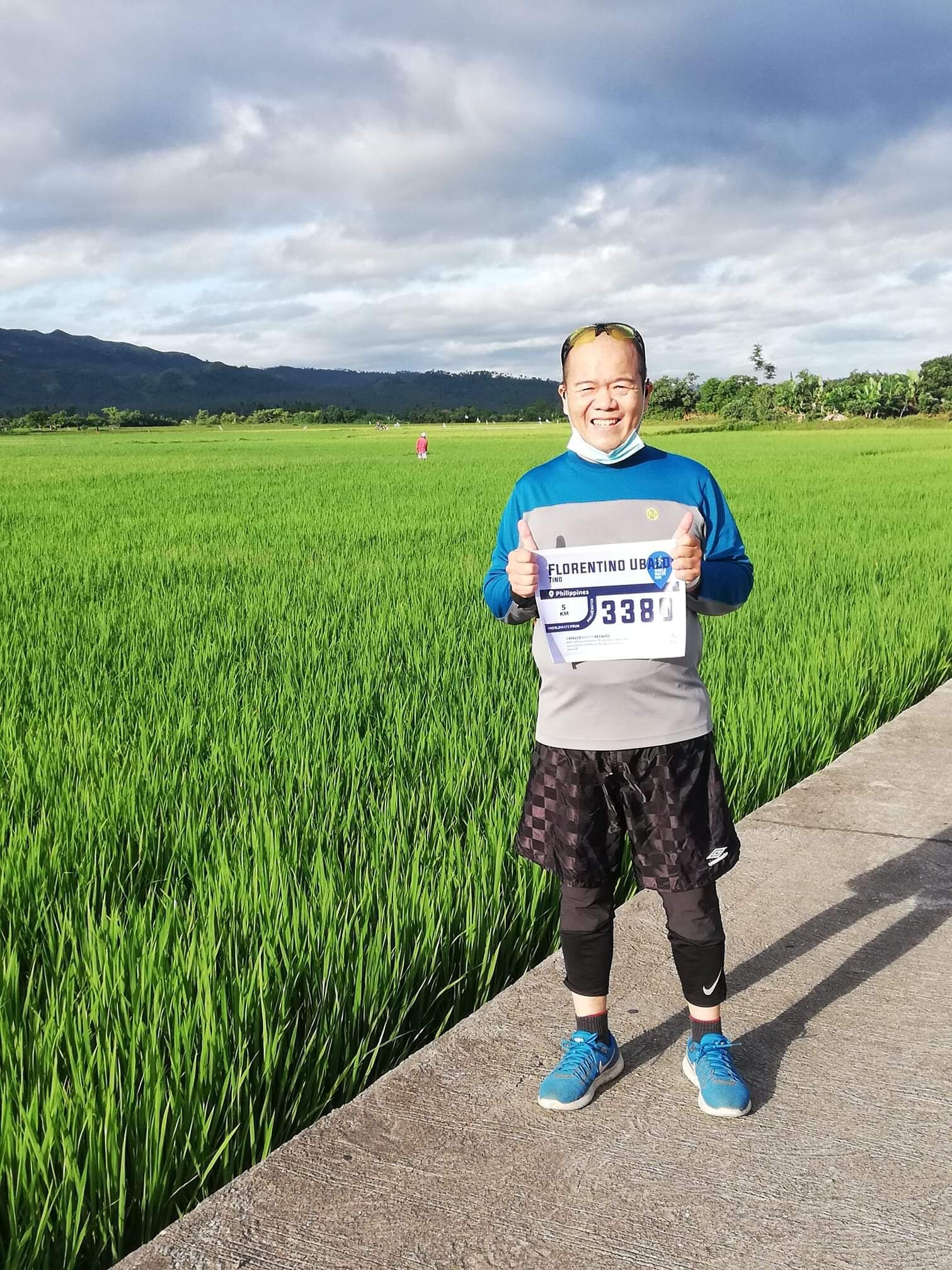
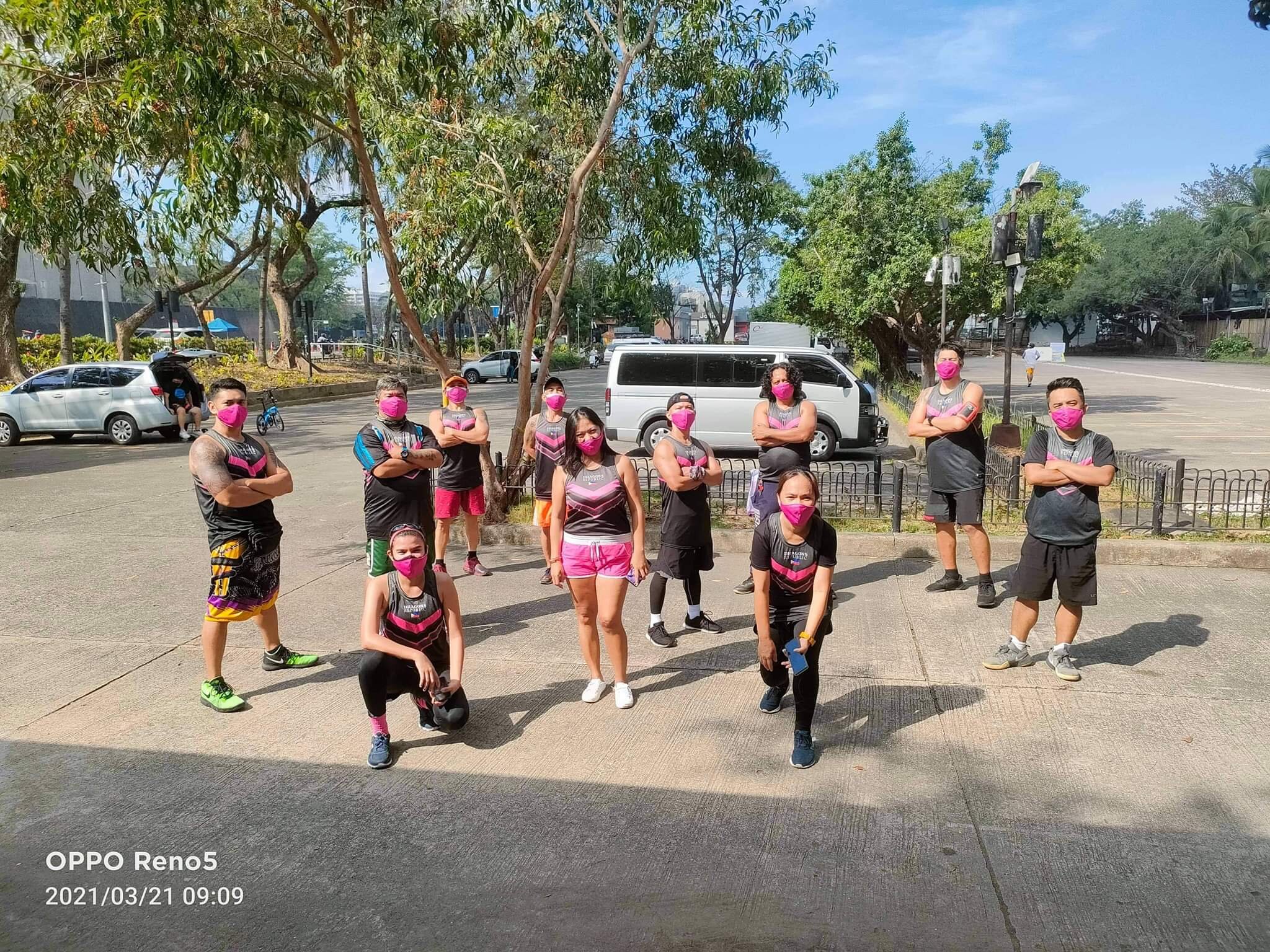
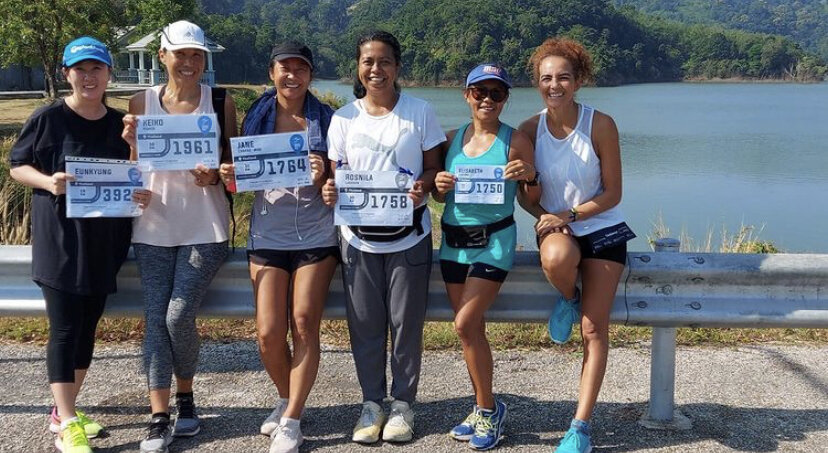
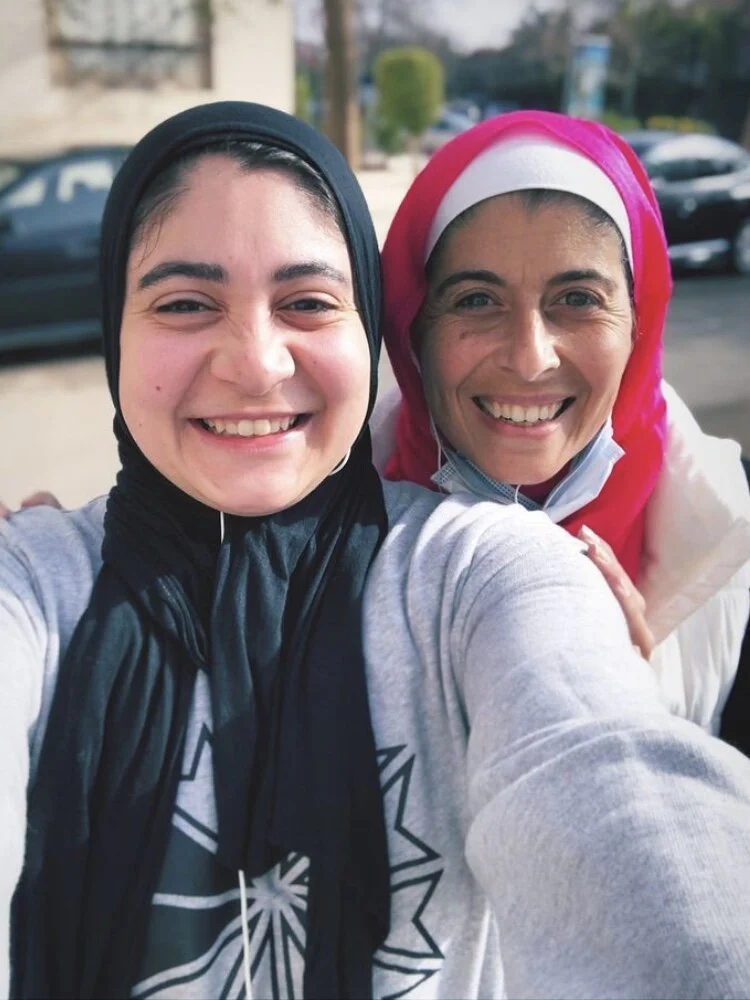
There were representatives from a whopping 132 countries, ranging from South Sudan to the Vatican City.
We had runners and walkers as young as four and as old as eighty.
There were participants who did 5km over seven days, and those who did 100km.
A number of runners took part in World Water Run despite injury, disability, or illness. Billie Milholland from Canada crept into our team’s heart when she posted about her daily walks, bringing new meaning to the phrase, ‘slow and steady wins the race.’ Billie reached her target of 500m, then 1.5 km, and eventually 6km on World Water Day. And she did it with the best accessory - her trusted walker!
Everyone’s efforts were applauded with aplomb through round-the-clock community management, ready with praise, encouragement, and any questions people may have had about the event.
Three people were assigned to the (rapidly growing) community of 283,238 individuals, overseen by two campaign managers. Along with an in-house tech wizard and a custom-built onboarding Facebook bot, our team was there to ensure the community felt seen, and that joining World Water Run was as easy as possible.
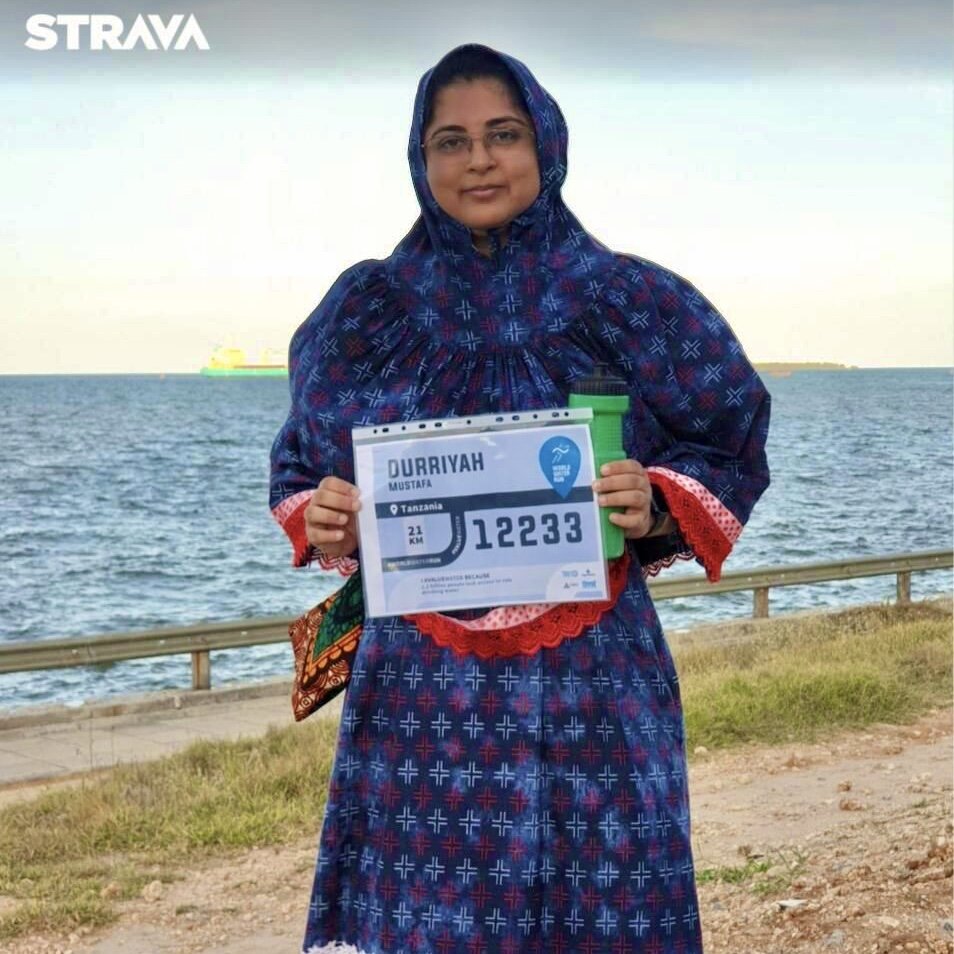
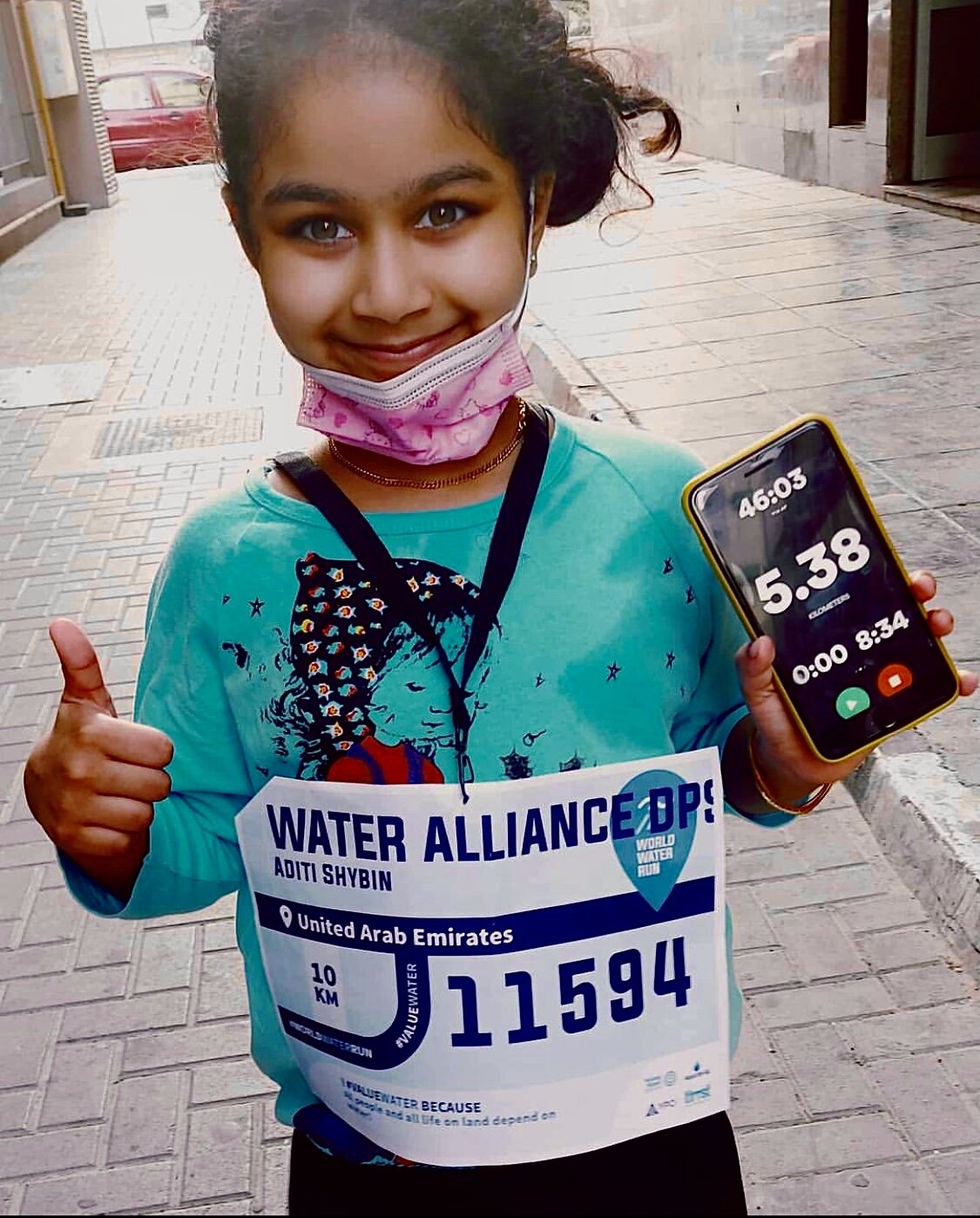
Partners
Over the past year, we’ve been doing micro-community management with brands and accounts who matter, like UN-Water and WWF. These conversations have resulted in collaborations, invaluable support and partnerships.
We are especially grateful to our partners, Aqua for All, YPO and The Valuing Water Initiative, for collaborating with the Thirst Foundation on this campaign.
Our volunteers
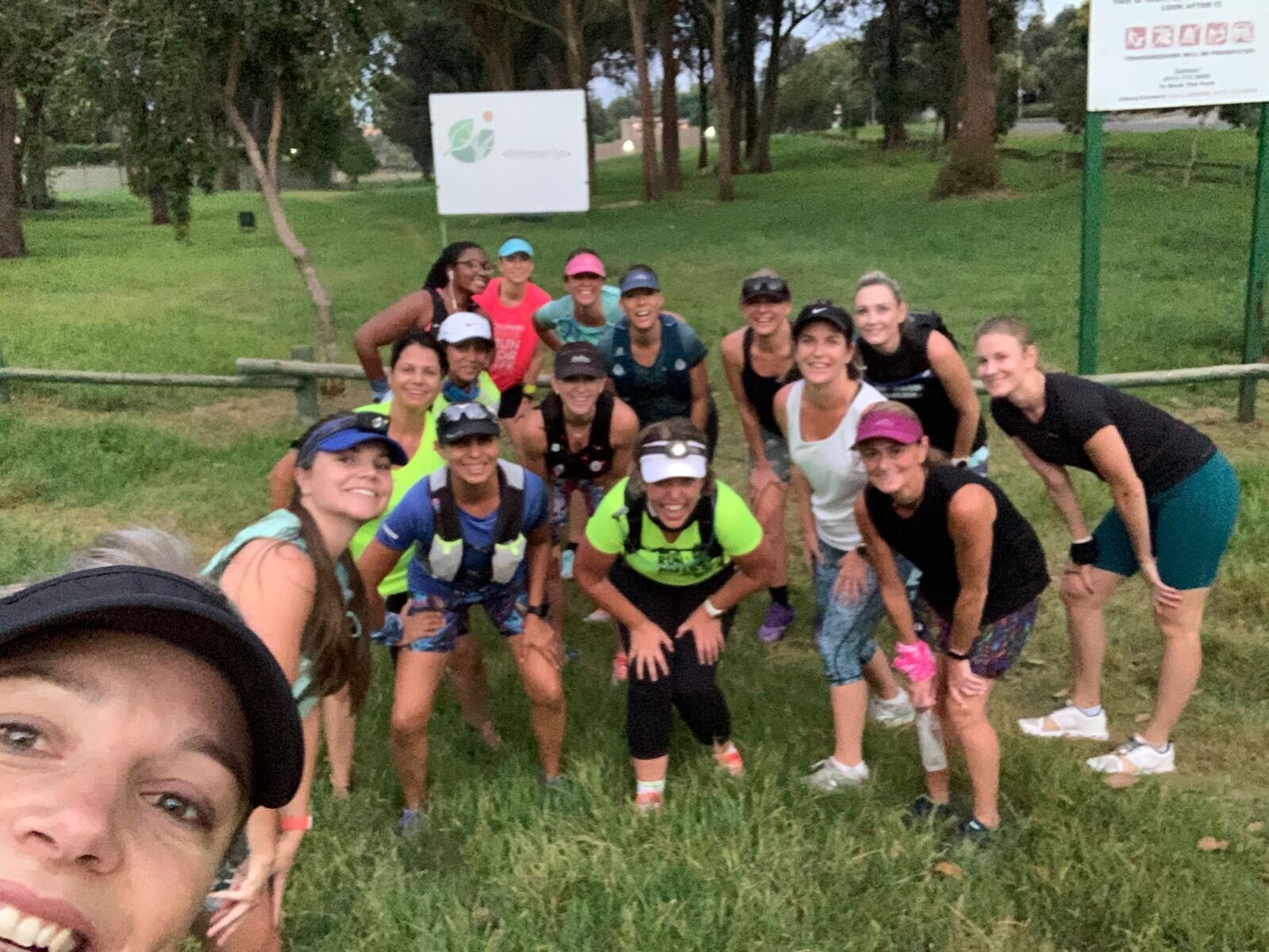
For this campaign, we elected 18 Country Captains from across the world. For countries with a larger sign-up total, like the Philippines, South Africa, and India, we selected two Country Captains.
The following Countries were represented in our Country Captains group:
Seychelles | India | Tanzania | Philippines | South Africa | Uganda | Cameroon | Kenya | Zambia | United Arab Emirates | Namibia | Indonesia
We also had a Country Captain group on Facebook, where we gave the Country Captains priority access to information and exclusive videos from Mina. They also all received a thank you gift following the campaign.
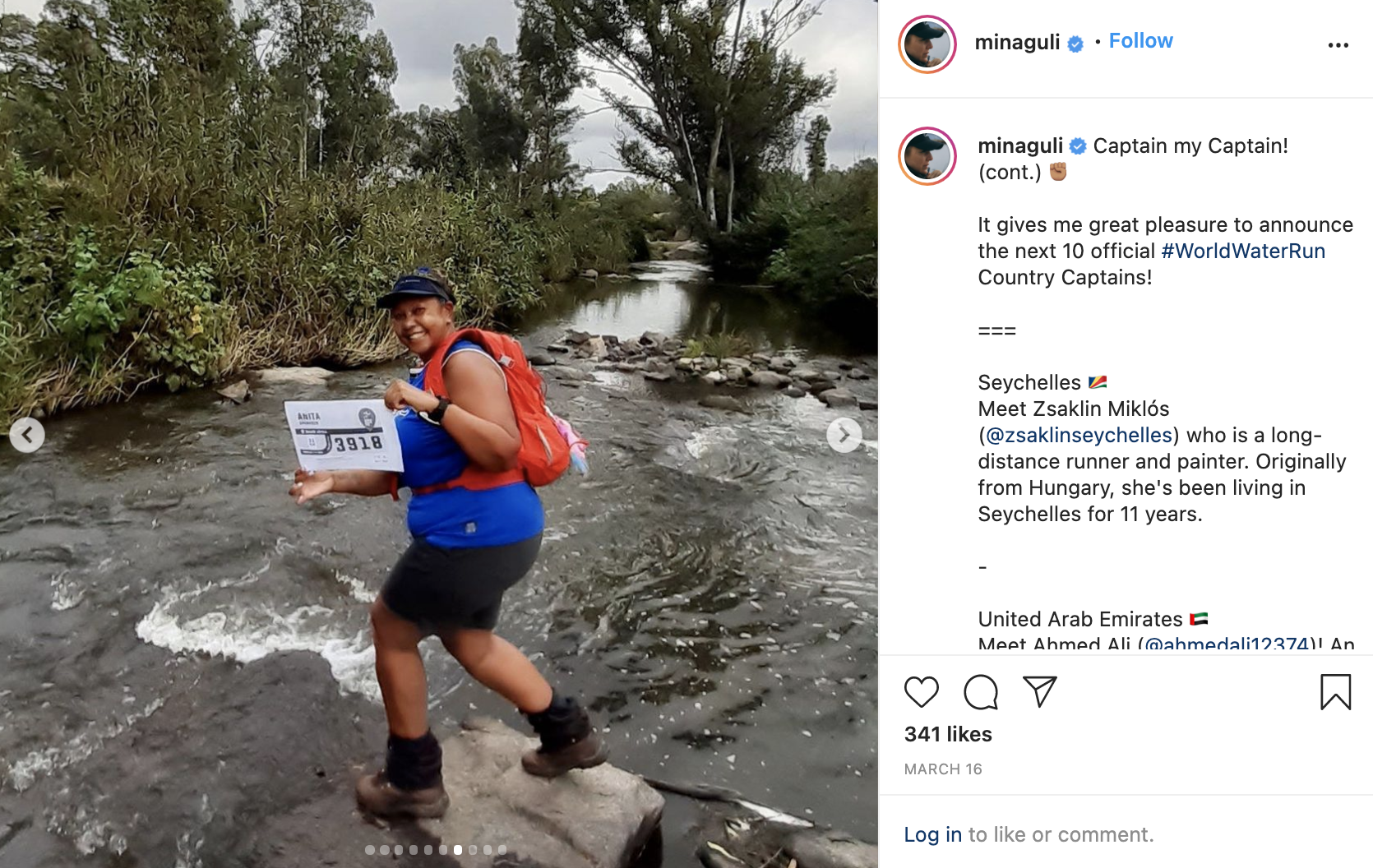
One of our Country Captains, Anita Arendsen from South Africa
Smashing limits
Collectively, we reached and exceeded every goal for the campaign. We had a distance target of 40,075 km, but finished with 335,657 km. We aimed for 50 million impressions, but ended up garnering 294 million. We also grew our newsletter audience to 11,780, which was an increase of 8,514 sign-ups. Overall, we reached a global community of around 283,238 dedicated water warriors!
This is the power of long-term engagement and community building. The success of #WorldWaterRun shows what’s possible when you meaningfully engage with your audience. It speaks volumes for the evocative goal of raising awareness around water scarcity, and how the marriage of message and community can, quite literally, go around the world.
To stay up to date with future campaigns, keep an eye on Mina Guli’s website and social media platforms.
Website | www.minaguli.com
Facebook | https://www.facebook.com/MinaGuliWater
Twitter | https://twitter.com/minaguli/
Instagram | https://www.instagram.com/minaguli/
How Softie’s Supporters Powered Breakthrough Cinema Attendance Amidst a Pandemic
Documentaries aren’t typically known to pack out cinemas. And yet, in the midst of a pandemic, Softie became perhaps the most watched Kenyan film ever.

Documentaries aren’t typically known to pack out cinemas. And yet, in the midst of a pandemic, @SoftieTheFilm became perhaps the most watched Kenyan film ever.
In 2020, we helped launch Softie, a Kenyan political documentary that shook our team to its core. We watched, we grimaced, we laughed, we cried, we were inspired. We knew the world had to watch #SoftieTheFilm.
It all began in January 2020 during Softie’s world premiere at Sundance Film Festival. In just a few weeks, we’d reached millions of people, gained thousands of followers and felt immense pride when Softie won the prestigious Special Jury Award for Editing - a first for East Africa!
8 months later and we were thrilled to come on board for Softie’s Kenyan cinematic debut in October 2020. We couldn’t wait to share this vital piece of work to the world.
There was just one hitch. COVID-19.
Softie Comes Home
`Softie’s in-house team had been posting about Softie for months, and a small group of documentary lovers and politically engaged supporters were amped and asking when it was coming to Kenya, having heard about its international acclaim.
At last, in mid-September 2020, it was time to launch Softie’s trailer. We seeded it to dozens of influential voices in the Kenyan social media ecosystem, and to our super-fan WhatsApp group. And it took off! The trailer organically garnered over 42.5K views on Twitter alone. With a base of around 2000 followers at the time, this was impressive, to say the least.
The people of Kenya were ready for #SoftieTheFilm. Finally, a film that spoke truth to power and so pertinently depicted their country’s political breakdown.
Massive Response
Authentic community management has always been a core facet of our methodology. Ensuring each comment is acknowledged thoughtfully and building a true sense of community has been vital to the success of previous campaigns.
We know this approach drives up engagement, but nothing could prepare us for the tidal wave of engagement that Softie’s cinema launch amassed. We soon realised that responding to this amount of people was far too much for one person. We brought on three more team members to manage the floods of online support and divided the week into shifts that lasted until 9pm. This helped us achieve a near unbeatable response time.
The work was well worth it. Engagement built momentum and fuelled a media frenzy.
Breaking Records in Cinema Attendance
Lockdown was in full force across Kenya when the one week cinema run was scheduled. This meant cinemas had to operate with fewer staff and host smaller audiences. Our job was clear: we needed to assure audiences that their safety would be top priority during screenings, but also encourage people to attend.
We enlisted local Kenyan fashion designer, David Avido to create custom Ankara Softie masks for the cast and crew to wear to the events. Stylish? Check. Literally in Vogue? Also check.

Boniface and Njeri with their custom Softie masks from David Avido
We also saw the power of championing our physical audience in the online space - making them feel seen, appreciated and part of the Softie community.
We asked people to share their cinema photos, posing with a fist raised in front of the epochal Softie poster. We responded to every one of them and posted many to Softie’s channels. Our South African team also learnt basic Swahili in order to respond to Kenyan comments with understanding, care, and delight.
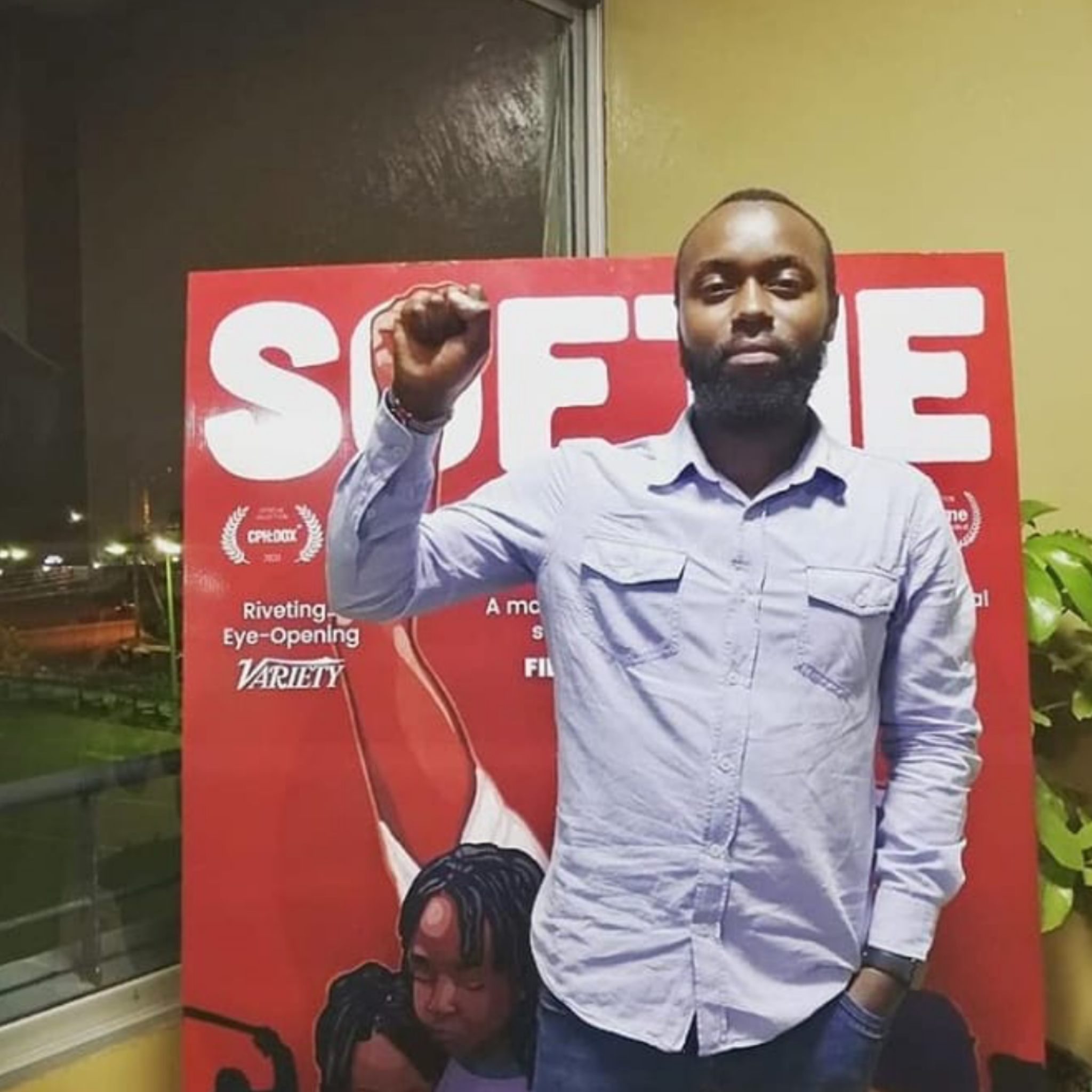
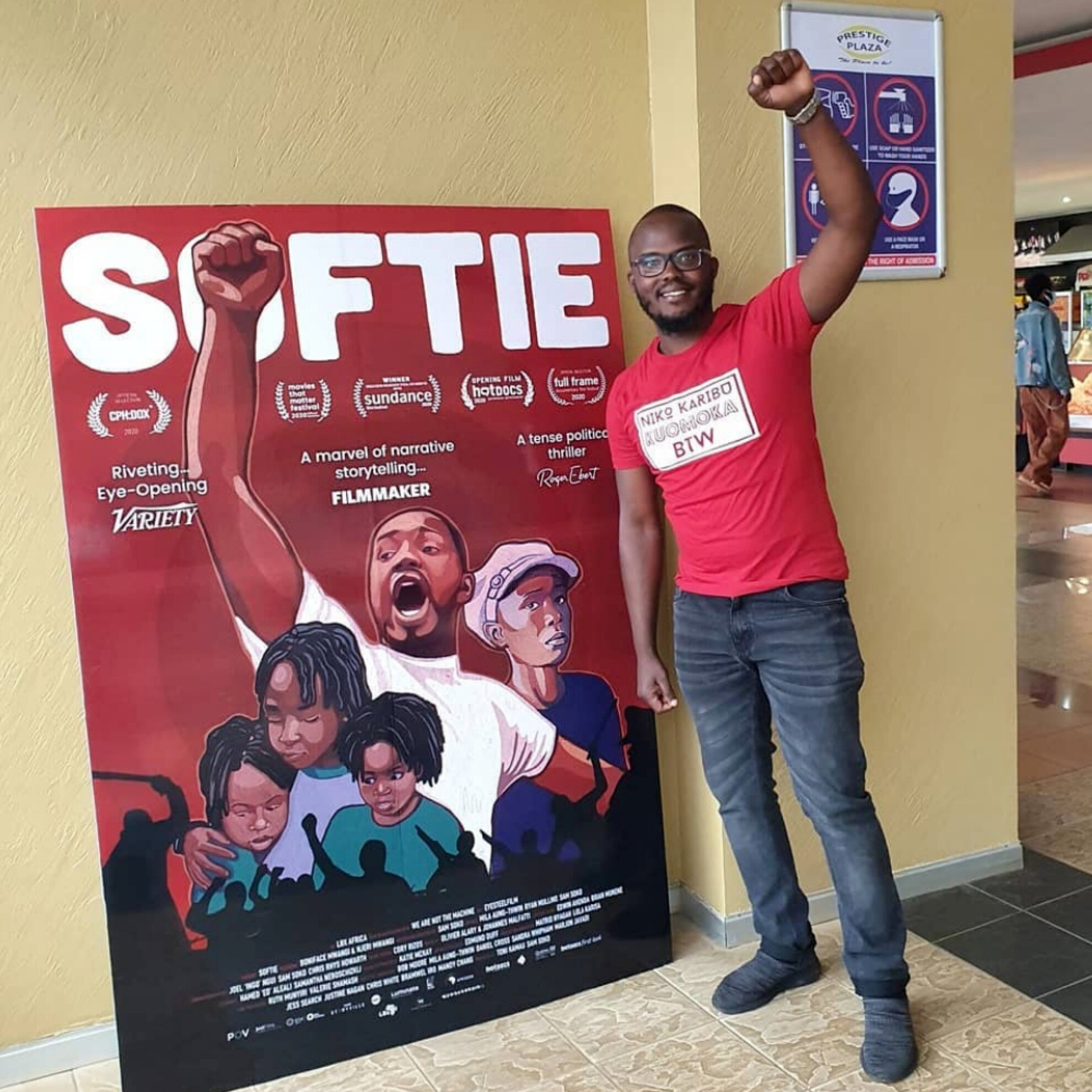
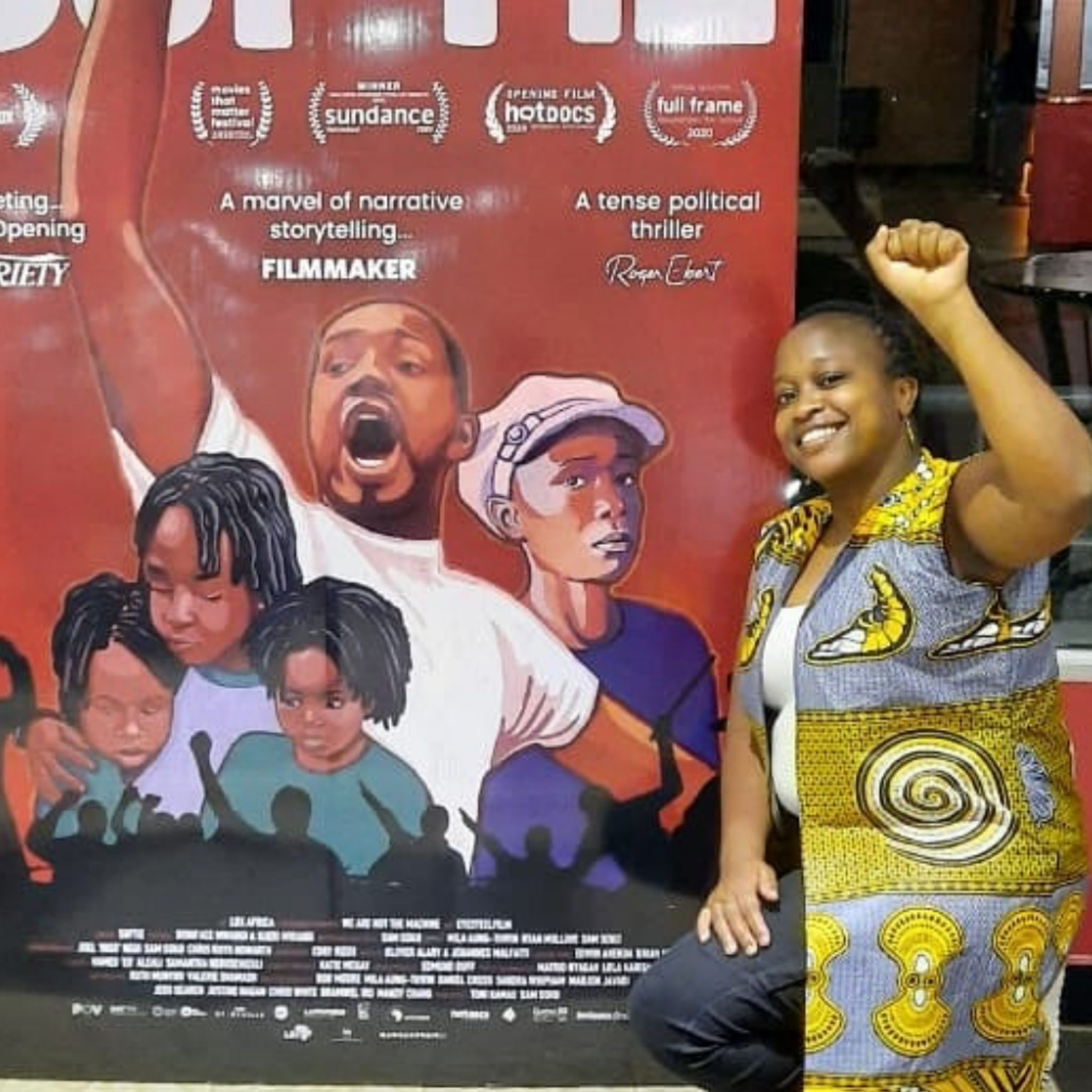
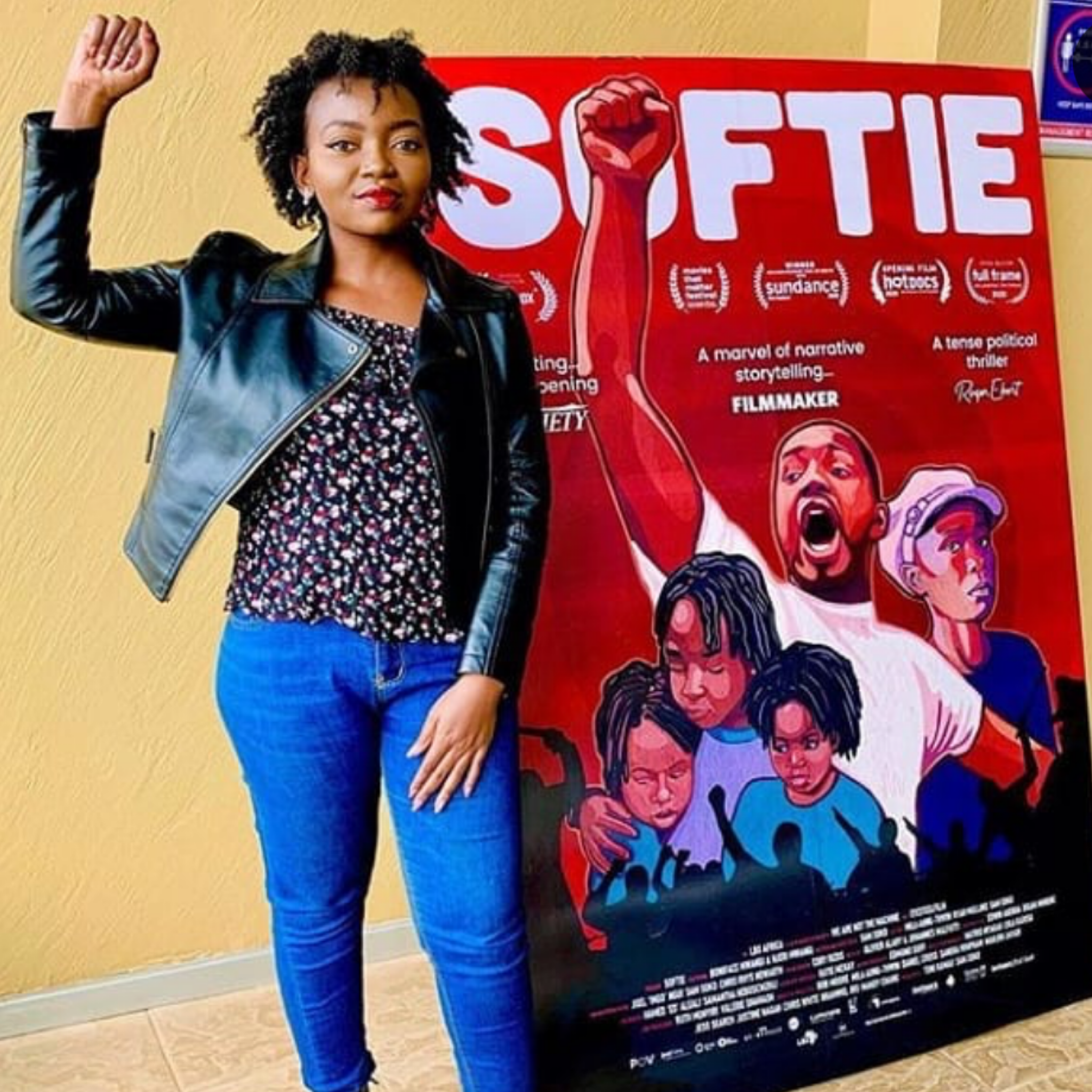
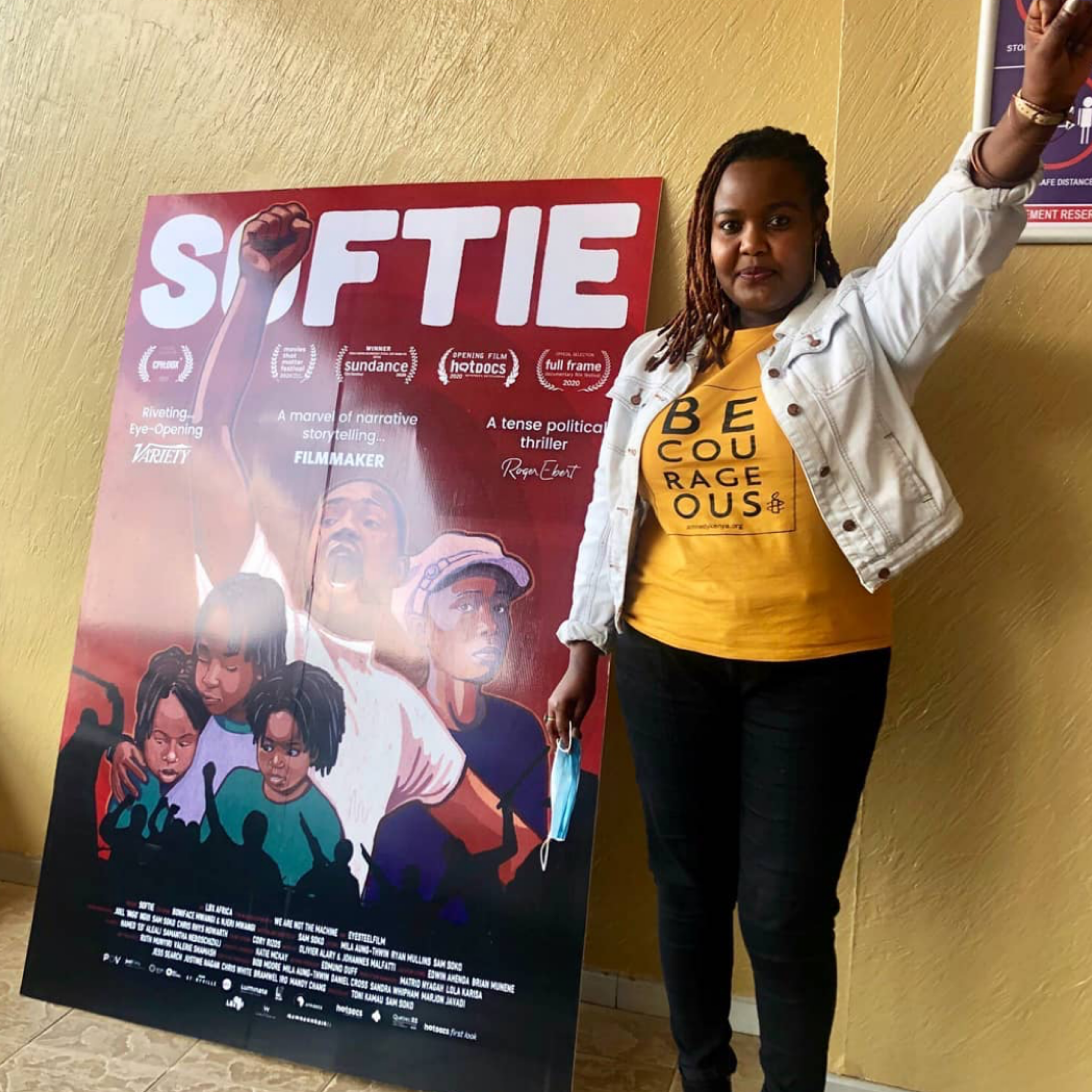
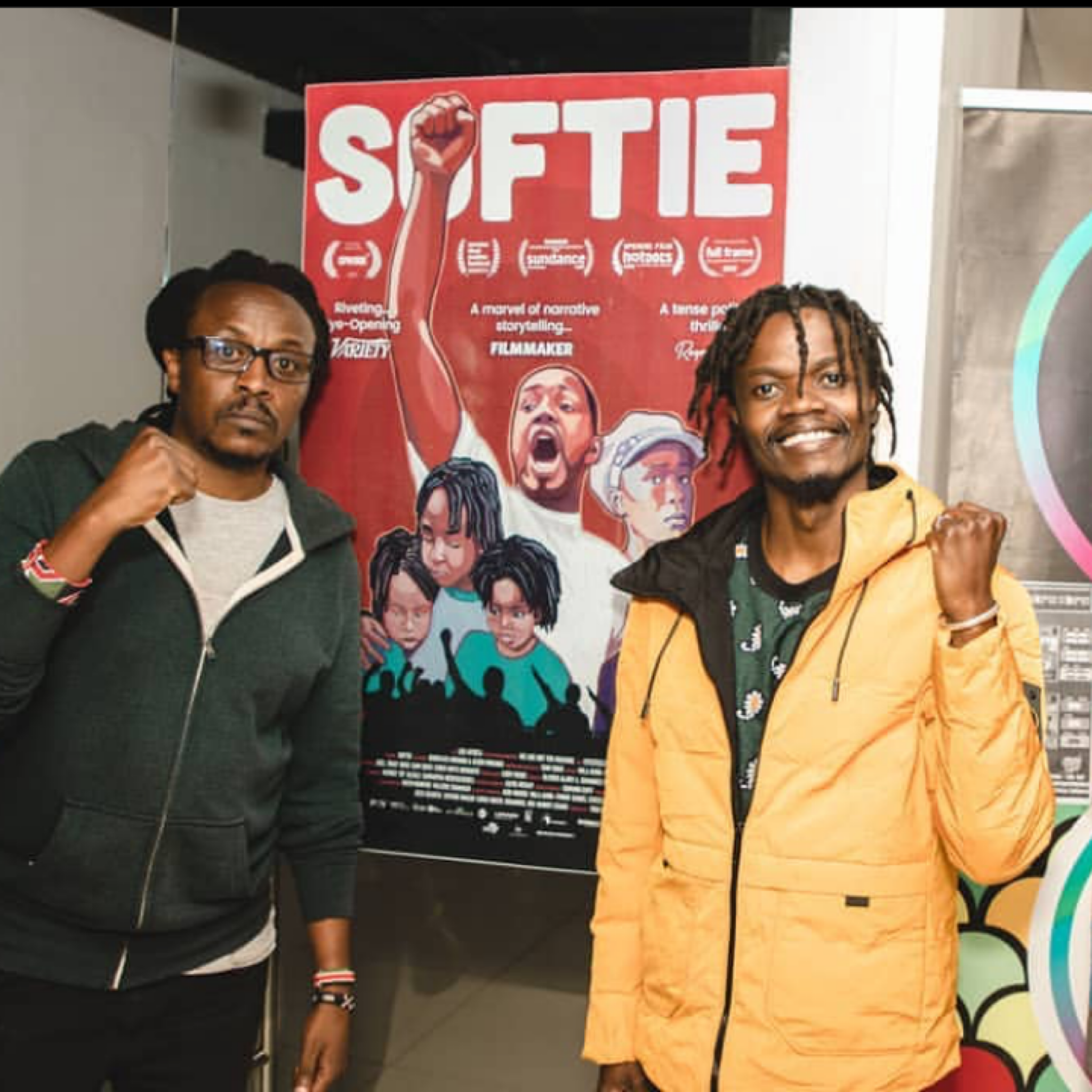
Watching Softie became a badge of honour; the responsible thing to do for those who cared about their country and more widely, their world. Softie became a symbol of rebellion, of hope. You wanted to be on the same side as its story.
A pay-it-forward dynamic emerged where supporters started contacting us to buy tickets for other people who couldn’t otherwise afford to see the film.
The film spread like wildfire, with each week bringing news that the cinema run had once again been extended. After one week was extended to well past five, Softie became one of the most watched Kenyan films in the country’s history.

Custom Softie Whatsapp stickers
The element of play
The film’s subject matter is often serious. And its key themes often relate to the harsh reality of operating in an increasingly daunting world. We soon realised the need to avoid over-seriousness and maintain an element of play throughout the campaign.
Our commitment to play also came through in small, meaningful gestures. We launched custom Whatsapp stickers for the team and people on our insider’s group (a list of strong Softie supporters gathered since Sundance) to use.
We produced reaction gifs from the film and uploaded them to Giphy to use in community management, whilst also finding a greater audience for Softie via people searching directly on Giphy (download all the Softie gifs from GIPHY here).
We also wanted the community to get to know the incredible crew behind Softie. We introduced them each on social media, shared baby photos, celebrated birthdays and award nominations and did a few old-school throwbacks.
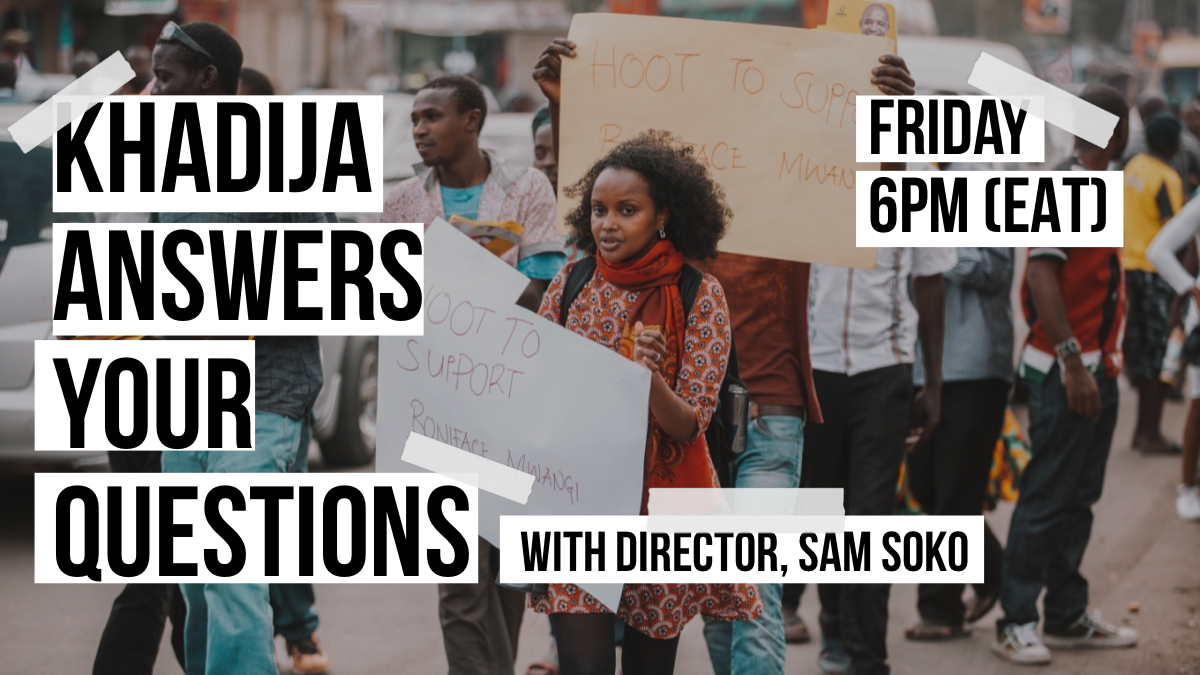
An audience favourite was Khadihja Mohamed, Boniface’s campaign manager. To give the community an opportunity to engage with her directly, we hosted a live Q&A session with Khadija and Softie’s Director, Sam Soko. The creative team ensured sleek production of the broadcast to Facebook and Twitter, with Khadija giving practical tips on how to protest and mobilise around various issues.
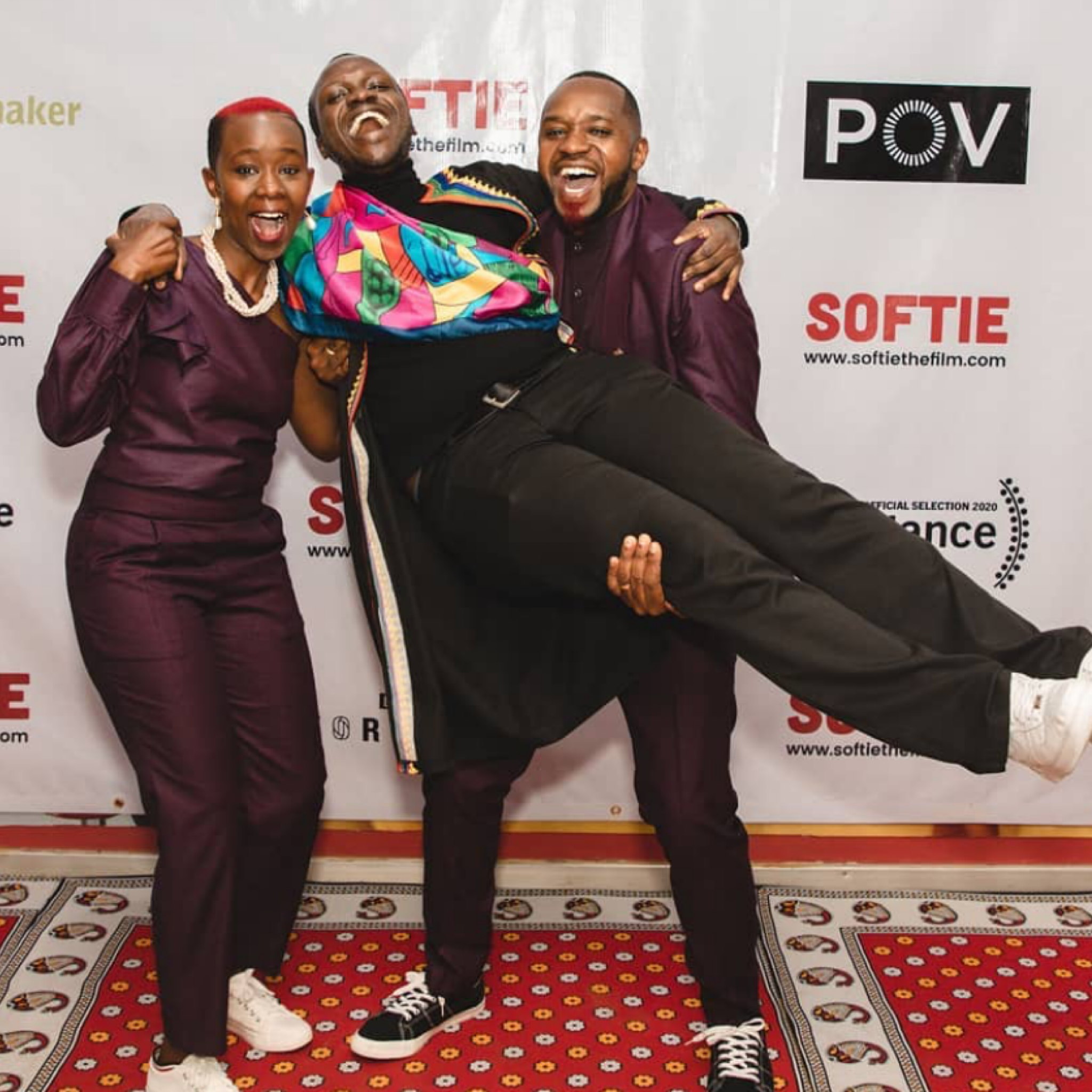
11 million people reached
From September 2020 onwards, we saw the Softie community grow from around 3000 followers across all channels to over 15,000. We reached over 11 million people (around the world, not just in Kenya) with over 47,000 engagements on social media alone. We garnered high-level shoutouts, gained international acclaim, and helped to frame the film and its eponymous hero, Boniface, within crucial discussions surrounding democracy and justice.
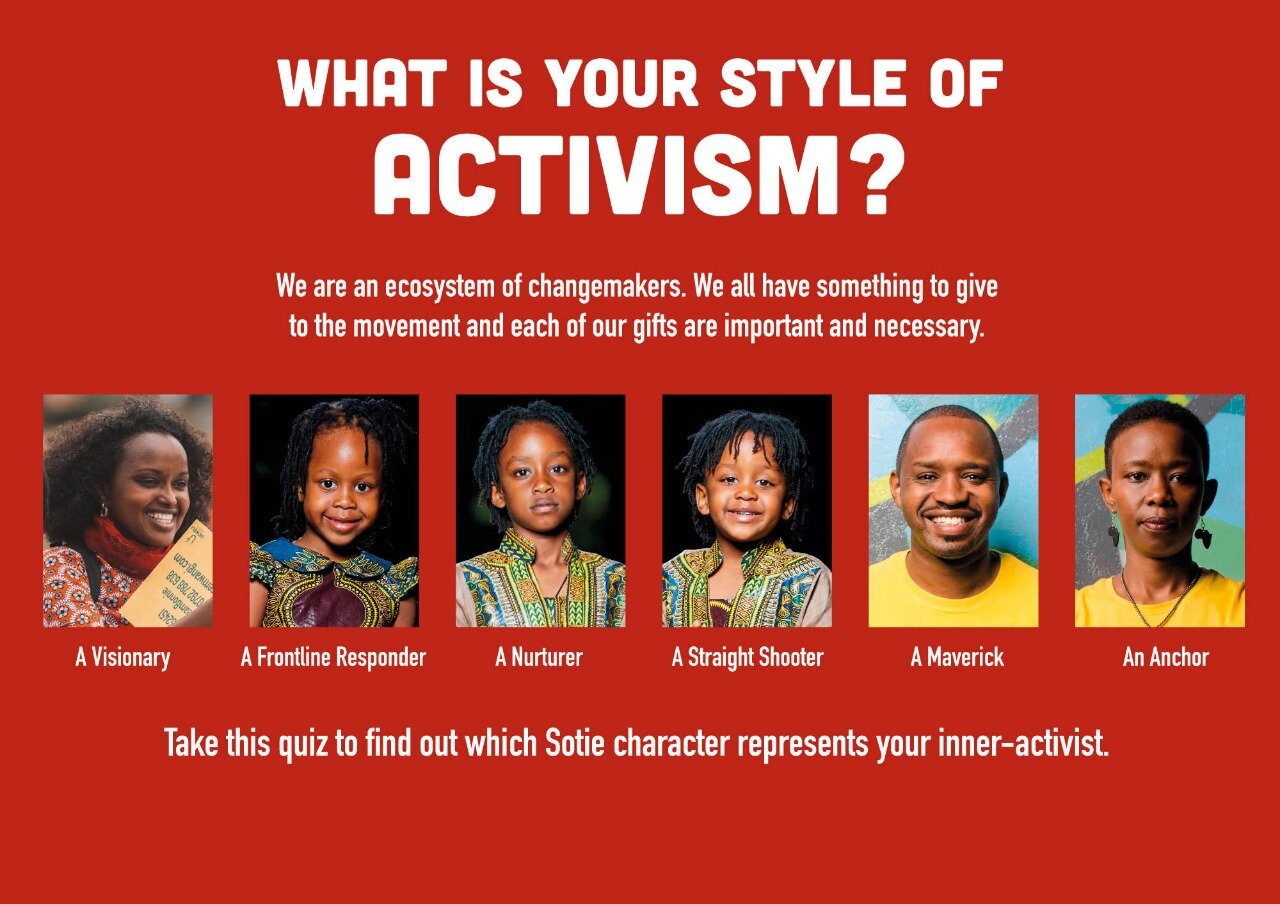
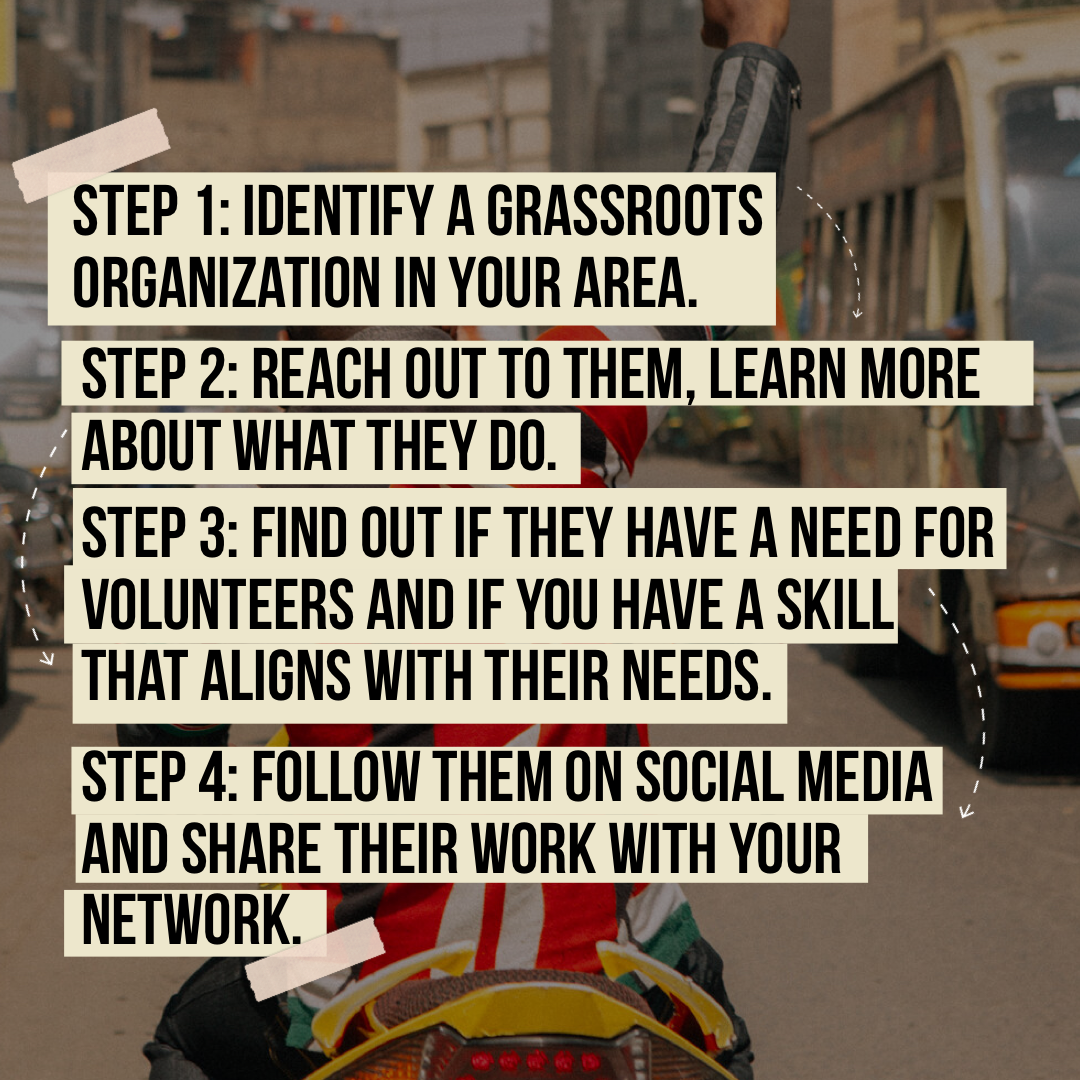
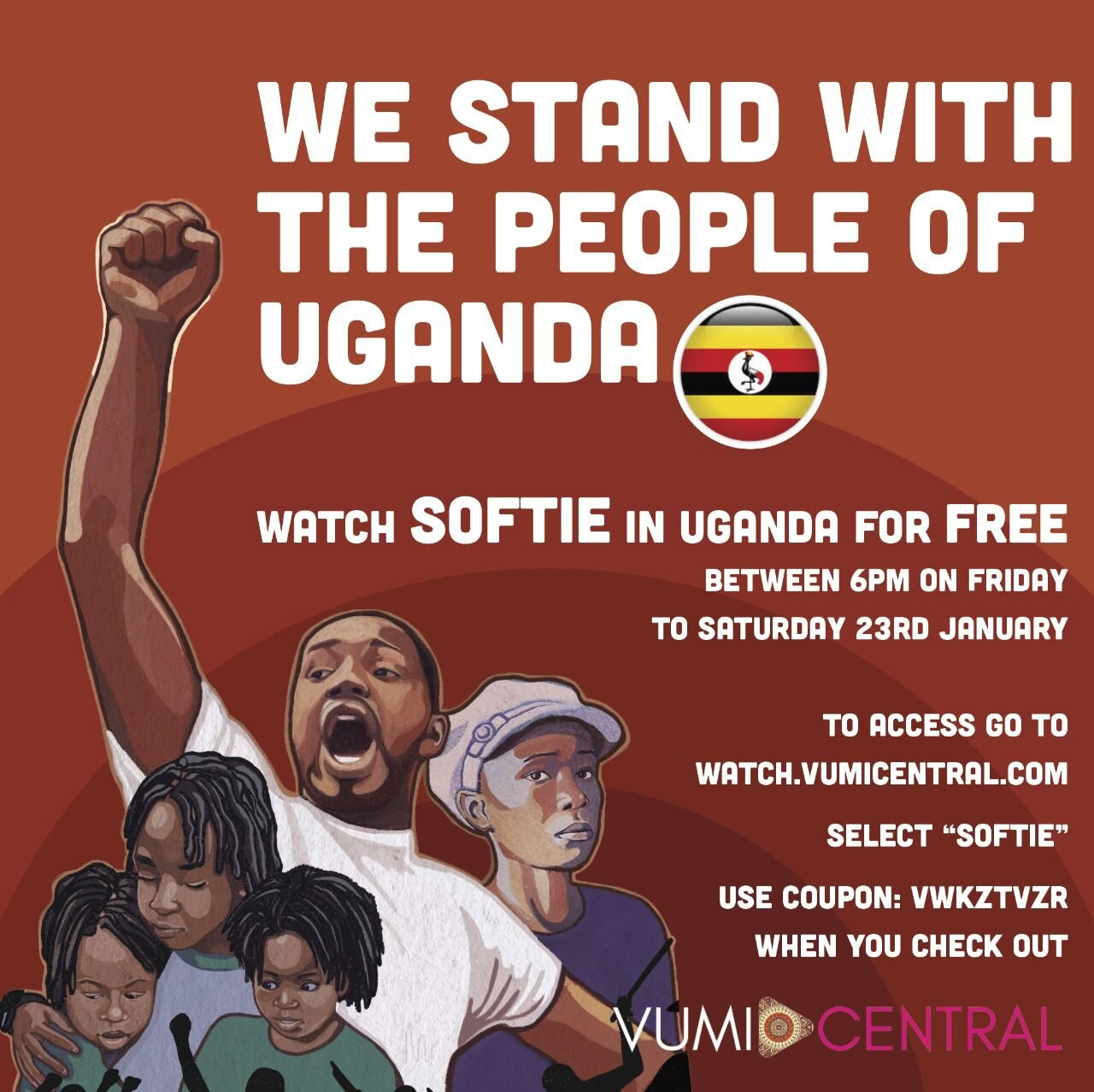
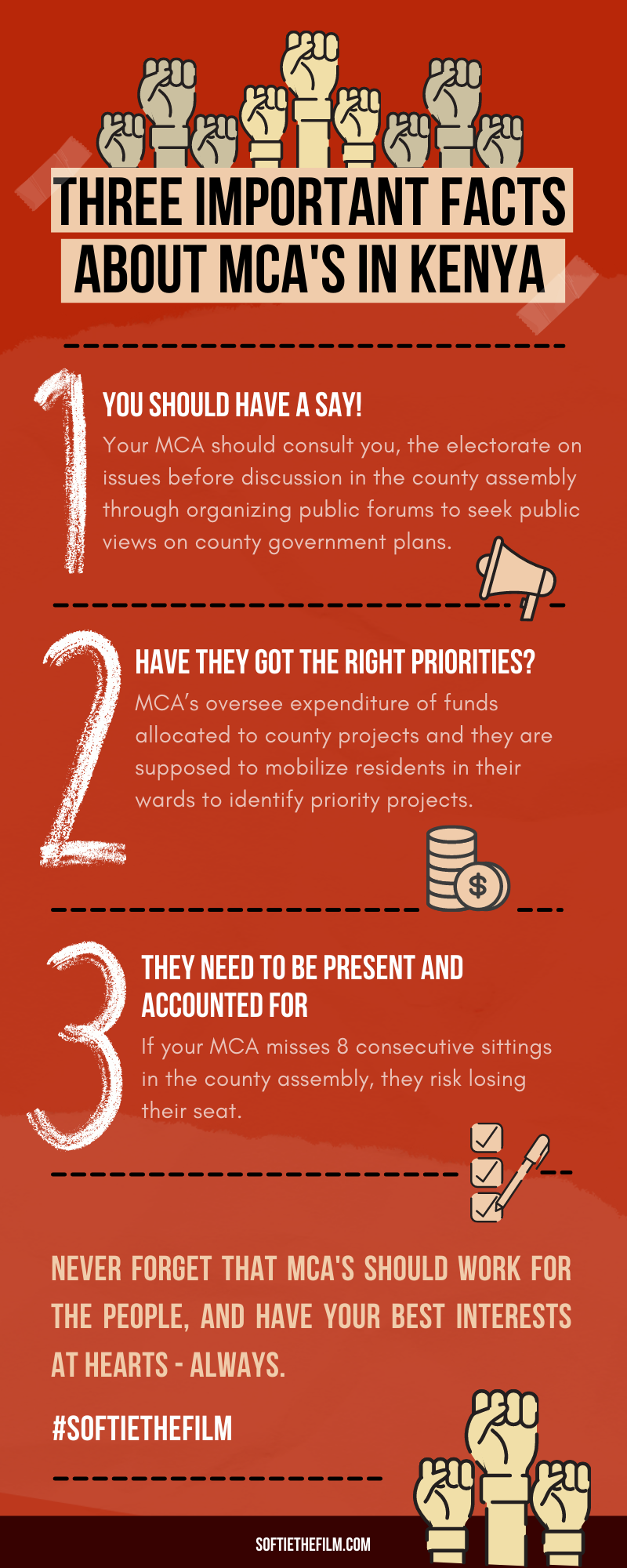
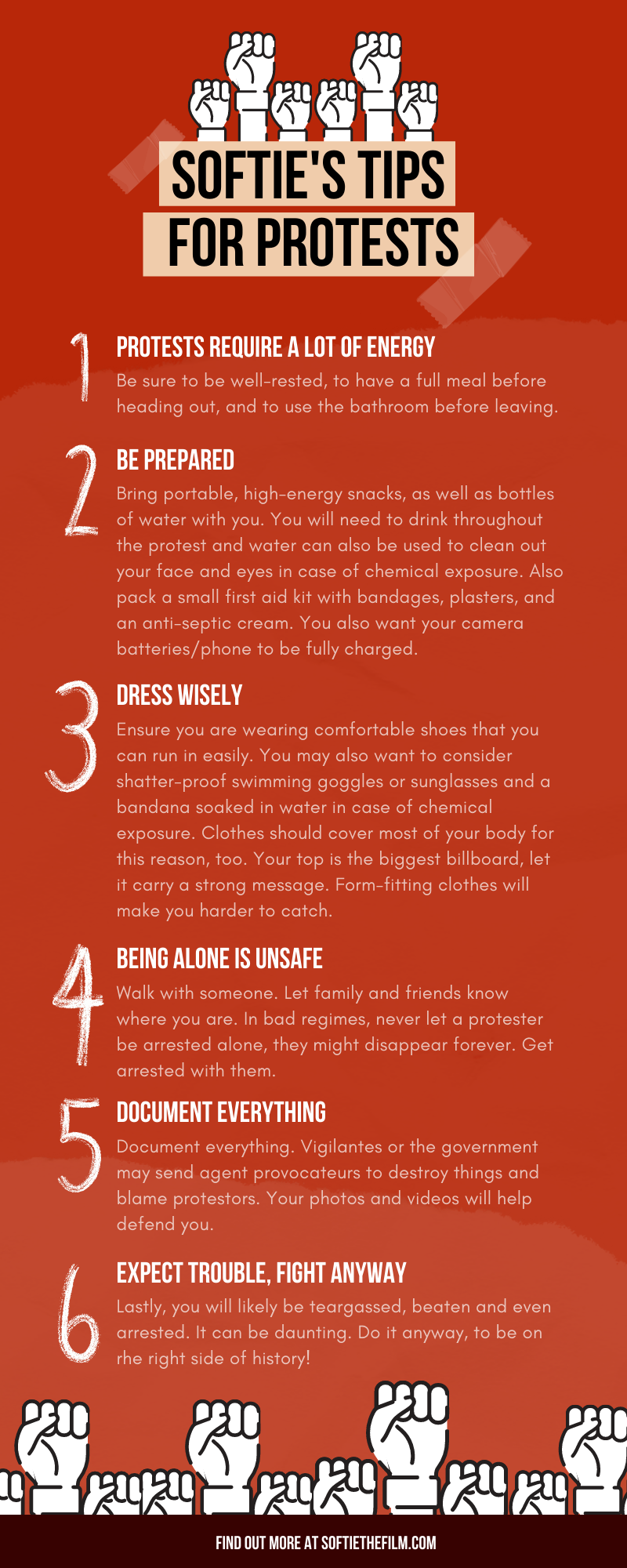

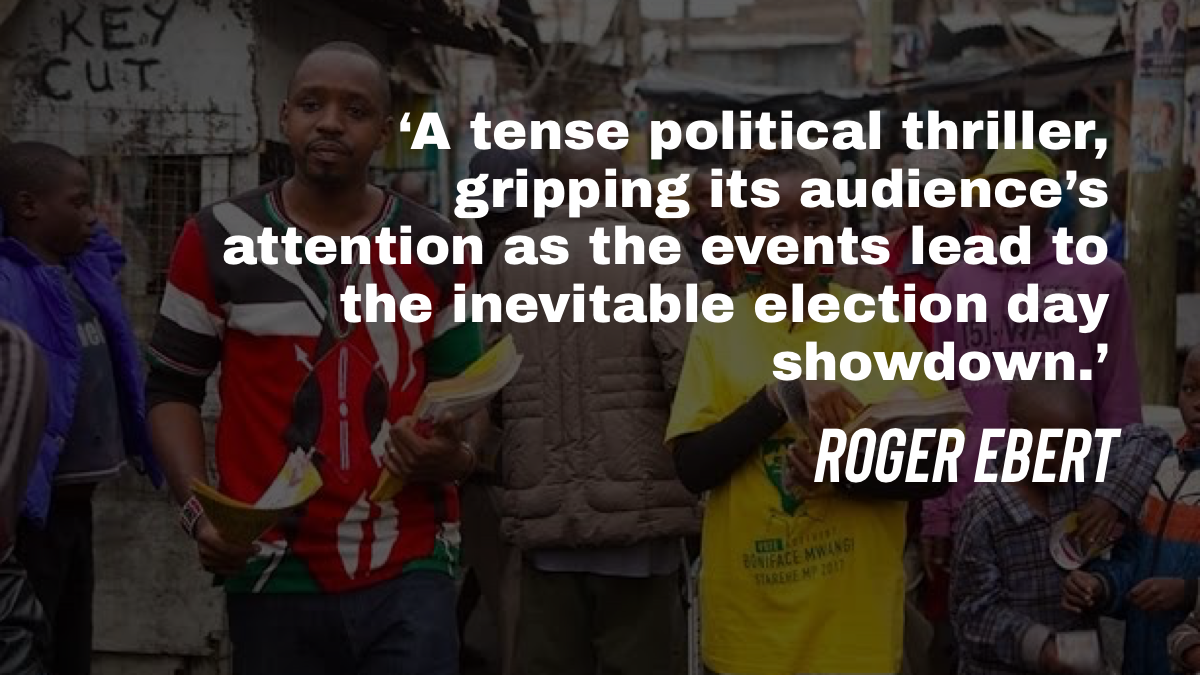
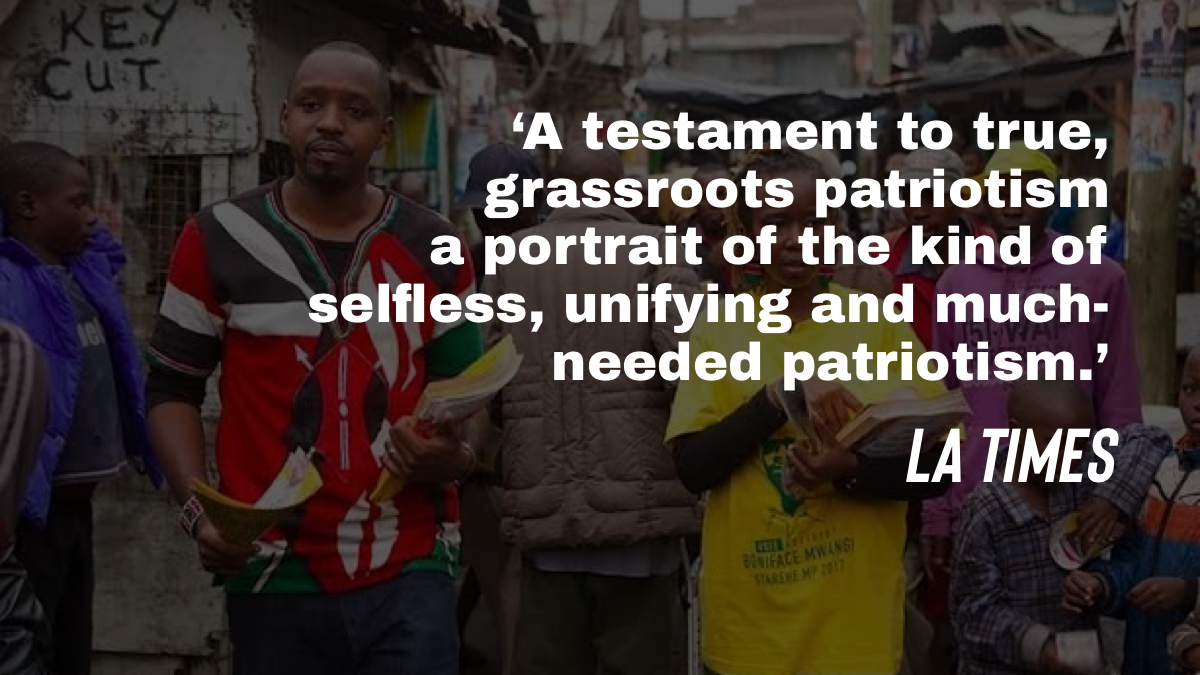
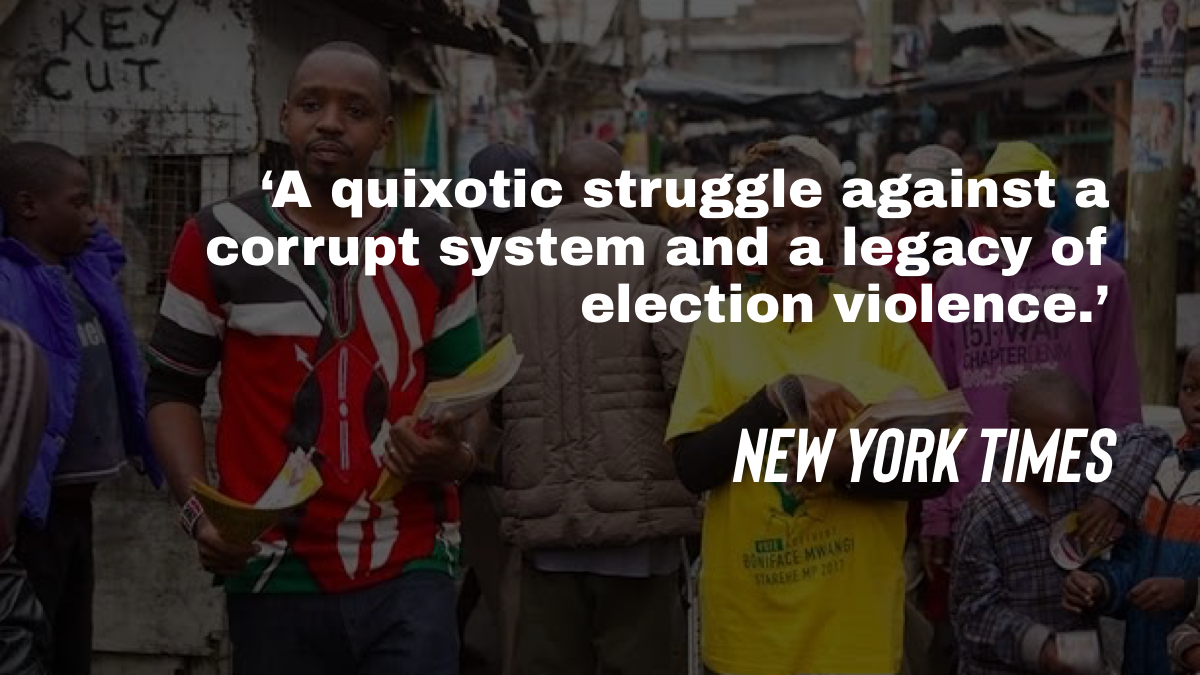
If you haven’t yet seen the film, it’s still available for streaming on multiple platforms across the world. It has scored 92% on Rotten Tomatoes, 73% on Metacritic, and 8.1 on IMBD. Softie won the World Cinema Documentary Special Jury Award for Editing at the Sundance Awards (2020), the award for Best Documentary at Durban International Film Festival (2020), Best Film at the Encounters South African International Documentary Festival (2020), the Cinema Eye Awards Distinctive Honour Award of ‘The Unforgettables’ (2021), Silver Star for Best Feature Documentary at El Gouna Film Festiva (2021), International Documentary Association (IDA) nominee for Best Feature (2020), PGA nominee for Outstanding Producer of Documentary Theatrical Motion Pictures (2021), and the Academy Awards Longlist (2021).
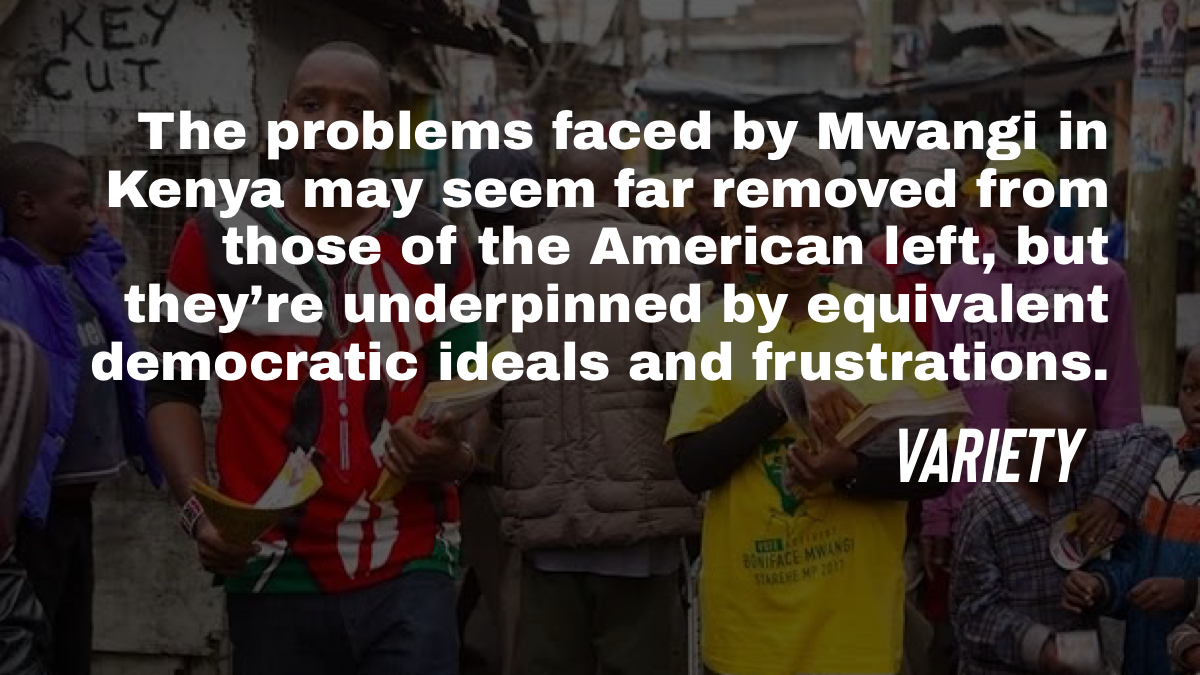
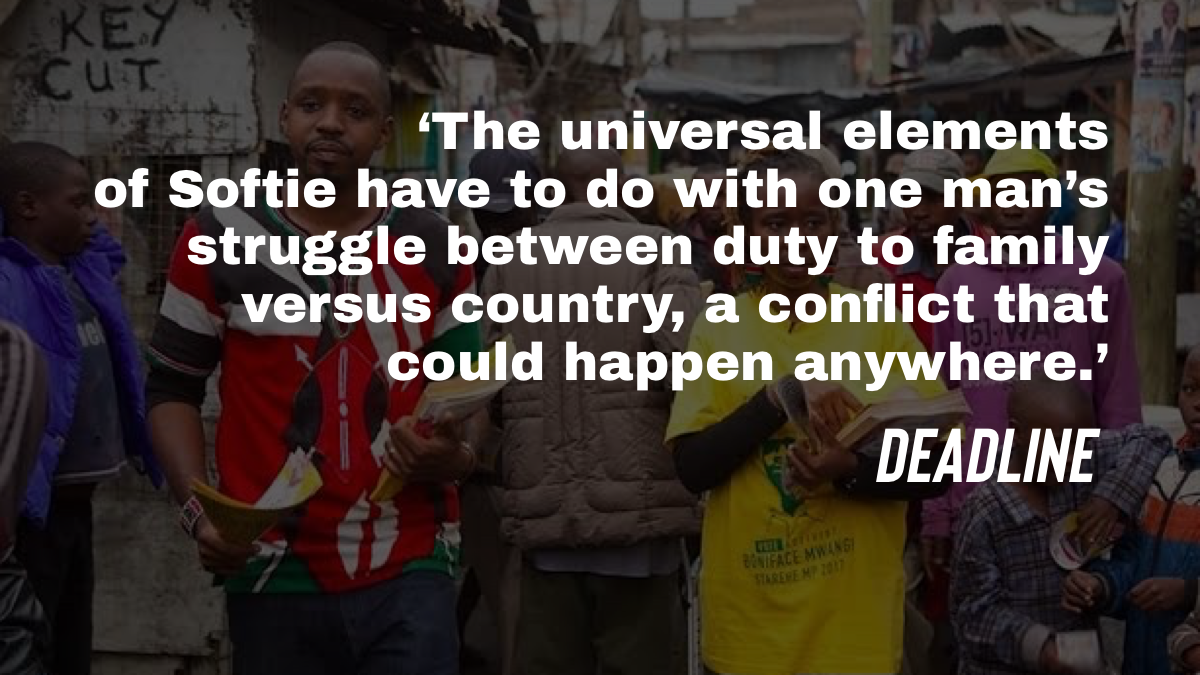


Advocating for youth in Africa’s peace and security agenda #WhatMakesYouthFeelSafe
Working with ISS Africa we activated young peace-builders in 20 African countries; and gained lifelong lessons on community, leadership and the importance of incorporating play in work.

Written by Sandiso Matshikiza, Graphics by Schalk van der Merwe
In March 2021, we came together with the Institute for Security Studies for what seemed like a simple and straightforward project on Youth, Peace and Security. Activist Aya Chebbi was approaching the end of her two year term as the African Union’s first Youth Envoy, so we wanted to reflect on her work and ask the question “What’s next for Africa’s Youth Peace and Security agenda?”
The conclusions that we reached during our reflection process revealed some startling insights:
42% of the world's youth will be African by 2030, yet little is being done to equip young leaders on the continent. The African Union, whose mandate is to cover Youth Peace and Security among its other agendas, seems detached from the needs of the youth on the ground. Constantly excluded from key decisions and represented by leadership who are much older, African youth do not feel safe and they do not feel heard.

So what did we do?
With these daunting facts, we saw an opportunity to crowdsource the perspectives of youth from all over Africa to understand: What makes youth feel safe? What makes youth feel unsafe? What made this campaign special was that we took a simple question of safety in one's community, easily answerable by a small child, and used it as a line of communication between African youth and AU leaders. By answering the question, African youth were directly influencing the next steps for the African Youth Peace and Security (YPS) agenda.

We kickstarted the campaign with a WhatsApp group to discuss the topic. Working with ISS lead researcher, Munei Kujeke, we convened over 130 young peace builders in more than 20 African countries.
Whilst the official platforms for the campaign were Twitter, Facebook and Instagram, it was on our WhatsApp group where the conversation unfolded organically. We worked with these young people to turn their statements into videos, which eventually spilled over onto other the other platforms. As the week progressed, there was an outpouring of videos from all over Africa, with youth bravely speaking out on issues such as the importance of good governance, the scourge of gender based violence and the need for inclusivity and opportunities across all youth groups.
“Hearing multiple perspectives, in different languages with different cultural backgrounds, united through a noble purpose, is a feeling that can only be described as spiritual.”

With an organic reach of over 548 000 people, the #WhatMakesYouthFeelSafe campaign clearly struck a chord. From the first sprouts of debate on the WhatsApp group, right up to the peak of the conversation during the round-up seminar - the conversation was rich, vulnerable and gave all those involved a genuine sense of belonging and importance. Accordingly, it came as no surprise when we learned that the campaign had caught the eyes of broadcasting channels such as eNCA and Big Daddy Liberty who invited lead researcher Muneinazvo Kujeke for interviews.
Behind the scenes: Key challenges and breakthroughs
Behind the scenes, the campaign did not come without its challenges. A major technical obstacle that we came across was the realisation that although the call to action had been for videos, not everyone involved in the campaign had access to bandwidth. So as the week progressed, we improvised and included posters and text messages as part of the conversation.
For the community manager and interaction designer on the account, this was a debut campaign which we playfully describe as a ‘baptism of fire’.
“My personal breakthrough was when engagement with the initial videos was very low and people were just not joining the conversation. I realised the value of my vulnerability and the need to honour my responsibility as African youth. So I grabbed a pen and board and I added my voice.”

Our team saw its defining moment, however, as we approached the campaign round-up seminar and Schalk surprised us with a short clip which showed all the faces of the youth who had participated in the campaign. This strategic move shifted the energy of the campaign and raised the commitment levels of the participants significantly- showing us that before issues are unpacked, the affected parties value being seen and acknowledged.

So, in a campaign that was meant to bring attention to Africa’s Youth Peace and Security agenda, we managed to reach youth across the continent and got them to raise their voices on critical issues which affect them and their ability to flourish.
For us, some of the key learnings were:
The importance of an authentic engaging conversation behind a public mobilization;
The importance of leading by example, and showing community members how to participate.
The importance of supporting and acknowledging participants so they feel heard. Whether by responding to them on social media, or featuring them in the content directly.
#WhatMakesYouthFeelSafe carries lifelong lessons on community, leadership and the importance of incorporating play in work.

Working Together to #SaveTheAfricanPenguin
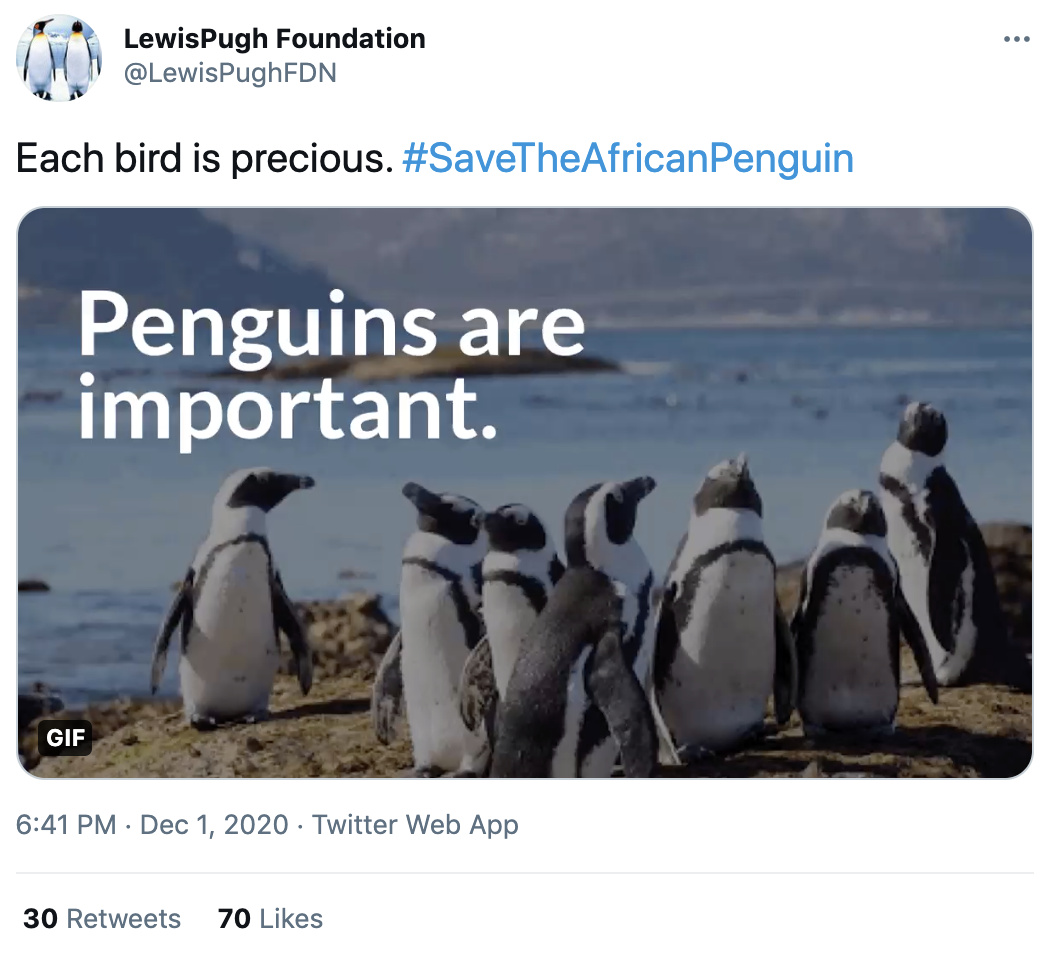
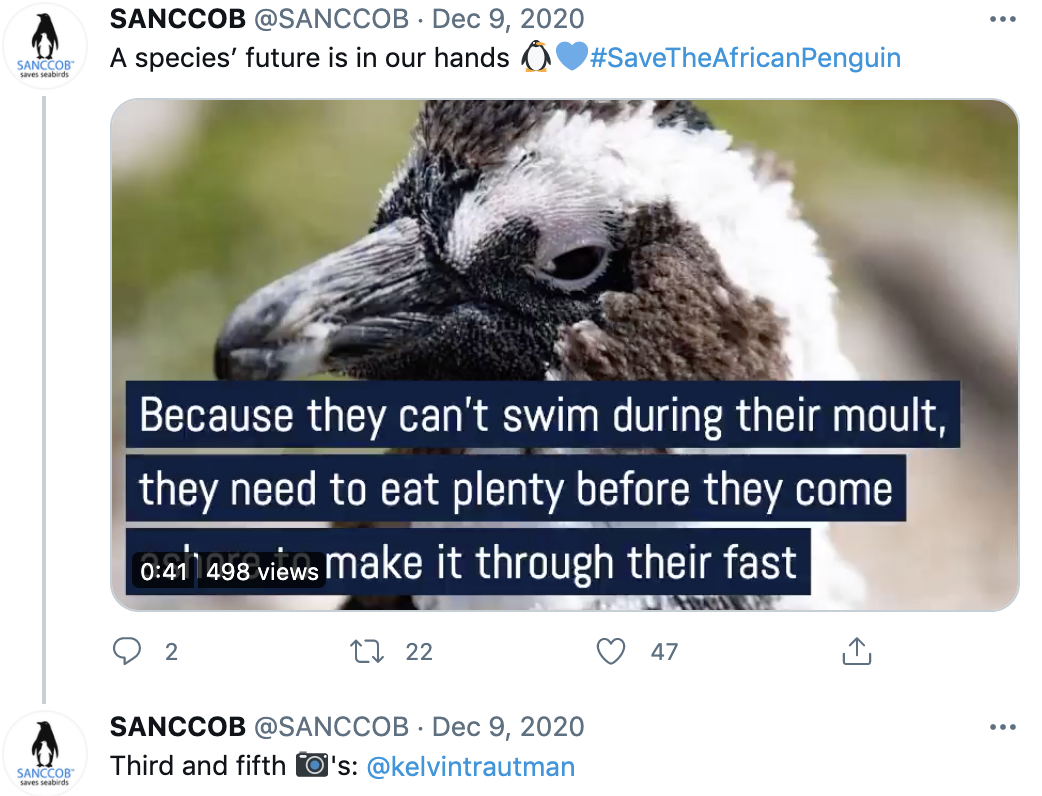
Treeshake partnered with SANCCOB and the Lewis Pugh Foundation to secure national media coverage, and reach over 1m people on social media to alert South Africans about the urgent need to #SaveTheAfricanPenguin.
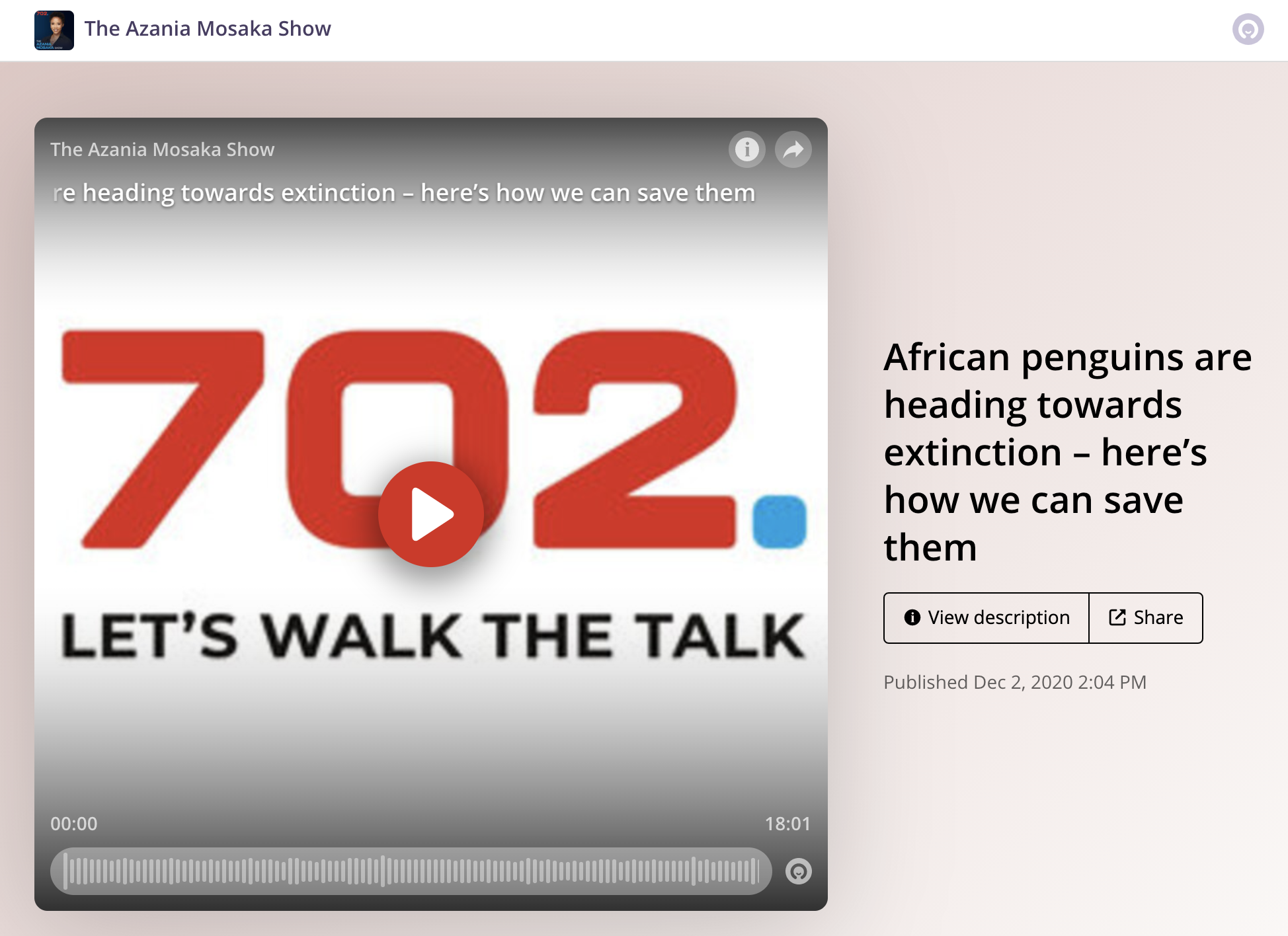
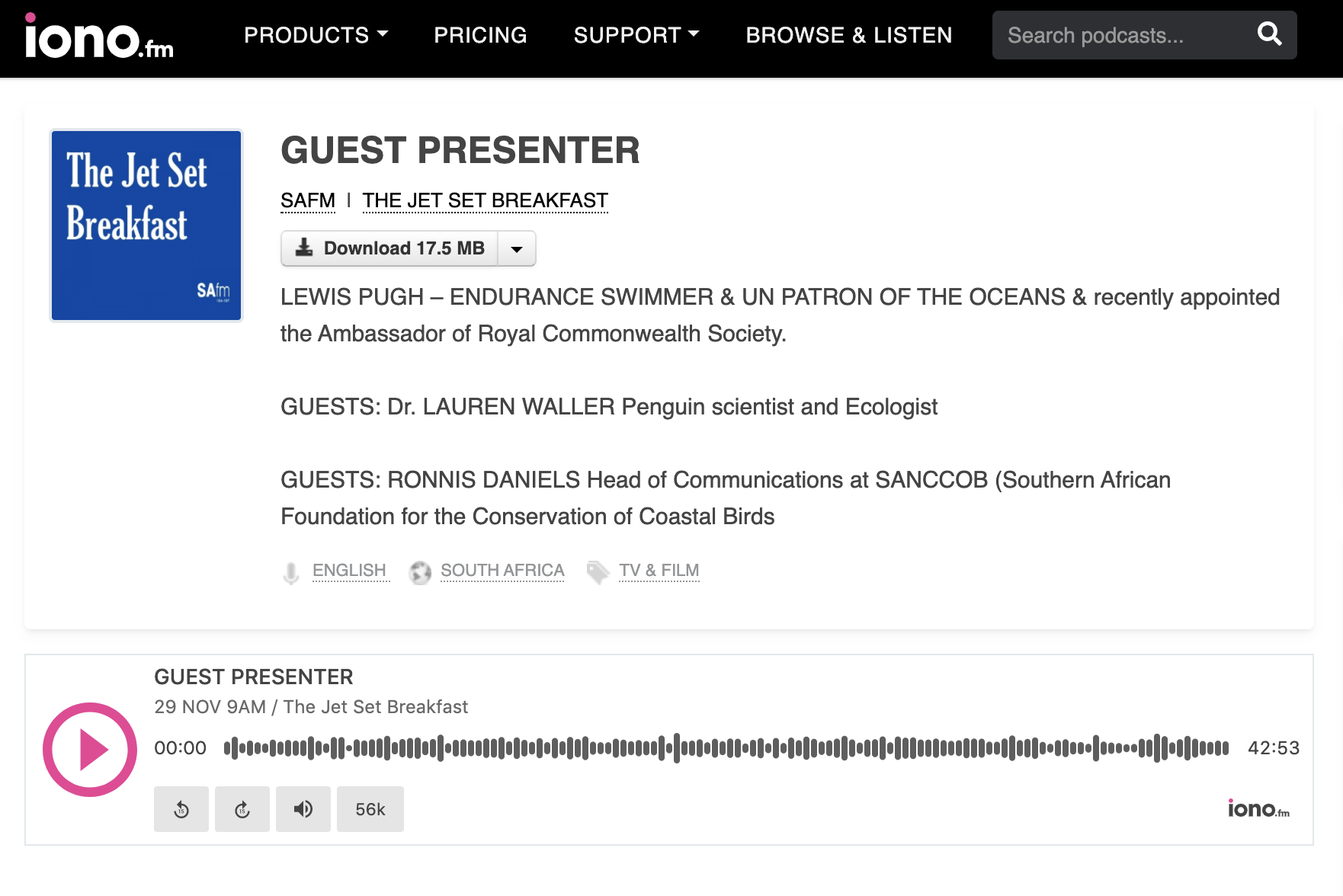
How do you get the media to pay attention to the steady population decline of the African Penguin amidst a global pandemic and rising unemployment? SANCCOB, The Lewis Pugh Foundation, and Treeshake came together to achieve more together than any one organisation could do alone. In under two weeks we secured coverage from mainstream South African media platforms - including The Daily Maverick, Expresso, Cape Talk, 702, SAfm, The Herald Live - and reached over 1 million people reached on social media and many more on radio and TV.
A collaboration to Save Seabirds
The Southern African Foundation for the Conservation of Coastal Birds (SANCCOB) is an organisation that has been dedicated to saving seabirds since its establishment in the late 1960s. Fifty-three years on and the centre is still leading African penguin rehabilitation and rescue in Southern Africa.
SANCCOB does not do it alone however, having successfully pulled off mammoth seabird rescues with help from their dedicated volunteers and various supporters. One of which is Lewis Pugh, UN Patron of Oceans and endurance swimmer.
In November 2020, Treeshake worked with SANCCOB and the Lewis Pugh Foundation to share a simple message: African Penguins are at risk of functional extinction, we need to do everything we can to save them. During the two-week campaign, Treeshake ran the media, digital, and PR for #SaveTheAfricanPenguin campaign to raise awareness on the plight of the African Penguin.

Photo: Kelvin Trautman
Giving the African penguin a fighting chance
Every year African penguins moult. This generally occurs November through to January, where birds stay ashore for up to three weeks shedding and regrowing their protective feathers. Towards the beginning of moulting season, Lewis Pugh had the opportunity to drive out to Stony Point, one of South Africa’s largest and most successful African penguin breeding colonies to assist SANCCOB with a release of rehabilitated penguins. Scanning the colony, Lauren Waller, a SANCCOB marine scientist, started pointing out birds to Lewis that weren’t likely to make it in the coming days. Fat, plump birds is what Lewis and Lauren should have been seeing on that rocky shoreline. Instead, they saw malnourished penguins with their breast bones sticking out. To quote Lewis Pugh’s OP-ED in the Daily Maverick:
“I’ve visited penguin colonies all over the southern hemisphere, but until now, I’ve never seen a starving penguin. It was eerily reminiscent of the malnourished polar bears I’ve seen in the north.”

Photo: Kelvin Trautman
Saving the African penguin hinges on several factors. One of which includes shifting offshore bunkering away from penguin colonies and another which involves ensuring that vessels are prepared in the event of an oil spill. A third factor, on which the campaign mobilised, is one of the biggest threats facing the iconic bird - having to compete with fishing companies for food, and losing.
As various review panels, international and local, were set to meet and discuss island closures and purse seine fishing around colonies in December, this was the perfect time to get going. The campaign came together within days and our team, running on a very tight timeline, and with a lot of technical information, started working intensively with SANCCOB to make sense of all the facts and produce compelling content that would get people engaged.
Building up a base of support for island closures
A varied content plan and core thematic pillars would be crucial if we were to get through all the important points and keep our audience engaged. We knew that at the heart of the campaign, a love for these unique birds would be vital. From this, one of our three core pillars was formed - ‘we can’t afford to let this happen’. By highlighting the role African penguins play in our marine ecosystem, how they create jobs, are unique and extraordinary and form part of our national heritage and brand, people would start to grasp their far reaching importance. This gave us a solid foundation from which to message on our second pillar - ‘the African penguin is at risk of functional extinction.’
Since our audience was now invested in the story of the African penguin, our focus shifted to making SANCCOB’s nuanced scientific facts and numbers accessible to our audience. What was left was something actionable - steps that could be taken to save the African penguin. This brings us to island closures, our third pillar, where we unpacked no-take fishing zones and how crucial actions from our government could make all the difference to the bird’s survival.

Over the course of the campaign, the Lewis Pugh Foundation dedicated their social media accounts to the 'Save the African Penguin' cause. On both SANCCOB and LPF socials, a rich variety of content was produced - from infographics, GIFs and videos to fact threads and waveform podcast videos.
We also identified some of the most influential voices among the tourism industry, avid penguin lovers, animal activists and seabird scientists whom we encouraged to get involved. To make participation easy, we produced a pack of African penguin facts and insights coupled with photographs that we distributed to our influential voices on social media.
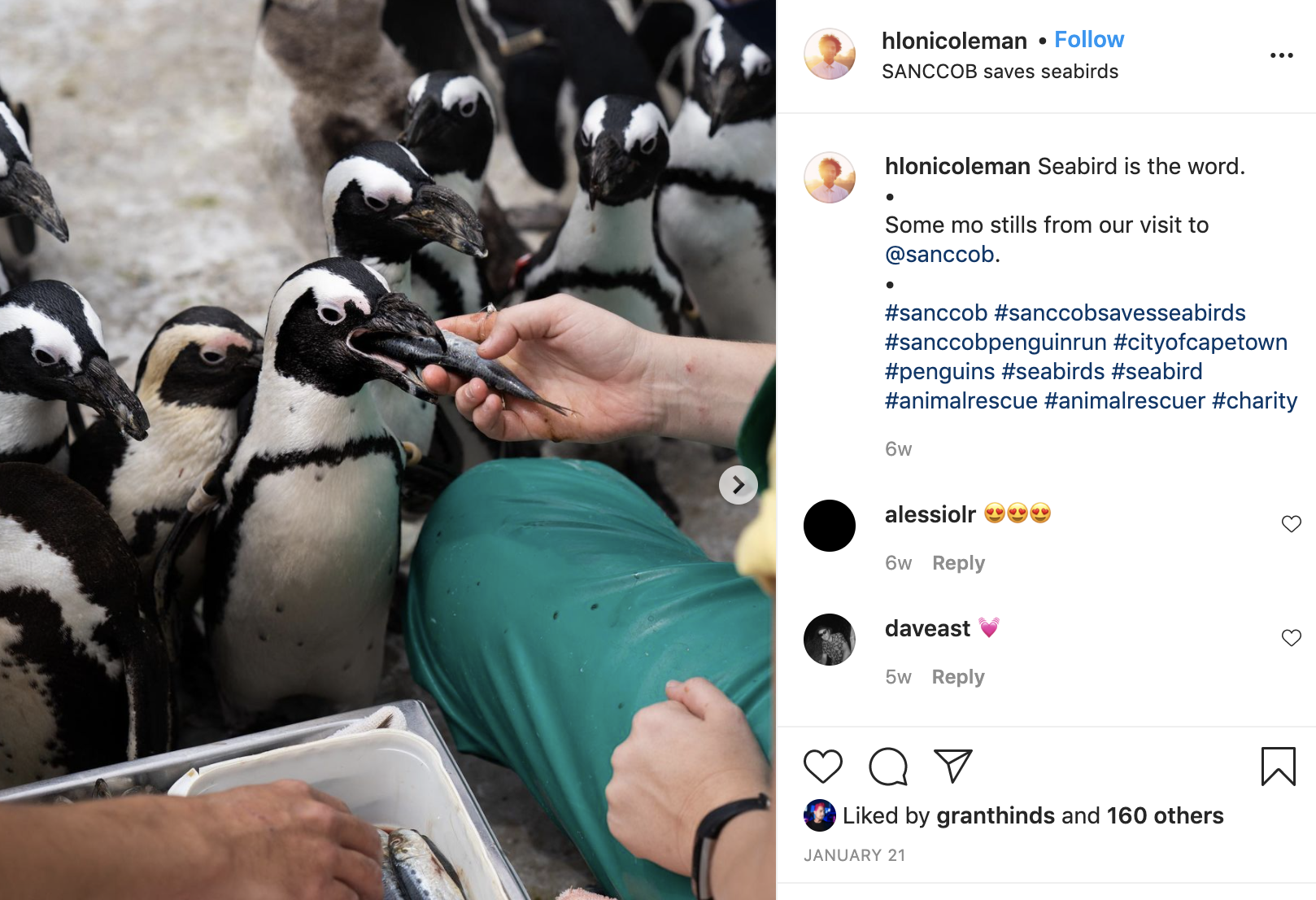
These relationships were a key driver of the campaign’s success and later made it possible for us to organise an influencer event that spanned over a week. Artists, photographers, videographers and streamers - all visual storytellers - visited the SANCCOB facility where they toured the centre and learnt about what it takes to bring different seabirds back to full health. Our influencers shared their days on their social media accounts, spotlighting the important work SANCCOB does as well as the plight of the African Penguin as a whole.

Photo: Hloni Coleman
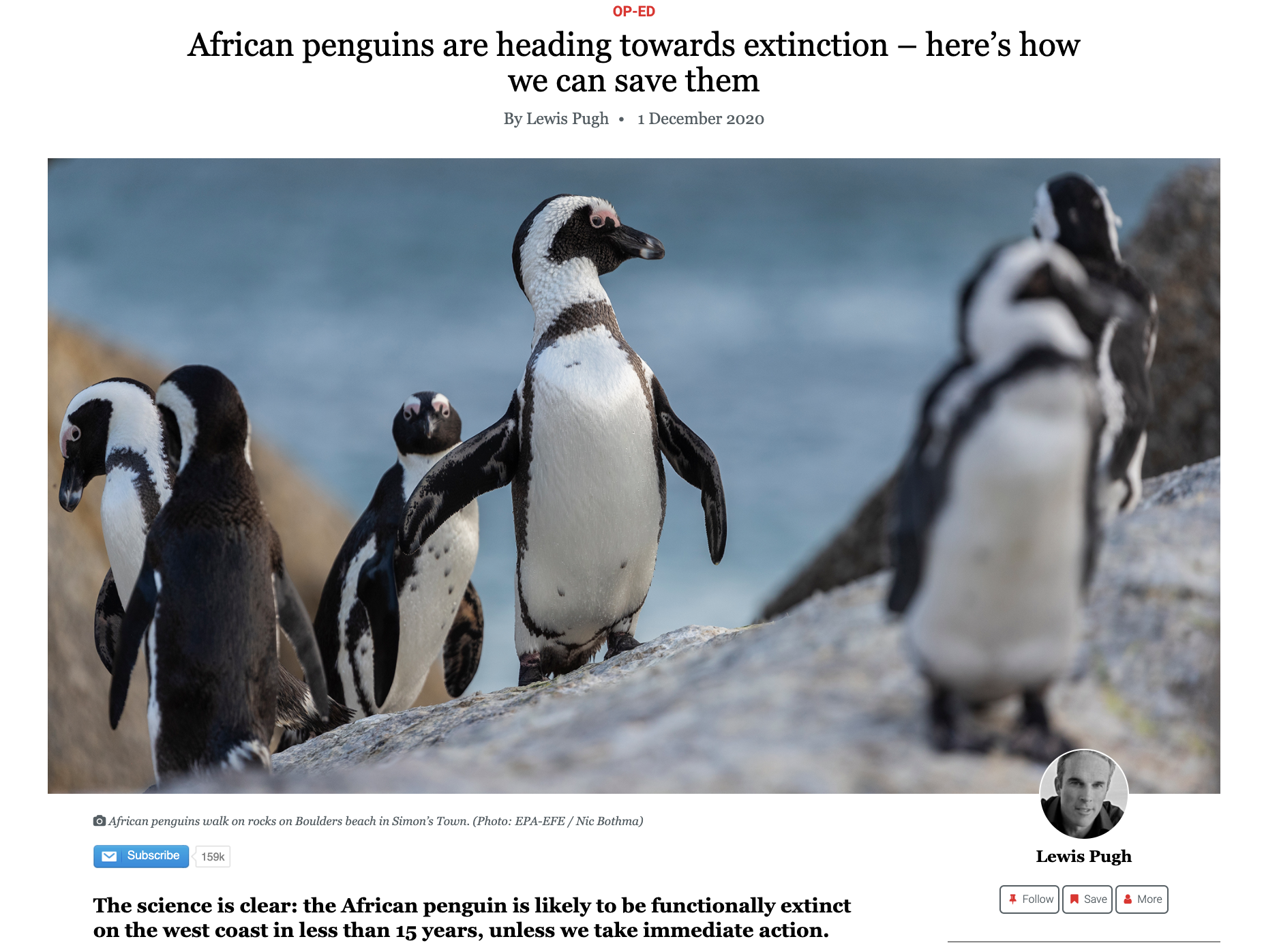
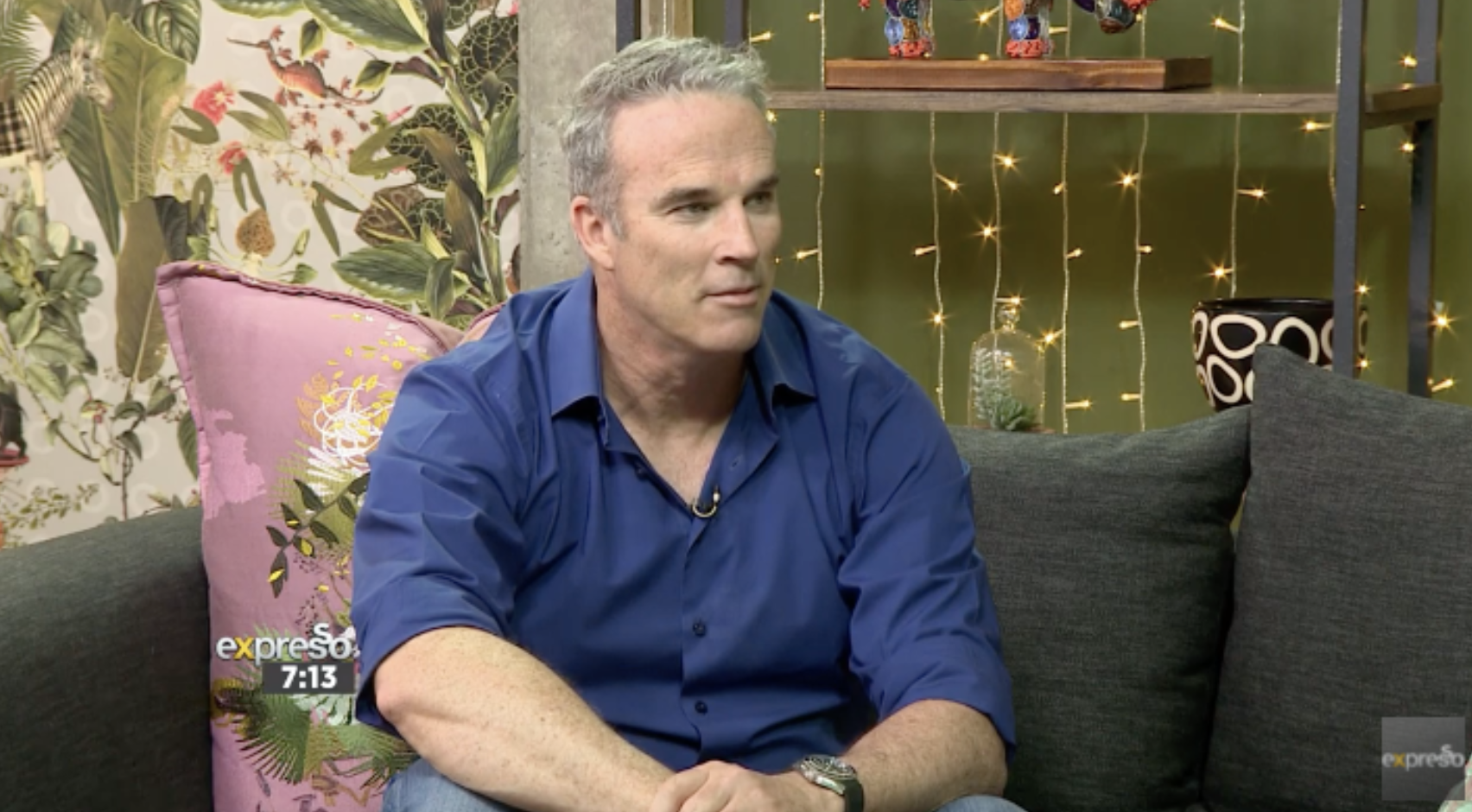
We secured Lewis Pugh three prime-time in-depth radio interviews (on Cape Talk, 702 and SAfm) focusing on the plight of the African Penguin in the Western Cape. Lewis also appeared on SABC 3’s Expresso Morning Show to talk about the campaign and wrote an OP-ED in the Daily Maverick on the main threats facing the African penguin, which we helped refine and place. The piece unpacked the decline of the African Penguin and detailed a three-point action plan to save the species.

Results
From the get-go, the #SaveTheAfricanPenguin campaign showed the importance of collaboration, and how when organisations come together around a shared purpose we can all extend our reach and impact. This was reflected by consistently high social engagement on both the Lewis Pugh Foundation and SANCCOB’s Twitter, Instagram and Facebook accounts. As a result of growing engagement, consistent community management and tagging across all accounts, SANCCOB’s social media engagement rates rose.
In just over 2 weeks, we reached over 1.5 million people, with 16 000 interactions on SANCCOB’s accounts and over 1594 mentions. SANCCOB’s social media pages grew too, with their Twitter account seeing double their usual amount of new followers in December.

Photo: Kelvin Trautman
Our end goal was to reach the South African Department of Environment, Forestry and Fisheries and encourage Minister Barbara Creecy to implement full island closures for 10 years to allow the penguin population to recover. And while the minister did engage with the issue, the islands have only been partially closed.
The purse-seine fishing industry continues to push back on conservation efforts and so we know this conversation needs to continue. The local chapter of Extinction Rebellion has now taken up the charge. If you care about this issue please sign their petition here.

Extinction Rebellion have adopted the campaign and are urging Minister Creecy to implement fishing restrictions.

South African eco-organisations to watch — and actively support
Trying to decide which environmental organisation to support in 2020? Here are the ones who are tangibly making a difference - and could use as much support as possible to continue effecting change.
Trying to decide which environmental organisation to support in 2020? Here are the ones who are tangibly making a difference - and could use as much support as possible to continue effecting change.
By Bridget McNulty
There’s a strange disparity in South Africa at the moment. Or should I say, another strange disparity. There appears to be an almost visible line between those who are facing up to the environmental crisis that we are in the middle of, and those who are not willing to sense the enormity of the problem.
As journalists get more and more frank, and scientists get more blunt (11,258 scientists from around the world have called for drastic climate action to “avoid untold suffering”), there are still those who are unable - or unwilling - to accept that now is the time to take action. Not just to watch from the sidelines, but to step up and do something.

Of course, for many of us, taking action sounds like exhausting work. Humanity is in an end-of-life crisis, writes Leonie Joubert - and she should know, she’s uncovering all the latest news about it on a daily basis. The world is en route to ending not with a bang but a yawn. In the face of the truly astounding environmental changes coming our way, it seems easier to ostrich ourselves in the world of entertainment, daily work, and small daily struggles rather than own up to our part in the climate crisis.
But here is an easy and effective way to be better than that. The organisations and teams on this list have devoted themselves to fighting this environmental battle, and all we need to do is support them. I challenge you - as a 2020 resolution that you actually keep - to choose one organisation from this list and actively boost their work. Sign up, volunteer, donate, attend or work with these organisations.
Choose to be on the right side of the South African environmental disparity: the side with knowledge, and influence.
Sign up
350Africa.org
350Africa.org is building a grassroots climate justice movement across the African continent. 350 Africa runs their own campaigns and supports grassroots groups all over the continent, many of whom can be seen on Afrika Vuka.

In South Africa, 350Africa.org recently ran a campaign to put pressure on banks (like Nedbank and the Development Bank of South Africa) to stop funding new polluting coal power plants. Their next campaign demands that no taxpayer money is used to fund fossil fuels, and that instead South Africa invests in a just transition to a 100% renewable energy future.
Project 90 By 2030
Project 90 by 2030 was conceived when the impacts of climate change were first becoming evident in South Africa. George Monbiot’s book Heat calls for a 90% reduction in greenhouse gas emissions by the year 2030 to avoid “catastrophic effects on both humans and ecosystems”. Hence the name: Project 90 by 2030.
One of their primary areas of focus in SA is on a just energy transition. A Just Energy Transition (JET) is a transition towards a sustainable, low carbon and equitable energy system which is better for people and the planet.

At the moment we generate 90% of our electricity from coal - we need to switch to renewable energy as a matter of urgency. But it must be a just transition: with the right legislation and policy in place to protect workers in legacy energy systems where jobs are at risk.
Peace Parks Foundation
Founded by Dr Anton Rupert, President Mandela and Prince Bernhard of the Netherlands, Peace Parks Foundation was created to show that man and nature can coexist in harmony. The Peace Parks Foundation works to re-establish, renew and conserve large ecosystems that transcend man-made boundaries, by creating a regionally integrated and sustainably managed network of Transfrontier Conservation Areas (TFCAs).

Courtesy of Peace Parks Foundation
Rewilding Africa is one of their most ambitious projects. By reintroducing wildlife to ecosystems where the species once thrived, biodiversity is once again restored, whilst the potential for securing the future of the protected areas through nature-based tourism is increased exponentially. Working with Mozambique’s National Administration for Conservation Areas, they are currently implementing the largest rewilding projects in southern Africa: to revitalise the depleted ecosystems in the Mozambican components of the Lubombo and Great Limpopo Transfrontier Conservation Areas.
SANBI
SANBI, the South African National Biodiversity Institute, monitors the status of South Africa’s biodiversity. The National Biodiversity Assessment (NBA) is the primary tool for reporting on the state of biodiversity in South Africa, and is used to inform policies, strategies and activities for managing and conserving biodiversity more effectively.
Over 470 individuals representing about 90 organisations collaborated on the NBA over 4 years, and the result is a synthesis report, seven technical reports, datasets, maps,
supplementary materials and popular products. This short film features four young scientists from SANBI who share their role in developing the NBA.
CER: Centre for Environmental Rights
The Centre for Environmental Rights defends the right of communities and civil society organisations to an environment not harmful to health or wellbeing for present and future generations. By advocating and litigating for environmental justice, they seek to advance their vision of a just, equitable, compassionate society. A society which is resilient, celebrates diversity, and respects the inter-dependence between people and the environment.
Two of their recent campaigns involved opposition to a proposed coal mine in a protected environment and strategic water source area, and constitutional litigation brought against government (in relation to the violation of section 24 of the Constitution) due to air pollution in Mpumalanga.

Donate
SANCCOB
SANCCOB is the Southern African Foundation for the Conservation of Coastal Birds. Their work includes rescue, rehabilitation, chick rearing, oiled wildlife preparedness and response. They also offer education, training, research and employ conservation staff to be penguin and seabird rangers in the Western Cape, in colonies that are under the protection of conservation authorities.

The Chick Bolstering Project is a multi-partner project working to save the endangered African penguin, through hand-rearing abandoned and weak chicks, and rearing chicks from eggs. SANCCOB has successfully released more than 7,000 chicks back into the wild since 2006. Independent research confirms that the survival rates for these hand-reared African penguins are similar to that of naturally-reared birds. There are several fundable components to the project, including costs to rescue and rear chicks during periods of mass abandonment.
Black Mambas
The Black Mamba Anti-Poaching Unit is an all-female ranger unit focused on protecting South African wildlife. Each day, they perform crucial duties that prevent poaching and poachers coming into the reserve. One of these is an intensive snare sweeping, where they search for the snares that poachers set up in the bush for animals to get trapped and eventually die.

Image courtesy of Black Mambas
One of their biggest challenges is that they are driving very old Land Rovers that are largely unreliable given the roads the Mambas have to drive every day. They are currently engaged in a fundraising drive for repairs to the vehicles or even a new vehicle that would help them in their valuable anti-poaching work.
WILDLANDS
WILDLANDS has networks in 60 communities across South Africa, with a focus on improving livelihoods through innovative sustainable programs. Their WILDLANDS programme is structured around three integrated pillars: Wildlife Economy, Ecological Restoration and Sustainable Communities’.

Image courtesy of WILDLANDS
The WILDLANDS Ecological Restoration project works with the Department of Environmental Affairs: Natural Resource Management (NRM). They restore degraded forest (using the trees grown by WILDLANDS Tree-preneurs), grasslands, savanna and fynbos landscapes. This combats land degradation and assists South Africa’s landscape to be better prepared for climate change.
Volunteer
Greenpeace SA
Greenpeace Africa has a focus on South Africa as the largest emitter in all of Africa, amounting to 40% of emissions. They work closely with affected communities to highlight how dirty coal impacts on water access and air quality. Passionate volunteers for Greenpeace lead their own campaigns to ask local businesses to phase out of single-use plastics, and work closely with other environmental groups to keep the environmental movement vibrant.

Luke Rudman, a performance artist from Port Elizabeth, worked with Greenpeace Africa to raise awareness about plastic pollution. He created sculptural headpieces and pieces of ‘worn-art’ paired with surreal make-up and body paints to form a fully realised, conceptual piece of living artwork. This anti-plastic-pollution campaign illustrated that plastic pollution is as much of a socio-economic issue as an environmental one.
Greenpop
Greenpop is an award-winning registered NPO working to restore ecosystems and empower environmental stewards. They do this through reforestation, urban greening, sustainable development and environmental art projects across Sub-Saharan Africa.
Since 2010, Greenpop have planted over 115,000 trees and inspired over 132,000 active citizens across South Africa, Zambia, Malawi, and Tanzania. They believe planting trees can help save the world. But context is key: they plant trees in existing, degraded forest ecosystems across Sub-Saharan Africa.
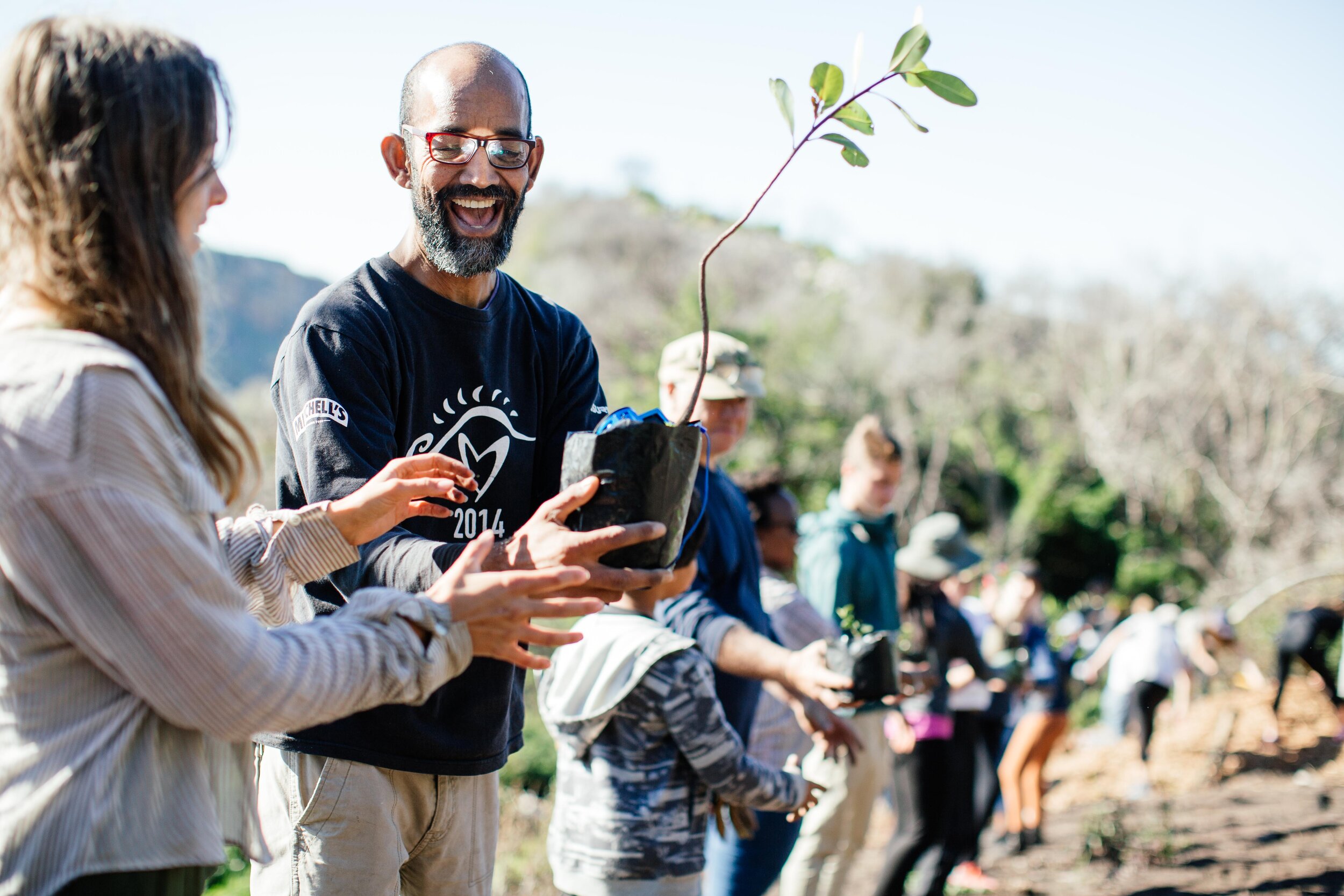
Photo: Juliette Bisset
Their Arbor Month campaign (in September 2019) resulted in 6813 trees being raised: spurred on and inspired by international research that highlights global tree restoration as our most effective climate change solution to date. You can follow them on Facebook, Instagram and Twitter. You can also Donate here and sign up to Volunteer here.
Thrive
Thrive is an organisation that strives to unite communities in Hout Bay through environmental awareness projects. They encourage every individual to make a difference that will benefit their community, enhance their lives and provide sustainable solutions to the issues threatening the environment. Thrive believes that together, we can impact the destiny of our nation by working to preserve our unique heritage. Our diversity is what makes us strong.
Sustainable Communities empowers Hout Bay communities through:
growing their own food using unutilised land and open spaces, while composting all organic refuse to enrich their compost and worm farms
fighting alien vegetation and restoring the natural environment to its pristine condition
recycling and upcycling waste and goods
water efficiency
energy intelligence
Cape Town Environmental Education Trust (CTEET)
CTEET is committed to increasing the environmental consciousness of local communities and support conservation initiatives by:
Conducting environmental education programmes for school children to encourage a passion for the natural world and support their knowledge and personal growth.
Running training and development programmes for youth in nature-based career paths.
Facilitating and managing the direction of funds towards conservation activities, largely in the Cape Floristic Region.

Through applying their Crèche to Career model, CTEET aims to expose as many Cape Town residents as possible to the wonders of nature, and create the platforms and structures for youth to pursue a career in the Green Economy.
CTEET strives to galvanise local communities, corporate companies, friends groups, developers and private individuals to take responsibility for the environment and care for Cape Town’s Biodiversity Network through their Nature Care Fund.
Find out how you can support CTEET here.
Attend
Sea Change Project
Sea Change Project is a community of scientists, storytellers, journalists and filmmakers dedicated to raising awareness of the beauty and ecological importance of South Africa’s kelp forest. They use media advocacy to protect the South African marine environment. Inspired by daily contact with The Great African Sea Forest, their goal is to have it declared a UNESCO Natural and Cultural World Heritage Site.
Craig Foster and Ross Frylinck founded the Sea Change Trust in 2012, a South African NPO. They support the call to sustainably increase South Africa’s marine protected areas (MPAs). My Octopus Teacher is a feature documentary that captures the story of Craig Foster’s year with a wild octopus. He followed this individual animal for most of her life – something that has seldom been achieved in the wild, let alone underwater. The film is due for release in 2020.

Well Worn Theatre Company

Well Worn Theatre is an established touring theatre company, creating award-winning work for young South African audiences around ecological themes. For over a decade, the company has been at the coal-face of Theatre for Sustainability.
With elements of hip hop, spoken word, movement and song, Burning Rebellion is an ecological protest poem that gives voice to a profound sense of injustice, a rightful rage, and a fear of what is to
come.
The play is aimed at Grade 11 and 12 learners and premiered at The National
School of The Arts Festival in March 2019, before starting a nationwide school’s tour.
SAFCEI
SAFCEI (Southern African Faith Communities’ Environment Institute) is a multi-faith organisation that supports faith leaders and their communities in Southern Africa. The goal? To increase awareness, understanding and action on eco-justice, sustainable living and climate change.
SAFCEI holds many events - most recently a Seed Swap to claim back practices of sharing diverse seed varieties and discuss some of the injustices within the seed system. The event was part of the Green Action Week campaign to promote sustainable consumption. It was held at the Phillippi Horticultural Area (PHA)’s campaign centre, and brought together farmers and home growers from around Cape Town.
Green Anglicans
Green Anglicans is an association of Anglicans concerned with environmental issues. The Anglican Church of Southern Africa’s Environmental Network (ACSA-EN) aims to support churches and dioceses to fulfil God’s call to be earthkeepers and to care for creation.

Image courtesy Green Anglicans
As part of the Love Cape Town City Fest, Green Anglicans joined A Rocha (Christians in conservation) and African Enterprise to ‘Sweep the City’, a clean up campaign linked with the Christian Festival in Cape Town. Clean ups took place in Mitchells Plain and Khayelitsha.
Work with
WESSA
WESSA (the Wildlife and Environment Society of South Africa) is a South African environmental organisation that supports high impact environmental and conservation projects. They implement effective environmental, sustainable tourism, education and youth development programmes throughout South Africa, and activate a wide range of local initiatives for the environment.

EEESAY (Entrepreneurial and Environmental Empowerment for South African Youth) is a WESSA partnership with Teach A Man To Fish. This intensely practical project provides 6,000 learners from 40 schools in KwaZulu-Natal and the Eastern Cape with an opportunity to gain practical business skills. The learners set up and run an educational and environmentally sustainable enterprise at their school.
Cullinan & Associates
Cullinan & Associates are environmental and green business attorneys. Their lawyers and professionals not only guide their clients through the environmental law landscape, they play a leading role in shaping it. They specialise in high-impact, precedent-setting cases that protect our constitutional rights, our people and the environment. Highlights include:
Winning the Maccsand case in the Cape High Court, in the Supreme Court of Appeal and in the Constitutional Court to set a precedent that enables municipalities to protect communities from mining in residential and other areas not zoned for mining.
Litigating on behalf of amaMpondo communities along the Wild Coast to prevent a toll road through their ancestral land that will divide their communities and degrade unique ecosystems without their consent.
Natural Justice
Natural Justice: Lawyers for Communities and the Environment is a young and fast-paced NPO specialising in environmental and human rights law in Africa. They offer direct support to communities impacted by the ever-increasing demand for land and resources, conduct comprehensive research on environmental and human rights laws and engage in key national and international processes.

They recently celebrated one of the world’s first industry-wide benefit-sharing agreements, which not only provides a form of restitution to the Khoikhoi and San indigenous peoples of South Africa, but also acknowledges them as traditional knowledge holders to Rooibos.
The Khoikhoi and San indigenous communities will now receive benefits for the use of this knowledge via a benefit-sharing agreement. This sets a precedent for indigenous communities across the globe.
The Heinrich Böll Foundation
The Heinrich Böll Foundation (HBF) is a Green Political Foundation who understand that ecology, democracy and equity are inseparable parts of a whole. The HBF Cape Town office has become a reliable partner for a range of organisations and networks in South Africa, Namibia and Zimbabwe. They act as providers of international contacts, observers and analysts in the region. Among the many campaigns that HBF has supported in close cooperation with partners are:
The first industry-wide Benefit Sharing Agreement between the Khoikhoi and San communities and the South African Rooibos industry,
The Silicosis Class Action Settlement for thousands of former mineworkers who contracted pulmonary tuberculosis or silicosis on South Africa’s gold mines, and
The Philippi Horticulture Area Food and Farming Campaign that seeks to protect the Philippi Horticultural Area from developers and sand mining and declare it as the country's first protected agriculture area.
It’s up to you to which environmental initiatives in South Africa to support, and how. What is not optional - for any of us - is to join together in acknowledging and addressing the climate crisis.
Is anyone missing from our list? Pop us an email at hello@treeshake.com to let us know, so that we can continue celebrating South Africa’s top environmental organisations.

How marketers can use data to shape beliefs and influence action
We all know advertisers on the internet are stalking us, but Kirk Grogan shows us that marketers now have the power to change not just our buying behaviours, but our beliefs. Grogan argues that we’ve passed a point of no return and the same technologies used to guide us to buy our favourite sneakers can (and are) being used to mould and recruit extremists.
What if you are the way you are, and you take the actions you do because of strategically placed ads and articles online? What if your behaviour is being modified without your conscious knowledge?
We all know advertisers on the internet are stalking us, but Kirk Grogan shows us that marketers now have the power to change not just our buying behaviours, but our beliefs. The key is in understanding how aggregated user data can be used to group people into predictable stages in the persuasion journey.

We are all being stalked, and we know it.

You shop for a pair of shoes online and for the next several weeks, ads for brown tassel loafers follow you across the internet. Well, if you're my grandfather it’s the loafers... for me, it was a pair of Chuck Taylors.
We're sophisticated enough to know that this type of cyber stalking sneaker ad has something to do with ad tracking, big data and maybe even A.I., but what made you feel the need to buy a pair of brown tassel loafers in the first place? Just preference, right? You needed new shoes, you know what you like, what colours would go with your wardrobe - so you picked those.
Are you sure?
What if I told you, you were groomed step-by-step to prefer and purchase those exact shoes, from that exact website, and that those same grooming techniques could be used to make you commit atrocities.
I'm not paranoid. I'm a marketer.
Consumers don't fear that their data is being aggregated because consumers don't understand how it can be used to manipulate them, to groom them and to change their behaviour. The average consumer is likely to believe they are a unique individual with unchecked free will, and that there is nothing particularly special about them that would be worthy of tracking or collecting. From a digital marketing perspective, however, all of these assumptions are false.
As consumers, we are not unique. While each individual may have their own quirks, constant and pervasive collection of data has allowed us to place them into a group of thousands or millions of others with similar traits and beliefs.
It's these very similarities that allow marketers to review what worked on consumers in the past, and then guide new users onto that same path. No free will required. My job entails advising billion dollar corporations how to most effectively guide their customers through these steps, and despite this, I myself don't have the free will to resist. I literally do this for a living and I still buy products I see in online advertisements all the time.

Image: dirkcuys
Here's what's happening behind the scenes: Tracking, Prediction, and Behaviour Modification.
Tracking is constant, and honestly the easiest. When I say constant, I mean it. It isn't only what website you went to or came from…
It's how far into every video you watch. It's from what device It’s where you were when you opened every email. It's who you're around in real life.
If every person reading this gave me only their grocery list for the next 60 days, I can most likely give you scarily accurate information about you. Maybe I can tell you what your work schedule is or that you're prone to taking risks, or something as simple as you're attempting your third diet this year - a keto vegan diet perhaps.

We track until we can predict. While online data collection has made predicting easy, prediction itself is old news. Way back in 2010 using only shopper loyalty cards, retailers could track consumers purchases so well that they were able to determine the likelihood of a woman being pregnant - before that woman knew she was pregnant herself.
Think about that. Our data trail can spoil one of our most intimate and celebrated discoveries. But how do they do that? While pregnant women tend to develop a unique shopping pattern, their bodies begin to reject certain smells, driving them to scent free lotions and creams. They also crave certain vitamins and minerals to help the developing babies. The mother doesn't have to consciously shop for these products, human biology demands it. While individuals might not recognise these patterns, when millions of data points are grouped together, the conclusions become increasingly obvious.
Every major corporation that collects your data knows that secret. The more data you have, the better. The better you begin to understand everything your consumer does, the more accurately you can predict the most effective methods to sell them products.
If you're the first company to know that a woman is pregnant, you stand to gain a customer who, for 18 years, will now be shopping for a family.
Okay, so data can be used to track us understand us, maybe better than we would like but that's not an issue right? Companies know who I am and they serve me related products. Sounds nice, actually. It removes the burden of me having to find the products I might love to buy.
Here's the problem:
What if you are the way you are, and you take the actions you do because of strategically placed ads and articles online? What if your behaviour is being modified without your conscious knowledge?

You know the social media quizzes that determine what kind of dog you are, or find out what type of wine you would be? You know the type: Becky's going to share on social that she's a pinot noir because “she can doll herself up or dress casual, making her the perfect wine for any situation”. Or maybe “you're a rosé because you live for a Summer patio!”
To the marketer it doesn't matter what wine you are, it’s the 10 non wine-related questions you just answered that are being compared to the rest of your data to figure out what group of consumers you're most similar to.
You give off data every moment. It isn't only from the search engines and the social media platforms that you use; those are just the easiest methods to track you. Just by attending an event like, for example, a local TEDx, you're transmitting data. I can find out how much a ticket to the event costs and I know the opportunity cost - I know what else is going on in the surrounding area.
So I can begin making assumptions:
Most people in at a TEDx event are middle-class or above, have a predisposition to learning or disruptive thoughts. They're most likely an extrovert who enjoys mingling with large crowds (or they would have just watched the video on YouTube). They value being early adopters or the first to conform to a new idea or way of approaching issues. So, if I had a hypothetical client who was selling, say, an arm patch to reduce hangovers, I might create something similar to this.
A sales funnel:
It highlights the steps I have to take to guide or funnel the audience members here to my goal of buying my client’s patch. Group TEDx starts with the nearly 3000 people at the event, highly social, intelligent extroverts with disposable income, who like new things.

Step one is to qualify, so I'm going to filter by age first.
Then, I might hire influencers, who other TEDx groups follow on traditional or social media, to make you aware of my brand by posting or advocating for my hangover patch.
Then I'll compare everyone who engaged or clicked on that influencers post, and I'll pay your favourite bloggers to review my patch and link back to my website.
I'll track every person who came to my website and pay for a Facebook Ad to ask you for your email in exchange for my 10 guaranteed tips, to get a hangover ebook.
I'll compare everyone's email who subscribed to the upcoming public Facebook event called Seattle bar crawl. I'll schedule three emails to go out to you at intervals leading up to the event, each offering a larger discount on my hangover patch.
And voila, a few of these emails will lead to sales.
Now I'll go find a new event or demographic and I'll go through the whole process again.
Bonus points:
Due to the many apps on your phone that know where you are at all times, I have the ability to know where you visit frequently. I email my B2B sales team and they go sell 50 boxes to the local 711, knowing that all of you are likely to be hungover in that area. It can sound complicated and don't worry if you didn't follow all the steps, just know that these things are intern level tracking and marketing.
Consider this:
Using methods I've mentioned, researchers at Cambridge University were able to understand an individual’s personality better than his own family members could after analysing just 150 likes on Facebook. They could understand that subject’s personality better than his or her spouse could after just 300 likes.
More importantly, companies with this information know how to make you engage with different products and ideas. They know what makes you sad, what ignites the fire in you, what your vulnerabilities are.
Because that's what we do as marketers, isn't it? We manipulate. We take a product you most likely don't need and may never even use and we manipulate you emotionally to believe it's something you have to buy. This usually seems harmless, but what if these tactics aren't used to sell you shoes, but beliefs.
Let's look at that sales funnel again:
Here's a sales funnel I created after reviewing documents and first person accounts of western-educated ISIS recruits. The strategy is the same.

We look at our existing customers and review their data to find other groups online that qualify as our target group.
Then we expose them to our products and ideas through well-known individuals.
Next, we might share information with them through multiple sources they already engage with or trust.
Slowly, we drive them to echo chambers in the form of websites, forums or social media groups that other potential customers and recruits are in.
Finally, we're moving towards personalising a message to them, and we personalise this to make them feel like this idea was exactly what they were looking for, or they needed.
And they're ready to buy a product, or perhaps fly to Turkey so they can illegally cross into Syria. But every recruit was certain they made the choice to join — just like my Chuck Taylors.
Just like in 2016, when liberals and conservatives alike were targeted with millions of dollars of advertisements from a foreign nation. Just like today, as our political and racial divides grow wider.
A moment has quietly passed in society that is desperately important.
This moment was when a small number of humans realised that, by compiling massive amounts of data, they could proactively and intentionally shape our beliefs.
They discovered they could funnel consumers to a goal and mould them along the way to behave like the ideal customer, or activist, or citizen, or extremist.

Nothing I've mentioned is what's upcoming in the distant future or what might occur as a possible eventuality. Everything I've discussed are things I have personally done for clients and I guarantee I'm not the smartest marketer out there. Even the brightest people are not immune to digital manipulation, and peace can't be reached by deleting yourself from the digital world.
What we really need is open dialogue and a collective understanding of how these tactics have divided us - and how we can reconcile those differences.
It requires we all recognise that individuals who are neither elected, nor removable have the capability to alter and impact our daily lives. Most importantly, it requires we recognise that every single one of us, and our beliefs and thoughts, may not be as uniquely ours as we would like to think.
I want you to recognise one thing:
Your data is valuable. It is valuable as a consumer, as a voter and as a human. If you need proof, try to find a single person in your life has never seen an ad on Google or Facebook. If you can't, it's because companies find all of your decisions valuable.
Your data is quite literally your life story, and I sincerely hope that you are the only author crafting that narrative.

Kirk Grogan is a marketing and sales strategist in Seattle. After witnessing how people in different countries receive drastically different news and information, Kirk began to see parallels with the world of data marketing. He now consults with Fortune 100 companies, where he coaches and leads marketing teams to develop conversion testing methods, and teaches them how to engage with potential customers in an organic environment. He has developed multiple unique strategies that are currently implemented across the business world, helping brands connect and build loyalty with consumers.
This is an extract from a 2019 talk delivered by Kirk Grogan entitled “The dark side of our personal marketing data” delivered at TEDxSeattle, published under a Creative Commons Attribution License

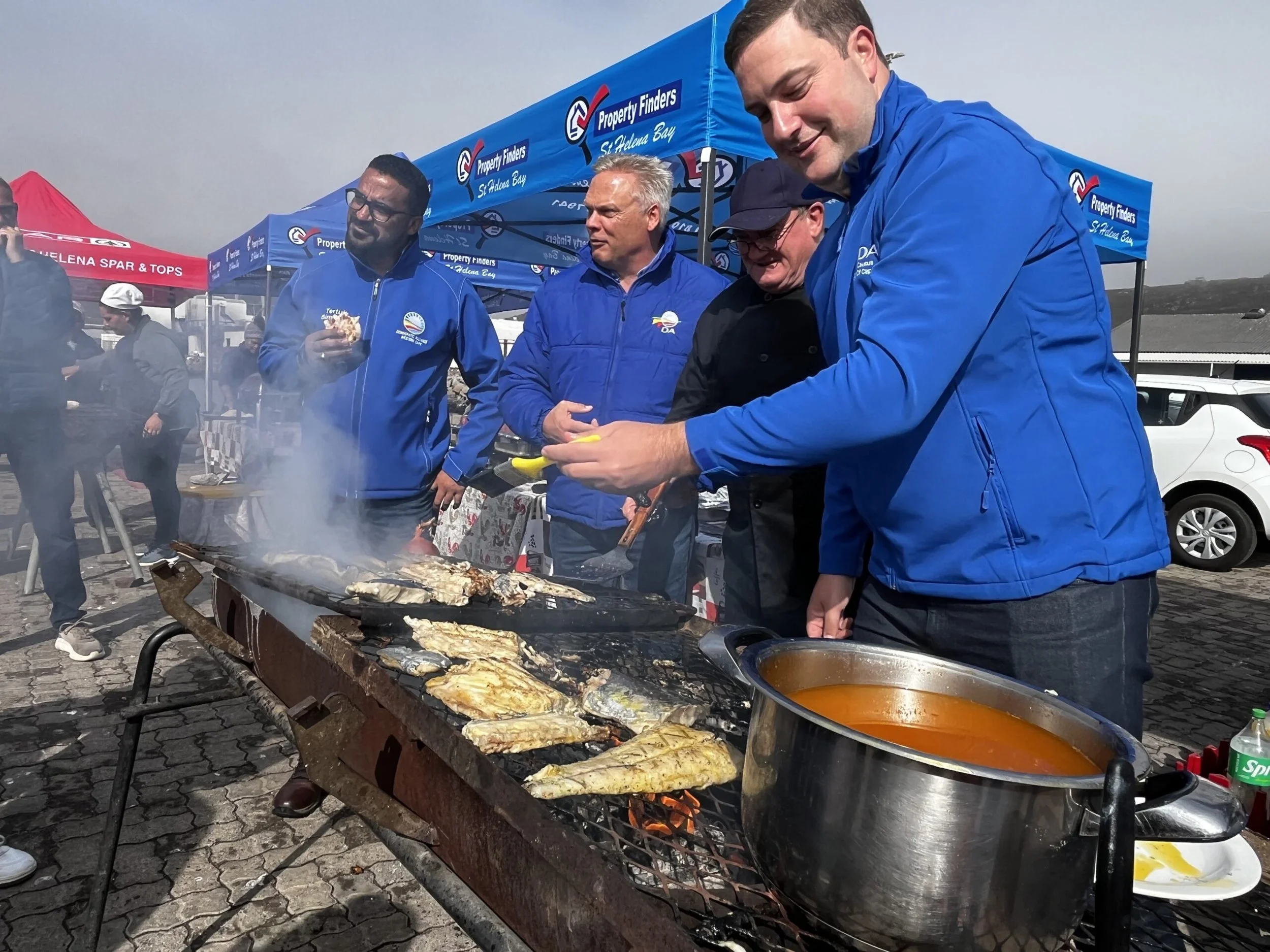


Mobilisation arises when People, a compelling Story, and clear Action intersect. Each element alone is incomplete, but together they inspire engagement, purpose, and movement toward meaningful change.