
What "The Father of Modern Advertising" Can Teach Us About the Future of the Ad Agency Business
With so much changing about the advertising business, it is sometimes useful to go back to the origin of the industry to discover what has remained through all the changes With so much changing about the advertising business, it is useful to go back to the origin of the industry to discover what has remained through all the changes to discover the timeless value proposition of the industry.

With so much changing about the advertising business, it is useful to go back to the origin of the industry to discover what has remained through all the changes.
The most recent "Under the Influence" podcast featured Albert Lasker, "The most interesting adman in the world" (and early leader of what was to become FCB).
I loved this anecdote:
One day [Albert Lasker] was sitting in his offices, and a secretary handed him a note that said:
"I am downstairs in the saloon. I can tell you what advertising is. I know you don't know. If you wish to know what advertising is, send the word 'Yes' down with the bellboy. Signed – John E. Kennedy."
Lasker was intrigued and sent the word 'Yes' down to the saloon.
Kennedy was shown into Lasker's office.
He was a strapping 6-foot tall, ex-Mountie who used to write ads for the Hudson's Bay Company.
When Kennedy asked Lasker if he knew what advertising was, Lasker said, "I think so. It's news." [news is perhaps what we'd call storytelling]
Kennedy said no, news was just a technique.
The secret to advertising, Kennedy said, can be summed up in just three words:
"Salesmanship in print."
Those three words would change the advertising world forever…
"Salesmanship in print" was an epiphany to the advertising world in 1904.
What's today's equivalent of "salesmanship in print"? Perhaps considering the proliferation of channels we could call it "mediated salesmanship".
What is the timeless value proposition of the ad agency business?
Lasker's most successful campaigns seem to have something in common: a fresh perspective on an existing product, based on a consumer insight. For example:
- from selling oranges to linking "Drink an Orange" to the breakfast ritual
- from puffed wheat to "cereal shot from a gun"
- from birth control to "Planned Parenthood"
- Kleenex napkin (for wiping off make-up) to a "Disposable handkerchief"
This isn't storytelling per se, it is more about a creative perspective on the product. What we do is give consumers a different story about a product. And this enhances their experience of the product. This is perhaps a shift from story-telling (you tell the story), to story-making - where you offer a perspective, or do something, that gives people a new story to attach to a product or experience.
This is pretty much what advertising agencies still do. So what else hasn't changed?
- Results: no matter what, clients want results, usually sales.
- Persuasion: it needs to change behavior in some way. It needs to be convincing.
- Emotion: drives action & memorability
- Attention: clients want to be noticed.
- Relevance: the work must be relatable and relevant to the target audience
- Insight: great work is always based on an insight into human psychology of the target
- Efficiency: clients will always want to pay less for more, and faster
- Recognition: clients will always want their brand to be more recognised
- Timing: when people see the ad, and the timing of the campaign in relation to whatever else is happening in the world is always going to be important.
If we innovate in service of these values, we will thrive. Marketing today still requires creative perspectives and brilliant copywriting, but is also informed by user experience design, behavioral economics, smart targeting (e.g. Google Adwords and Programmatic), and machine learning (smart recommendations and adaptive offers).
What are the other timeless truths of advertising or your aspect of the business (whether production, or print, or traffic, or strategy...). Our world is changing fast! The practices change, the principles remain.
How To Build A Movement For Change That Lasts
The world needs an upgrade. Here’s help you’ll need to build a transformative powerhouse that will help make things better, and go the distance.

#Run4Water campaign Treeshake managed earlier in 2017 (Photo by Kelvin Trautman)
Environmental crises. Climate change. Poverty. Drug addiction. Homelessness. Unemployment. There are more than enough reasons to build a social movement for change. But how do you create a transformative powerhouse that does real good and lasts for the long term?
Five local and global change makers offer ten insights to show you how to change the world using the power of human networks.
“My name is Suzanne Smith and this is basically the house where I live. In this house we used to sell drugs. We used to keep a lot of guns in this house. We were part of the Americans Gang because we sold drugs for them.” A single parent of two boys from the Cape Flats, Smith always dreamed of becoming a lawyer, but this goal faded after she got involved in local gangs. “I didn’t have any direction in life,” Smith says, adding: “It just felt like my life is over.”
Smith’s life was transformed at Reconstructed Living Lab (RLabs), a movement for change-cum-social enterprise situated in Athlone on the Cape Flats. We asked the founder of RLabs, Marlon Parker, to share 10 principles that RLabs uses to help break the hold gangs and drugs have over some individuals:
1. Embrace Your Members
“When people come through our doors we accept them for who they are. Nothing else matters. We don’t see where the person is at, and judge that. We look at where the person is going,” says Parker. Acceptance is powerful, and at RLabs this sense of belonging not only helps individuals to change, but helps them to break away from violent gangs.
2. Don’t Just Inspire. Enable
It isn’t enough to inspire — a movement for change must be transformative. “When you want change you must create environments for people to take the next step, to go where their aspiration takes them,” Parker says. “It is not just about getting people fired up, it is about using that fire to create forward movement in a person’s life.”
Research shows that it is important to appreciate that a movement for social change is a human network — what Yale’s revered sociologist and physician, Nicholas Christakis, describes as “living, breathing entities that reproduce, and that have a kind of memory.” Christakis, the author of Connected: The Surprising Power of Our Social Networks and How They Shape Our Lives [with James Fowler], says human networks are “very difficult to understand”. In an interview with Wired Magazine he reveals the rules he’s discerned about how human networks work:
Rule One: “We shape our networks.” Christakis says that we literally create the networks around us.
Rule Two: “Where you are located in the network has significant implications for the experience you have in life,” he says, explaining that as humans we’re affected by what is going on around us.
Rule Three: Christakis says our friends affect us.
Rule Four: And this is where it gets interesting. Christakis has found that in human networks there’s a domino effect or what he sometimes refers to as “social contagion”. Not only do our friends affect us, “but our friends’ friends’ friends affect us” he says, adding: “Things ripple through the network”.
Rule Five: “The network has a life of its own,” says Christakis in Wired.
“When you start focusing on Nicholas Christakis’ ground breaking work on human networks you start to get an appreciation about just how careful one has to be when choosing the people and practices you employ to create a successful movement for change,” says Dave Duarte, CEO of Treeshake, educator and social entrepreneur.
3. Individuals Influence Each Other, And The Network
“What Christakis’ research reveals is surprising. Who you are friends with and spend time with will even influence aspects of yourself that you may think of as being your individual identity,” the CEO of Treeshake says. “Our networks, and our places in them, can affect our happiness and could even influence our weight. The epiphany is that who you spend time with helps shape who and what you are, and will influence your human network’s outcomes.”
4. Powered By Purpose
Given the complexities of human networks, Duarte says the best way to start building one is to keep a big picture in mind. “Go for small wins in the beginning, and remember that relationships are built one interaction at a time. But before you set out, the very first question you’ve got to ask yourself is: “What is my purpose?” Don’t get distracted by technology or social media tools. Distill your ‘why’, your reason and understand your purpose. This will take you far in the long run.”
5. Face To Face Beats Facebook
“At the start, meeting physically is vastly superior to meeting virtually,” says Duarte. “I don’t think there is anything we have that matches what happens when people meet in person. There is so much more information that is communicated in a physical context,” he explains. “More information means you can create deeper understanding and trust,” Duarte says.
Real world rituals and routines are a ready part of Gina Flash’s social change toolbox. Flash is the founder of a movement for social change with reach across South Africa called Mensch. A human network that mobilises positive social activism, Mensch has flourished since it was founded in 2014.
6. Create Relevance in People’s Lives.
“Creating a movement for change that thrives means understanding what’s important to the people in your movement. It is a conversation, so at Mensch we listen as well as talk,” says Flash. What’s been critical to the Jewish social change organisation Flash runs is listening deeply, doing regular benchmarks and surveying people to find out where they’re at and what they need. The founder of Mensch adds: “Don’t forget to be cognitively kind. People are busy so you don’t want to cause them more work — you want to add more value.”
7. Great Movements Are Multi-Generational
Both Flash and Parker embrace diversity of age. While gang violence is predominantly a youth problem, Parker actively seeks older members of the Cape Flats community to be part of his programme. “Our organisation is built on a family model, because the people who come to us more often than not come from broken homes. Older folk know a lot. In the Cape Flats they’ve seen the destructive cycles and this becomes the baseline we build on.” At Mensch, Flash says older people are part of her network because they can offer profound insights and have the experience that makes them perfect mentors.
8. Deep Connections Create Change
“We teach people how to network, so they get the best out of our events. We use different tactics like speed networking, to get people to know each other and trust each other,” says Flash. The Mensch Founder says this opens people to opportunities. “The more people understand who is in the network, the more people understand the reasons to connect. The more people connect deeply the more they can help each other and enable work that creates social change,” Flash says.
In Grahamstown, Admire Mare is a Global Excellence in Stature Postdoctoral Research Fellow at Rhodes School of Journalism and Media Studies, who reveals a key insight about building robust social movements for change.
9. Real World Builds Capacity
In his research Admire distinguishes between two types of movements. “What we see with social media is that we have social media enhanced movements that exist offline, but which champion their causes online,” Mare explains that these include the likes of the #FeesMustFall movements. “Then there are social media movements that start online and try to go offline. Some of these movements make it, others don’t,” he says.
“Social movements that start offline are good at capacity building, and creating trust between members, and because of this they have longevity. Online what we see is that people support movements, but the reason why they do this isn’t always apparent and these audiences can be fickle.” Mare advises that if you want to build a sustainable movement for change it is better to start offline and work to build capacity and trust. “It is very difficult to measure commitment online or to discern whether support is click activism. I am not saying that digital movements aren’t important, you just need to be aware that people aren’t always as committed online as they are when they turn up in real spaces.”
10. The Value Of Values
Never underestimate the power of organising with people who share the same principles. Says Duarte: “Shared values means that you can shortcut later conflicts about moral issues, because if you share the same principles with the people in your group you’ll have a basic moral compass in place. Remember that there’s a big difference between identity and values, so even if you are in a group that’s gathered around a similar identity, the values of the people in the group won’t necessarily be aligned.”
Read more:
- Nicholas Christakis: Does This Social Network Make Me Look Fat? In Wired
- What really motivates people to rally around a cause in Fast Company
- Koketso Moeti on creating a platform to fight injustice at Destiny Magazine
WATCH:
- Derek Sivers - How To Start A Movement
- Nicholas Christakis - The hidden influence of social networks
- Zeynep Tufekci - The fickleness of social media groups
Resources:
- Transforming Organisations by Robert Gass [Pdf download]
- Creating Grassroots Movements for Change: A Field Manual [Pdf download]
- Building a social movement for change - The Beek Centre for Social Impact and Innovation
Follow our interviewees on Twitter


Other Articles


Treeshake is an education, consulting and communications company that connects organisations to change. All our articles are made available for republication, usually under a Creative Commons [CC-BY 4.0] license. You’re welcome to republish this article, but please attribute Treeshake and link back to www.treeshake.com/.
Which News Media Can You Trust To Tell The Truth?
We have arrived in the post truth economy where the news media is facing a crisis of confidence. We spoke with 13 leading thinkers in the media space about rebuilding trust in the media.

Rudy Nadler-Nir is not the kind of person you’d expect to share a fake news story on Facebook. An anthro-geek, Nadler-Nir’s been in the digital sector since it was born, and his resume boasts names like Ogilvy. But late one night the social media reputation man saw a news item about actor Eli Wallach dying. A fan of the method actor who starred in ‘The Good, The Bad and The Ugly, Nadler-Nir clicked share.
“People started to respond emotionally. We shared memories of his movies, and of his place in our Cowboy-worshiping childhood,” he relates. But Wallach had been dead for quite some time. “Someone on my timeline chirped in: “he died in 2014”. It felt like being hit with a bucket of cold water.”
“a fake news story wiped out $4billion of a company’s market value”
Fortunately the only harm done was to Nadler-Nir’s ego. But in the post-truth economy, there’s a lot more at play, like national elections or the safety of foreign nationals. If you shared the mendacious story ‘Pope Francis Shocks World, Endorses Donald Trump for President’, as close on a million people did, you helped to get Trump elected. Closer to home, the sharing of fake news has caused outbreaks of xenophobic violence in South Africa. Why just a few days ago a fake news story wiped out $4 billion of a cryptocurrency company’s market value.
But, how did we get here?
We have arrived in the post truth economy where the news media is facing a crisis of confidence. “Trust in media has been eroded by two main factors. Until the arrival of the internet, traditional media was the only way to reach large audiences. The only voice was a trusted voice. Now media users have other authoritative sources of information, such as experts who write their own blog pieces,” says Anim van Wyk, Editor of Africa Check, that rightly declares on its site: “For democracy to function, public figures need to be held to account for what they say. The claims they make need to be checked, openly and impartially.” Africa Check is an independent, non-partisan organisation that does just this.
“The second reason is also related to the internet,” van Wyk adds. “Newspapers suffered a huge income blow with the arrival of online advertising. The result is a huge cutback in newsrooms and an even greater focus on content that will sell/gain clicks. With fewer people doing more, mistakes are bound to slip in more often.”
“news is no longer perceived as the truth”
Azad Essa, co-founder of @thedailyvox and a journalist at Al Jazeera agrees. “The obsessive focus on profits has seen accuracy relegated to second place,” he says, adding that the way people perceive news brands has changed. News is no longer perceived as ‘the truth’. “Today people think of the news as just another product, like a cup of coffee or slice of cake. It is not delineated as something different that has a moral compass.”
What exactly do South Africans think of the local news media?
Twitter offers insight. Here are some of the less-than-favourable views:
What does the research say?
But revelations of paid and fake Twitter accounts means accurate crowd insights from the social networking service proves tricky, so let’s turn to research. In 2014 FutureFact did research on whether journalists were trusted more than politicians. The results? “76% have confidence in our journalists,” the researchers wrote at futurefact.co.za “This is not unequivocal as only 23% have complete confidence and 53% some confidence.”
Compare this to the US, where trust in the news media is worryingly low. Gallup reports that Americans' trust and confidence in the mass media “to report the news fully, accurately and fairly” has dropped to its lowest level since the research company started polling. 32% of Americans say they have a great deal or fair amount of trust in the media, down eight percent from last year.
So which news media can you trust to tell the truth? That’s something you’re going to have to determine for yourself, using a healthy dose of skepticism, burgeoning curiosity and the will not to take anything at face value. To help you on your way, study Africa Check’s guide on how to stop falling for fake news. And read the advice from SA's media experts.
advice from some of SA’s best news minds & media pundits.
ALASTAIR OTTER (@alastairotter)
Alastair Otter, a partner in the Media Hack Collective : “When you see a story that sounds incredible, look for a second or third source to determine if it is true. Visit the sites of known reliable publishers and check if they are also covering the news. If they aren’t then be wary. Not finding a second source for a news story is not an absolute indicator that the story is false, but more of a caution.”

Azad Essa (@azadessa)
Azad Essa, Al Jazeera journalist and co-founder of The Daily Vox: “Fake news has always been with us. The world’s always been filled with con men. Stop pretending that people are going to spoon feed the truth to you. You have to take charge. The internet gives you the space, information and tools you need to really take charge. You have to wise up and follow the money.”

Charl Blignaut (@sa_poptart)
Charl Blignaut, writer, journalist and pop culture critic at City Press: “The antidote is a return to old school journalism, following and reading established journalists who operate under the press code, who refuse bribes, who are not friends of click baiting.”

Gayle Edmunds (@GayleMahala)
Gayle Edmunds, managing editor of City Press: “If everyone read everything with even just a pinch of skepticism it would be a giant leap in putting a stop to the rapid spread of lies on social media.”

Glenda Daniels
Glenda Daniels, Senior Lecturer Media Studies, Wits: “Pause and take a moment before pressing the retweet or repost button if the news is sensational or sounds like it could be false. Don’t become part of the vicious cycle.”

Jane Duncan (@Duncanjane)
Jane Duncan, Professor of Journalism, University of Johannesburg: "Sweatshops don’t encourage ethical journalism. We must give journalism the space to practice ethical journalism, which relates to fair labour rights. So much is produced by freelancers who are badly paid, if they are paid at all. Fair labour rights create an environment where journalists can adhere to ethical standards.
A happy newsroom can lead to a newsroom where journalists invest more time, effort an energy into stories. Journalism then becomes a vocation, rather than just something they do to put food on the table. We need to create environments where journalists will stay longer and give more. We are not having a discussion about what media organisations need to do to create ethical environments for good journalism. We need to do this."

Kanthan Pillay (@KanthanPillay)
Kanthan Pillay, Group Head: Online for E Media Holdings and former CEO of Yfm: "Toss out the adjectives. Journalism is about fact, and adjectives are about opinion. So when you see the word “controversial”, read no further. It’s controversial only because the journalist is lazy. If you strip off the adjectives you see the facts, and you can start ascertaining what the truth is. Obviously ensure that the news stories you consume have a multiplicity of credible sources."

Mahlatse Gallens (@hlatseentle)
Mahlatse Gallens, political editor of News24: "Online many fake news peddlers often try brand themselves similarly to established news organisations. For instance they would use the colours of News24 but change the name a little. At News24 we advise people to double check the sites they go to. On big stories - like the recent fake story of Desmond Tutu passing - remember that if other media houses don't cover the story this should act as a warning bell. In general South Africans critique everything they read. This is very welcome. Use this attitude, but double check the sources of all information. Go and find the original documentation or sources of stories. For instance go and read the Gupta emails yourself. Don't make click baiters and fake news peddlers rich. Remember using social comes with responsibility and you don't want to run foul of the law when it comes to sharing information. Take responsibility for what you share."
Rudy Nadler-Nir (@RudyN)
Rudy Nadler-Nir, MD at DIGIACS, Reputation Observation and Analysis Specialists: “As a rule of thumb, I differentiate between “reliable media providers” (BBC, Reuters, AP, Washington Post, The Guardian, Haaretz, Al Jazeera, News24, M&G [Mail & Guardian], Daily Maverick, Eyewitness News) and the rest. I use news aggregators (Flipboard and Feedly, as well as Google News) so I am able to corroborate news that seems not so kosher. Lately I am less trusting of friends and colleagues on Facebook and, to a lesser extent, Twitter. If news breaks on Twitter or Facebook (for example, the massacre at the Manchester Arena), I check through my “reliable media providers”, to see if anything came through.”

Siki Mgabadeli (@sikimgabadeli)
Siki Mgabadeli, financial journalist at Moneyweb: “The first thing is to check the source - is it an established publication? Is it one you’ve known for a long time and has journalists you have trusted? Are the people posting stories actual journalists? If not, then who do they represent? Are there vested interests at play? Before sharing an article, see if it’s something that’s been quoted elsewhere, by a reputable news organization. Who is sharing it is very important. Most times, you can work out a person or platform’s agenda by looking at what else they’ve shared and their political/ideological leanings. Check everything before you share.”

Thapelo Lekgowa (@Thapelolekgowa)
Thapelo Lekgowa, photographer, researcher and former journalist who helped to break the Marikana Story: "It is always best to be skeptical and to build your own view on issues. The people that I know phone other people to verify news, so if there is a story in Bloemfontein they'd phone someone in Bloemfontein. If you want to know something go directly to the source of the story where you can. If I want to know something about the ANC I'll go and have a drink with an ANC member in our local bar. People don't trust the national news media, but trust community journalism and reporting which happens through social media more. The traditional new media don't carry local news that are relevant to the people in most cases. The news media chooses what matters to the news media which is why people have lost trust in the media. The news media no longer carries stories that matter to the people."

William Bird (@Billbobbird)
William Bird, Director of Media Monitoring Africa: “Don’t trust social media. Click through links, and ensure that stories link through to news headlines at a credible site. Make sure that you consume a diversity of news content. The reason for this is important. If a big story is going to break, it will be carried by a range of media. Diversity allows a better and different picture and encourages a greater level of skepticism of stories that appear, that don’t fit the dominant narrative.”
Resources:
A Fake News Primer via Wits Journalism & Media Studies
Africa Check’s Guide on how to spot fake news
Menell Media Exchange is a project of Duke University, one of the world’s premier academic institutions. #MMX17 will bring together leaders in the media to discuss Truth and Trust in Media.

13 South African Change-Makers on Why We Need #Internet4all
South Africa is coming to terms with news that it has slipped into a recession, and faces record unemployment, but the roll out of Internet For All by 2020 could prove to be the boost this country needs.
South Africa is coming to terms with news that it has slipped into a recession, and faces record unemployment, but the roll out of Internet For All could prove to be the boost this country needs. 52% of SAns use the internet. Getting those still unconnected online by 2020 would be just what SA needs, say economic, business and civic leaders.

“I wouldn’t have the career I have, or the business that I run if it wasn’t for the internet,” confesses Zibusiso Mkhwanazi, CEO of AVATAR Investment Holdings and AVATAR360 Group. The thirty-something co-founder of South Africa’s biggest black-owned advertising agency, Mkhawanazi says that when he first got involved in business at the age of 17 he learned everything from the internet. “I was 15 when I first accessed the internet, and it changed my life,” he says, adding: "I failed grade one and was once perceived as stupid.”
“#Internet4All should be a human right because it will not only improve the economy, but uplift the lives of those who most need help”
“The internet is empowering whether or not you’re the product of a poor education system. Access to the internet bridges education gaps, but it does a lot more. The internet can connect you to the global economy, build entrepreneurs, get people upskilled for employment, create access to markets and teach people how to run a business. Because of the socio-economic advantage it offers, access to the internet should be a basic human right,” he says. Mkhawanazi’s success story is a testament to how bridging the digital divide delivers growth to individuals. Importantly, it shows why Internet For All will be a SA game changer.
During the World Economic Forum on Africa in Durban in May 2017, the Ministry of Telecommunications and Postal Services, together with local and global multi-stakeholders announced a partnership to connect 22 million unconnected South Africans to the internet by 2020. Called Internet For All, the campaign promises to address barriers to connectivity by making the internet accessible, pervasive and affordable.
Economists, business leaders, academics, students, social and civic leaders say #Internet4All should be a human right because it will not only improve the economy, but uplift the lives of those who most need help. They urge South Africa’s youth to own #Internet4All, saying it would be a catalyst for economic growth, development and empowerment:

Alan Knott-Craig - Founder & CEO, Project Isizwe. Chairman of HeroTel. Telecoms, media & IT entrepreneur
“If we don’t deal with inequality in our country we won’t have a country. The internet is the easiest way to deal with inequality which is why I support #Internet4All.”
Arthur Goldstuck - SA internet guru, author, researcher and digital analyst at World Wide Worx
“The internet is the most empowering platform that the world has ever known for individuals to be enabled in almost every aspect of human endeavour from learning to job seeking, to opportunity creation. This before we even get to the internet’s social and communication benefits.”
“#Internet4All would help realise the building of skills to qualify people for new jobs, contribute greatly to job seeking and would help people creating businesses so that can potentially can become job creators themselves.”

Ayanda Kota - Founding Chairperson, Unemployed Peoples' Movement
“The internet changed my life because when you build a movement like the Unemployed People’s Movement you must connect with your community, and connect with people who have similar struggles outside of your country. This is how you organise and learn. I’ve been able to do this because I have a smartphone and internet access.”
“The internet gives me access to resources, books and information that without the internet would be very expensive. Imagine if everyone had internet access?”
“Communication in South Africa is damn expensive. It is ridiculously expensive. Free #Internet4All would change this, and impact positively on people’s life. It would definitely help unemployed people.”

Christine Ngwenya - 19 year old student at the Nelson Mandela University
“If it wasn’t for the internet and an online maths programme, I would never have gotten into university. My maths mark was really bad. If you want to do a B.Sc you need to have passed maths with a high mark. That’s the admission standard. I went to the maths programme in Diepsloot and the result was that I had a radical improvement in my maths mark. I improved my maths mark by close on 40%.”
“I think everyone should have access to the internet. The internet is important, particularly when you’re learning. If you’re given a task that you don’t understand, or a concept you don’t know, you can easily go and Google it. It is easy to find the information you need online. Without the internet you can’t find it.”
I have lots of dreams. I want to do my honours. I want to specialise in epidemiology - the sciences of diseases.
“I have always been a curious person and I use the internet for everything that I do. The internet is incredibly helpful to me in my studies. If I didn’t go to university I would be living with my Aunt in the Free State doing nothing. I would just laze around and would have eventually gone to look for a job.”
“I think of my peers who didn’t do the extra maths classes. They are all staying at home. There is only one person who didn’t do the extra maths who managed to get into university. But all the people who went to Olico are in university. Two are in UJ. One at UKZN. One at the university of the Free State.”

Daniel Friedman aka ‘Deep Fried Man’ - Musical Comedian
“Data is expensive and wifi usually comes at a price. And those in rural areas don't necessarily have internet access so it would be great if this initiative gets all South Africans connected. It could potentially be a game changer for those who see internet access as an unobtainable or unaffordable luxury.”
“Access to the internet means access to information, and that's something that all people should have equal access to!”

Gus Silber - Journalist and Social Media trainer
“The Internet serves a far greater purpose than the connection of individuals and communities through the miracle of digital technology. Internet access should not be a luxury for the privileged few. It should be seen and implemented as a basic service, as vital to a functioning democracy as water, healthcare, housing, and education. It makes absolute sense to make the Internet accessible to all in South Africa, because the Internet is a weapon, mightier than the sword, in the fight against poverty, unemployment, and isolation from the possibilities of a brighter, more enlightened tomorrow.”

Janet Hayward - Anthropologist at Rhodes University
“I support #Internet4All because it would allow people in rural areas to keep in contact with their kids, family, and community, and enable social networking and access to employment and markets. People in rural areas can be isolated geographically and economically as well as technologically. Getting people access to devices and data could offer real opportunity, particularly to rural women.”
Michael Jordaan - Investor, director and shareholder of Rain
"Internet4All makes sense for South Africa because every ten percent increase in the amount of people connected to the Internet, grows the economy by 1,4% (according to the World Bank). In SA only 50% of our population enjoy broadband connectivity so we can still double access and then grow data consumption tenfold. The economy needs all the growth we can get to alleviate unemployment and poverty. I support Internet4All as being connected to the Internet has become a basic human right in the modern era."

Mike Schussler - Economists.co.za chief economist
“The cheaper you make it for people to connect the better it is for commerce. People at the bottom of the pyramid have powerful ideas that can be realised through #Internet4All in SA.”
“#Internet4All in SA will enable people to send CVs for a job, or to get information about jobs, to discover possibilities, as well as to learn.”
“#Internet4All in SA will allow people to access markets, and to get information about how to enter and operate in markets.”
“People in the rural areas could read the news in real time if they had internet access. #Access4All will connect people and help rural people make better decisions as citizens.”
“There is a whole host of positives that would come from #Internet4All. The possibilities are massive - it may not make everyone rich overnight but people will have better tools, information, people will learn, children will become more literate. One must look at #Internet4all broadly. People want to be connected, to be informed, to grow and to better themselves.”

Musa Kalenga - change agent in SA marketing. Author and entrepreneur
“I believe that access to information changes lives. Whether this is education, health or job security - the more information people have, the better they are able to make decisions and navigate life. Internet access accelerates the wellness condition of people in the most rural parts of the world and ultimately provides a window into the world that they would otherwise not have access to.”
“I support this cause because I believe that information and knowledge are the great equalizers of our time. And whether we like it or not, the internet is the fat pipe through which equalisation gets delivered. The internet can equalize opportunity, access and tear down artificial barriers to enter markets, jobs or industries.”

Sam Paddock - Chief Executive Officer
GetSmarter
“The internet is a fundamental enabler of human capability. It's like a super power for the people who have it. With it, we are empowered and we have choices. Without it, we are weaker and lack options. South Africa needs to rise together. And #Internet4All will contribute to our collective ascent.”
“I am passionate about education. And the biggest thing to happen to the education industry since the printing press was the invention of the internet. It puts our learning journey on steroids. It opens our minds. It connects us to others to inspire and be inspired. It gives us new tools to make change for ourselves and others. We should all have access to the internet.”

Xhanti Payi - Economist and founder of Nascence Advisory
"Access to internet means access to information. It means being connected in a world that thrives on being connected. There is talk of the fourth industrial revolution. Access to the internet will differentiate between those who participate and those who won't."
Call to action:
Join the #internet4all conversation about Internet for All - South Africa on 16 June 2017. Put your issue on the change agenda, share how the internet has changed your life, or show your support for #internet4all by saying why it’s important for SA.
Calling for a More Open Africa on Africa Day
Africa is a continent of young, dynamic people. But, the youth can only help lead an economic revival if their ability to trade and travel is not hindered by geopolitical bureaucracy. Can you reimagine the African continent as open and border-free?
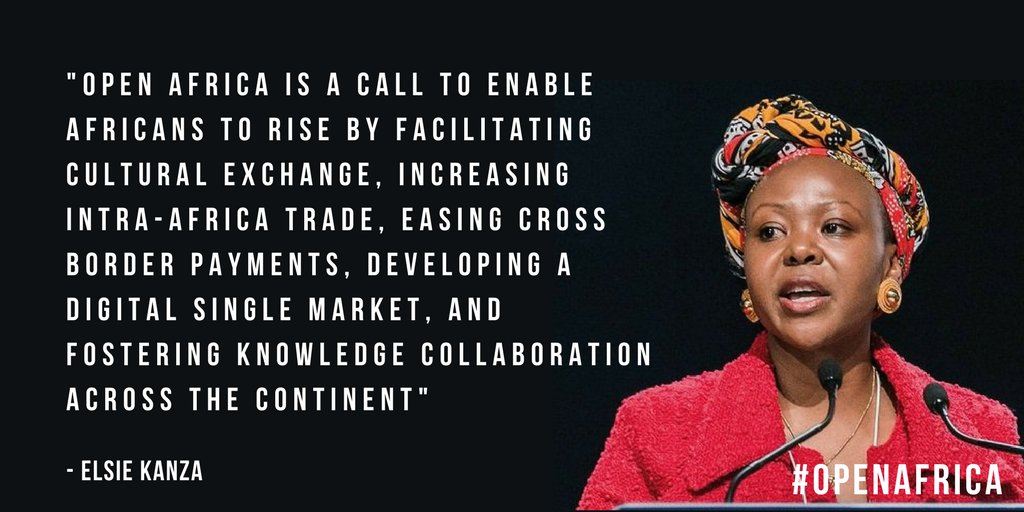
To mark #AfricaDay on Thursday 25 May 2017, Elsie Kanza, head of Africa at the World Economic Forum, is calling on Africans to reimagine the continent open and border-free, and to encourage their country’s policymakers to help make this a reality.
“Africa has a population of some 1.2 billion people, 70% of under the age of 30. We’re a continent populated by young, dynamic people, but our youth can only help lead an economic revival if their ability to trade and travel is not hindered by geopolitical bureaucracy,” says Kanza. “Africa has helped build other countries and continents, now we need to open up to each other.”
Kanza’s call for an open and border-free Africa is backed by Africa’s Global Shapers — a network of around 1000 young change makers across the continent. The African Global Shapers represent some of the brightest, most talented people on the continent who are working to influence the Africa’s future for the better for all who live, work and trade there.
WEF figures show that the continent achieved GDP growth of some 5.4% between 2000 and 2010. But growth has slowed during the past half decade to some 3.3%. Visa-liberalisation has realised strong GDP boost in trust and trade in countries harmonising regulation with their neighbours. For Africa it could similarly be a jumpstart to the continent’s growth.
Although research shows that trade between neighboring countries and regions is a boon for economic growth and development, trade between countries in Africa is low. Inter-Africa trade in goods accounts for only 17.7 percent of the continent’s total trade.
The Africa Integration Index offers a compelling case for integration. Countries that enjoy trade and travel with neighbours realise flows of capital and information across borders, enjoying financial and cultural benefits.
“There’s a massive opportunity to increase the trade of goods and services, and what young people keep telling the change makers who run our hubs across Africa is that trade and travel on the continent is expensive and difficult,” Kanza says.
“It is simpler for a startup founder from Kenya to hop on an airplane and get funding in London, than in Johannesburg. It is easier for an emerging fashion designer in Nigeria to look for opportunities in New York than it is in Accra,” says Kanza, who adds: “This doesn’t make sense in a world where the internet is obliterating boundaries and borders anyway.”
The WEF Africa Competitiveness Report 2017 states: “Africa is full of brilliant, educated young people. Troublingly full. The number of working-age people in the continent is expected to grow to 450 million over the next couple of decades. But Africa's engines of job creation aren't keeping up. If enough new positions aren't created by 2035, Africa may be sailing towards a crisis of youth unemployment.”
The WEF report warns that African leaders have a choice. “Either put into effect structural reforms that improve people's livelihoods, or allow current, not-quite-adequate constitutional policies to unravel towards inequality and civil unrest.”
Kanza -- and her change-making cohort who are #ShapingAfrica -- believe that opening trade and travel is one way to stave off this threat. “To quote Parag Khanna from his latest book, Connectography: Mapping the Future of Global Civilization: ‘Borders are not the antidote to risk and uncertainty; more connections are’,” says Kanza. “The challenge is to connect talent, capital, entrepreneurs and trade — not separate them.” Sharing cultural experiences may be one of the most fundamentally important keys to peace and trust.
Research shows that the movement of people through regions liberalises trade, encourages the flow of capital, increases trust between neighbors, stimulates investment within regions, and lays in new infrastructure. Critically, it also eases transfer of knowledge, reduces cost of research and development of intellectual property.
In the Africa Integration Index, Dr Adrian Saville of the Gordon Institute of Business Science writes about how Africa was historically primed for the extraction of commodities to benefit economies outside the continent, and not to engage in trade that would strengthen and develop Africa.
“This has restricted bilateral trade between African countries and the development of a lucrative consumer market, while rendering the development of value chains or productive economies of scale near impossible,” writes Saville, who adds: “Ultimately, this has undermined the overall competitiveness of the African economies.” Opening up economies, writes Saville, would bring “sustained structural benefit” and economic growth.
“Why is it easier for Americans to travel across Africa, than for Africans to travel across their own continent?” asked Kanza, referencing the Africa Visa Openness Report. “Knowing our over-reliance on commodities and China, and Africa’s slow growth rate, we need to take that next step and liberate potential. We need to make it much easier for young Africans to trade with each other, and to travel across the continent. The benefits are compelling, and this is literally opening the door to future growth.
To join the conversation, follow @AfricaWeShape #OpenAfrica #VisaFreeAfrica
Real Social Media Only Starts Outside of Your Comfort Zone
What running a global social media campaign for an expedition that involved running 40 marathons in 40 days on 6 continents was like.

By Heleen Mills, Treeshake
Going in, I knew doing social media for Mina Guli’s #Run4Water -- an ultra epic of 40 marathons in 40 days along 6 rivers, on 6 different continents -- would be challenging. But I underestimated just how tough it was. Massive ants stalked me in the Amazon. I ran six to eight hours some days. I collided with moths the size of birds. Every day, a perpetual hunt for bandwidth. I battled to get beyond the Great Firewall of China. And the weather. This was storytelling in acute cold and torrential downpours.
This is a story of #extremesocialmedia. The narrative of what it takes to run a live, global cause campaign where water is the hero. I had to convincingly tell the story of an iconoclast doing the impossible. Mina Guli’s crazy run of 1,688 kilometres in 6 weeks along 6 rivers on 6 continents for 1 reason: To get the world focused on the Global Water Crisis.
Go Slow To Go Fast
Business tradition is about thinking first and acting later. It favours strategy over action. Weeks of research and planning went into the #Run4Water campaign. We honed the narrative. Debated the hashtag. Collated lists of global media to reach out to. But on the run, what would grab global interest in a world fatigued by noise?
Going in, the guiding principle was to embrace the best in real news values. To tell the story honestly, and as it happened. To employ rigorous fact checking. To reach out to credible activists and sources involved the global water struggle. The #Run4Water course took us along the Colorado River in Nevada; the mighty Amazon, the Murray River in Australia; China’s Yangtze; Egypt’s Nile River; and the River Thames in London.
I had an incredible team behind me. Dave Duarte led strategy. Max Kaizen and Jaidie Rumboll managed research. Charlie Mathews did writing. We had one of the best visual storytellers in Kelvin Trautman. Greg Fell of Fell & Company managed operations and logistics.
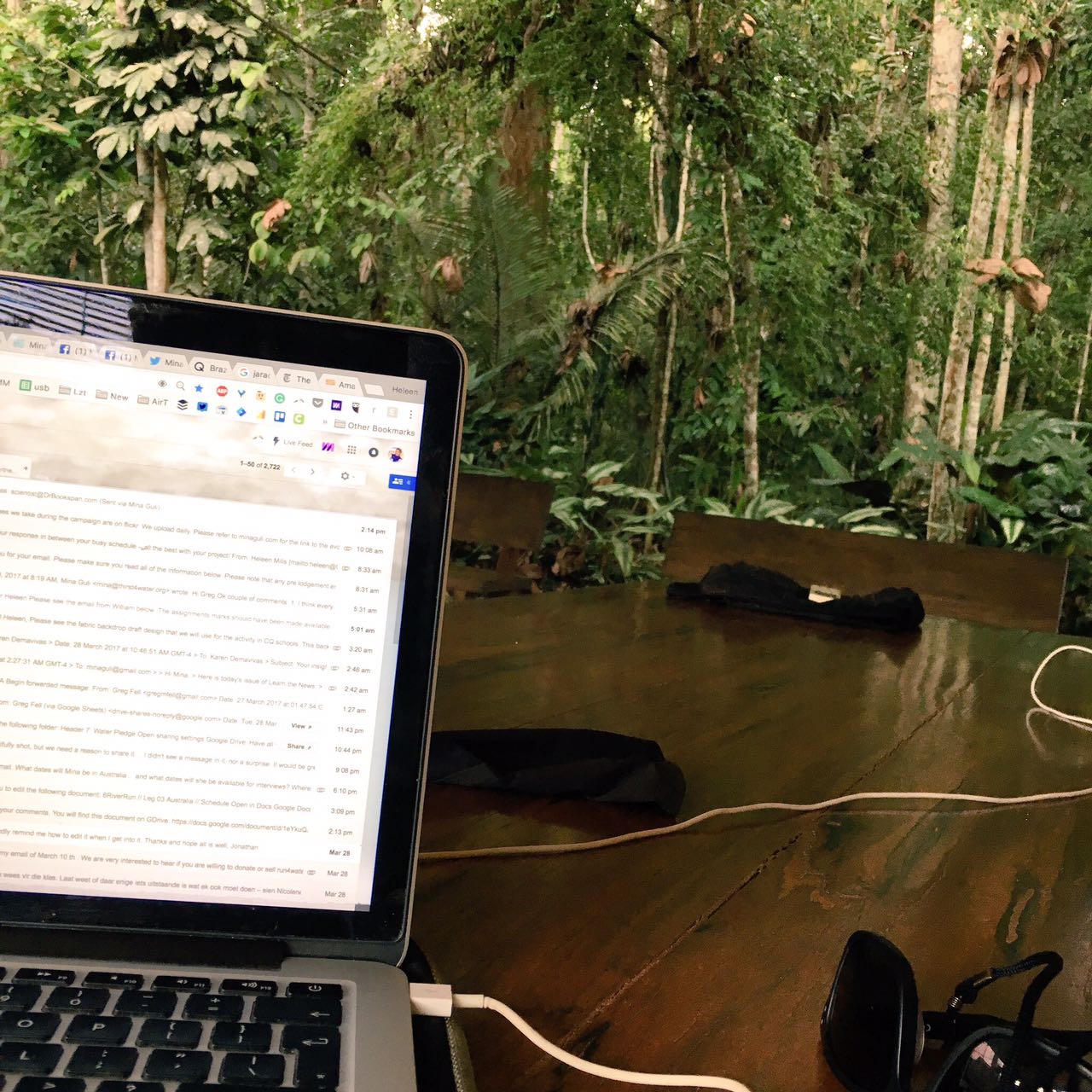
With so much preparation, what could possibly go wrong? Communication is everything for a campaign like this, but in remote reaches technology let me down. In Manaus, northern Brazil where the rainforest has been decimated by logging, I had to hunt for hours for bandwidth.

A Real Creature Feature
Eventually I found a good signal in the middle of a traffic island studded with trees. The driver left me there with my laptop, cellphone and a piece of cardboard to sit on. I had an hour to write and post the crux post of the story we set out to tell in Brazil. Time was running out.
I’d be halfway through a sentence or post when huge ants would crawl up my legs. Everything is outsized in the Amazon. I’d shoo them away, but my continuity was disrupted. The clock ticking, I decided the story was more important than the ants. The humidity was overwhelming. With sweat dripping down my body, I let giant arthropods inch forward.
The big lesson? If you’re doing social media for a global campaign over a number of different regions, get multiple mobile simcards the minute you touch down at each new airport. All mobile networks aren’t equal. I only had 1 simcard. For ubiquitous bandwidth you need more than one mobile operator’s simcard in your arsenal.
The Challenge Of Acceleration
What was our routine? Every day was a new story burdened by the weighty responsibility of telling it well. Every day was a struggle with time. There was never enough time to work. And never enough time to sleep.
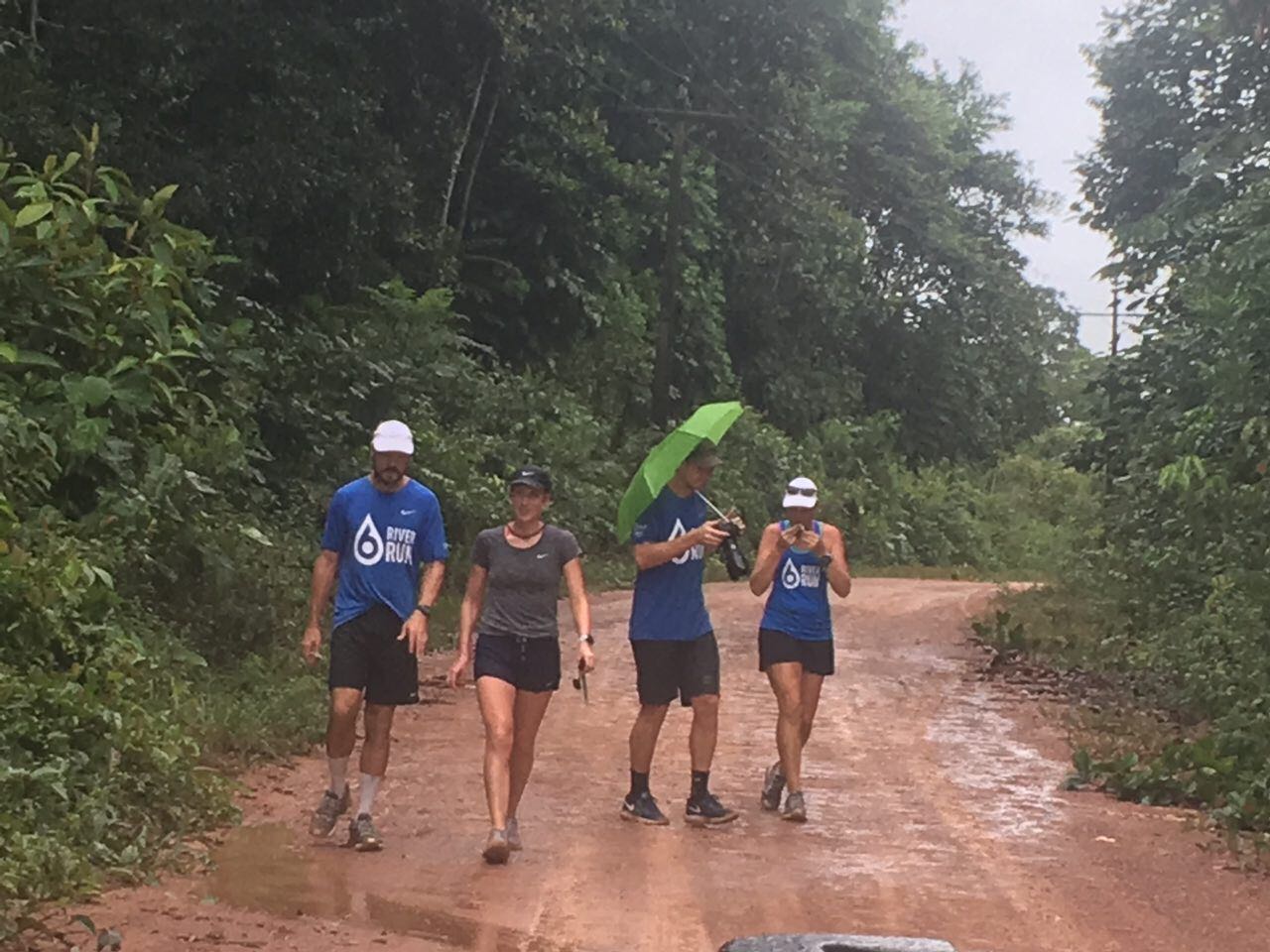
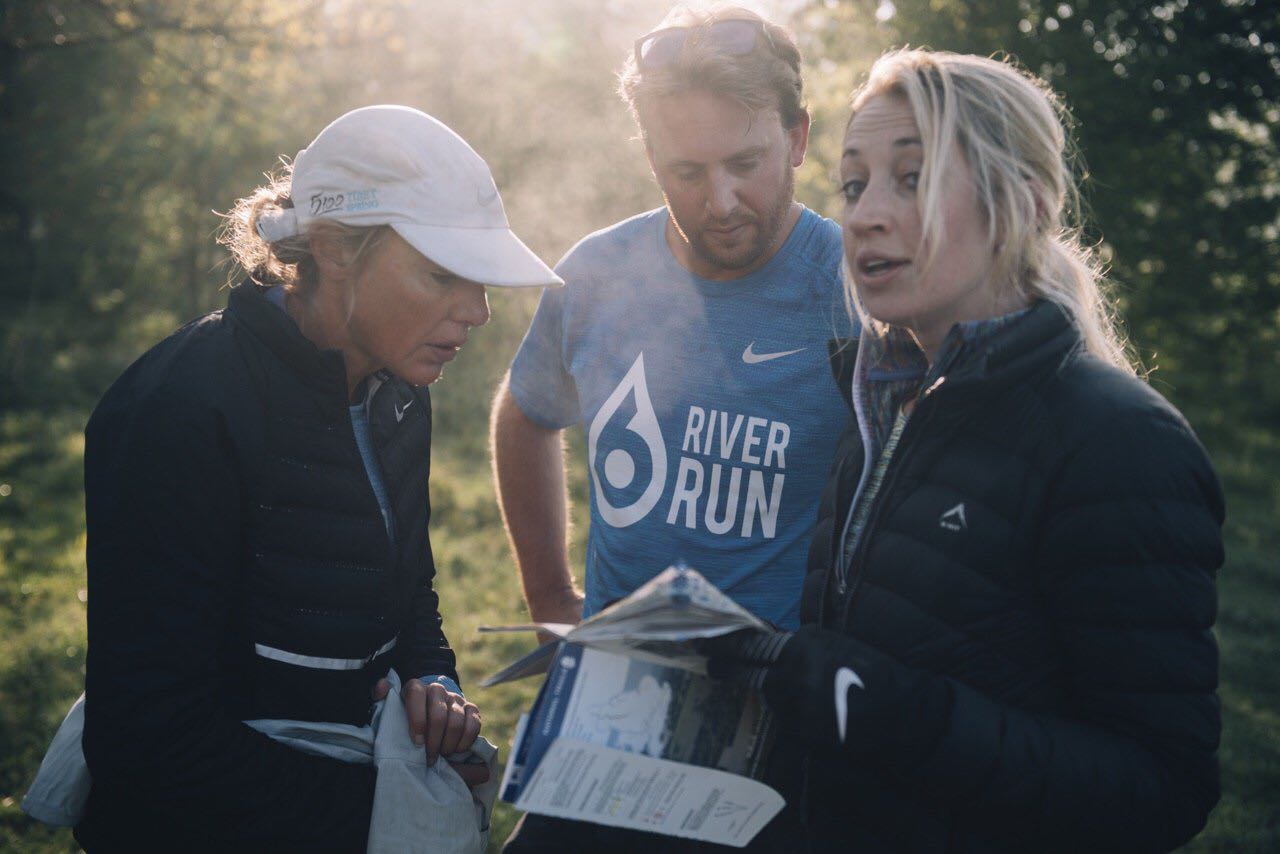
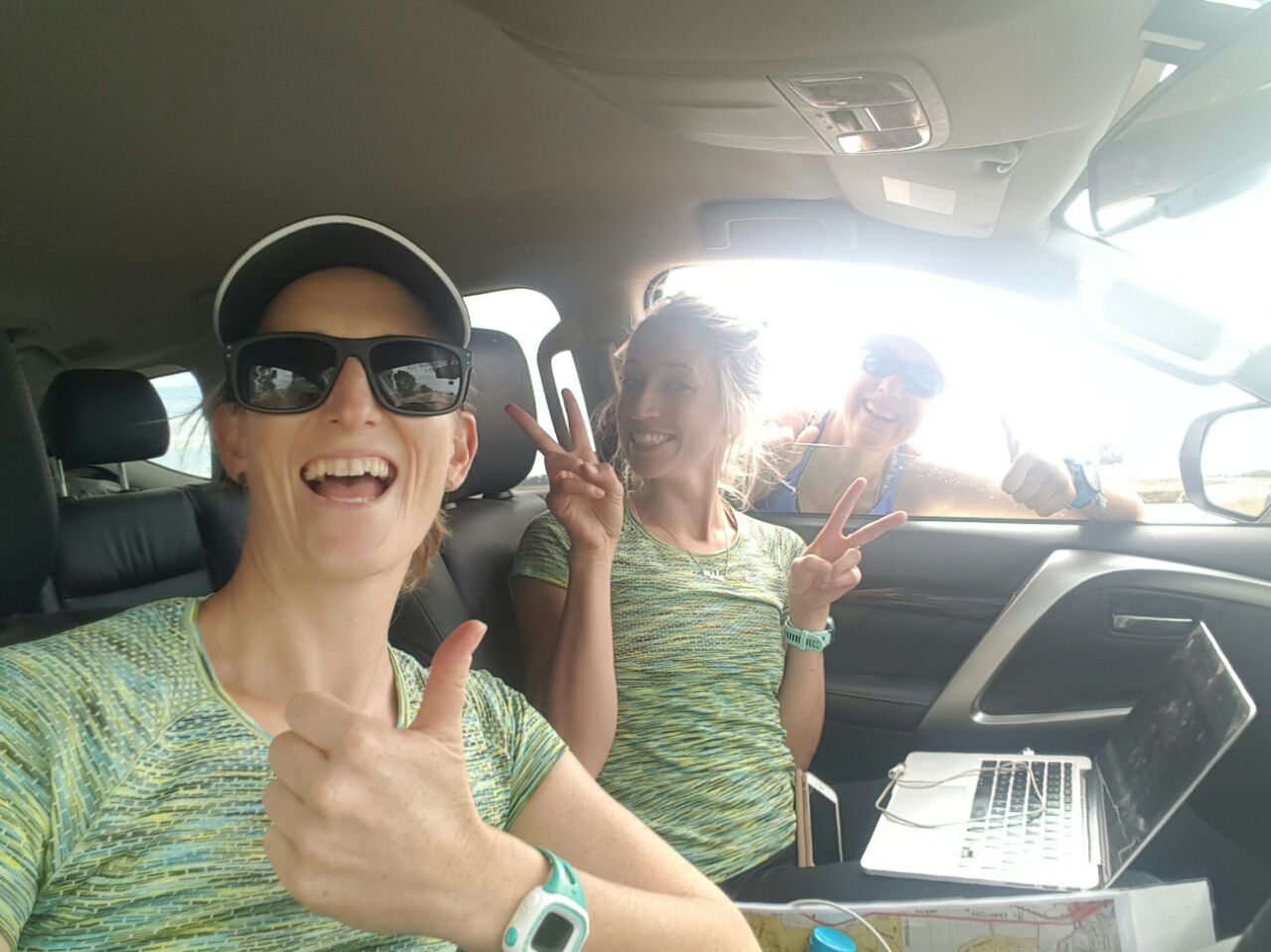
I shadowed Mina for most of the 1,688 kilometres. This meant running alongside Mina, with my laptop, mobiles, batteries and chargers in my backpack on my back. When not running, I'd be driving the support vehicle, liaise with news media to manage media interviews or out somewhere interviewing a water expert or activist for our story.
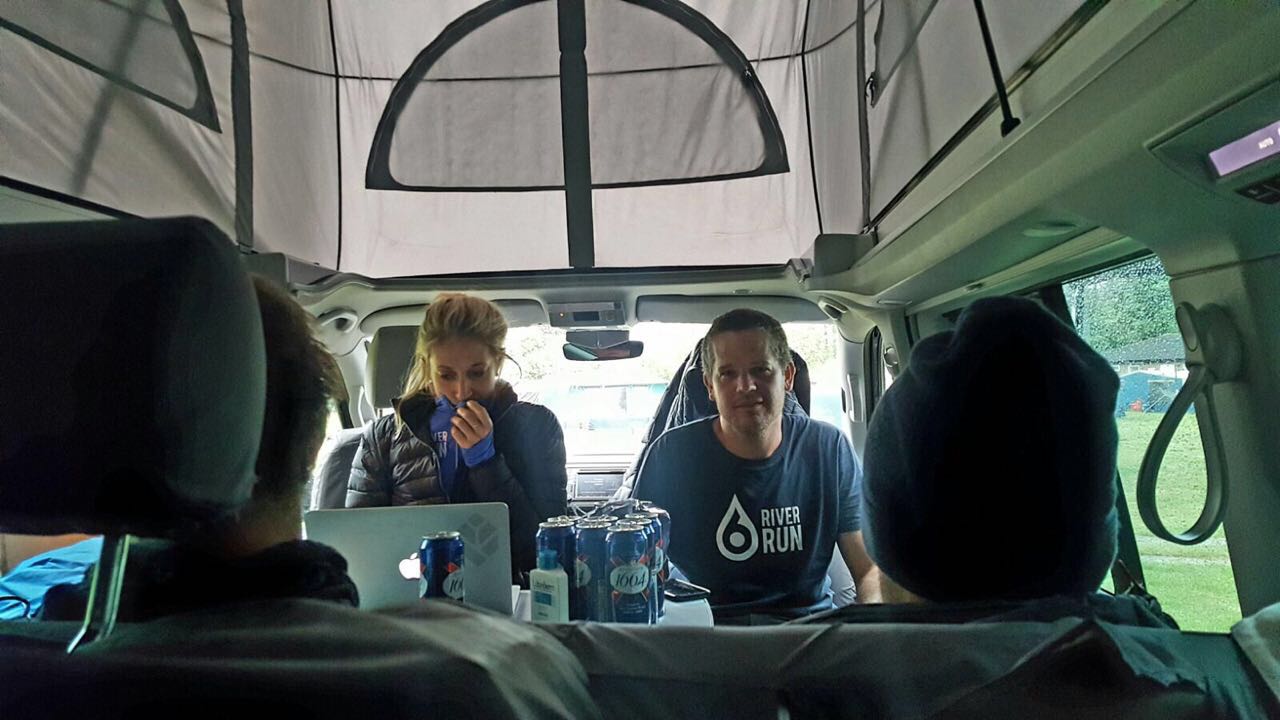
I’d wake at about 5am, tired, often confused about where I was. We slept in a different place almost every night for 6 weeks. On with the head torch to find clothes. Running started 5:30am sharp. This was no luxury tour. We had a strict budget so we camped, slept in a car, on a bus, or found low-cost accommodation - like river-side hammocks in the Amazon, or the living room floor of local family in China. Not knowing when we'd be able to do laundry because of the tight travel and running schedule, we wore the same clothes day in and day out. We reeked. There wasn’t always shower. In the Amazon I bathed in the river.
52 kilometres - that’s how much running had to be done each day. That’s seven to ten hours of running depending on the route condition, weather, Mina’s injuries, or whether we had to break to meet with water experts. The day's routes, interviews, and meeting points for the support vehicle was planned at dinner every night.
The rest of the day was juggling cars between interviews, getting water and snacks to Mina whilst running and making sure she didn’t have to wait when her run was done. Lunch was generally an energy bar of some sort. Every spare moment was used for community management. I am now impressively good at running and community management / emailing / tweeting. Whilst in China I was also tasked with treating Mina's injuries. Before starting my work, I'd have to massage and perform dry-needling on her injured muscles. I had a 5 minute crash course in Australia on how to do this.
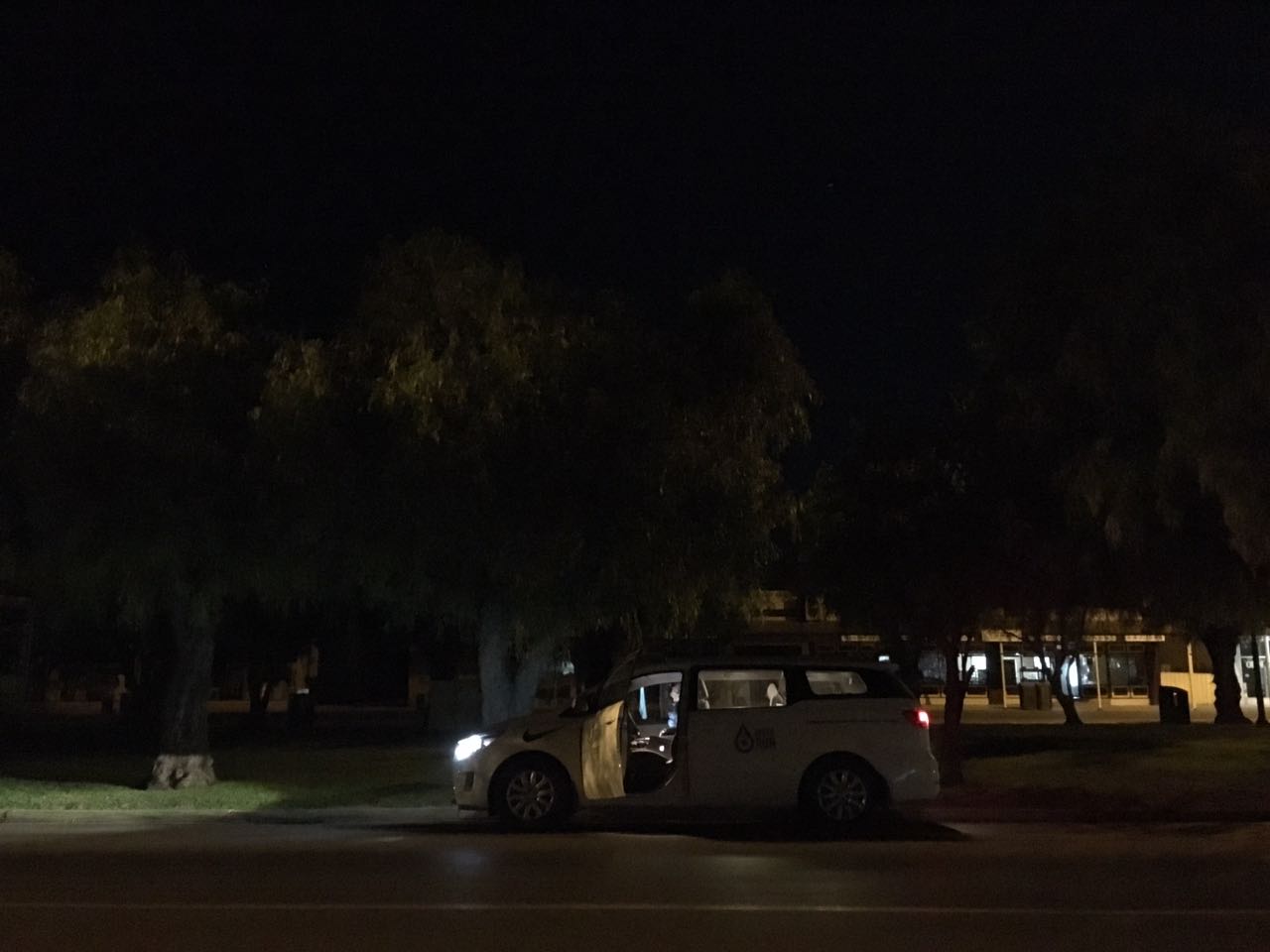
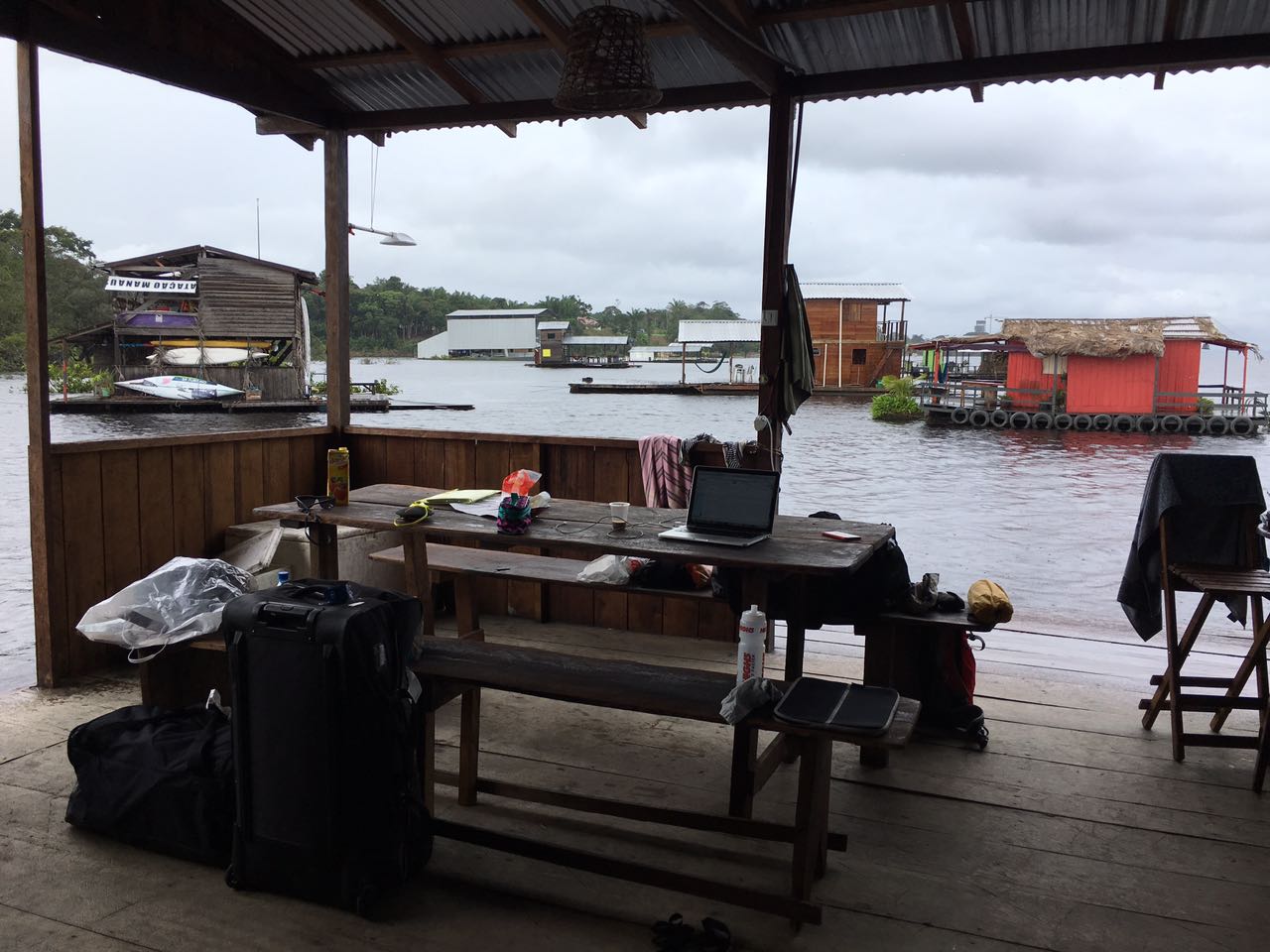
Blood, Sweat & Tears
At camp in the evening, the team would survey the damage to Mina’s body. We tried to keep it light. Mina spent time with a podiatrist and physiotherapist. Kelvin and I sorted through photographs. Some days he’d take over 12,000. We’d choose twenty of the best. I’d pick four for social media. The four that told that day’s story in the most remarkable way.
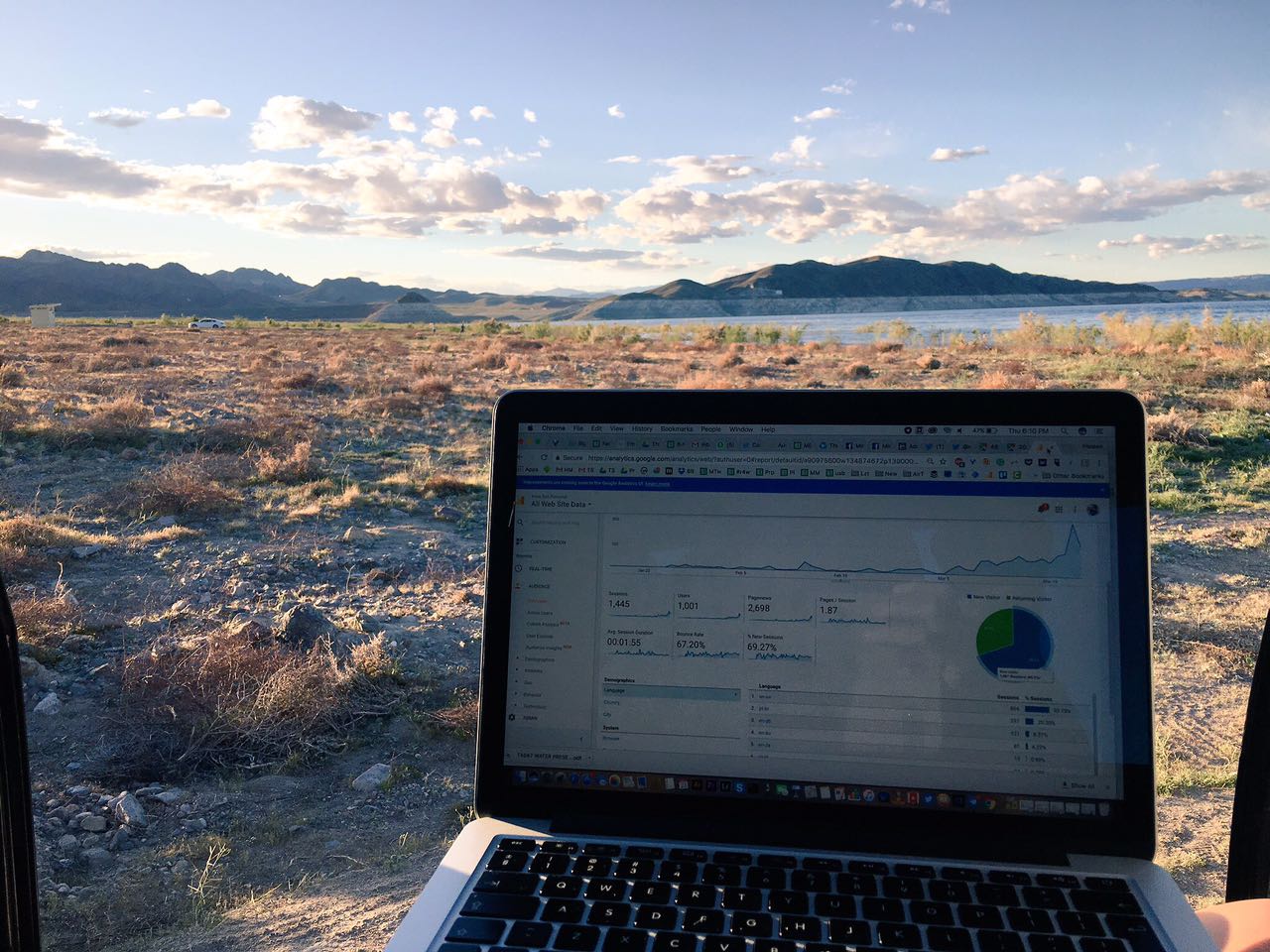
We’d charge all the equipment. I had two battery packs. Really wished I had more - I burned through data and battery power at an alarming rate. We’d plan for the next day. Eat. Everyone would head off to bed. I’d look for a quiet spot (with good bandwidth) and I'd start my work - telling the day's water story and the running story on social media. Researching & copywriting at 1am, in the cold, with only a head torch for light. After, I’d flop into my sleeping bag -- sometimes just before sunrise -- to try sleep for two hours. Maybe three.
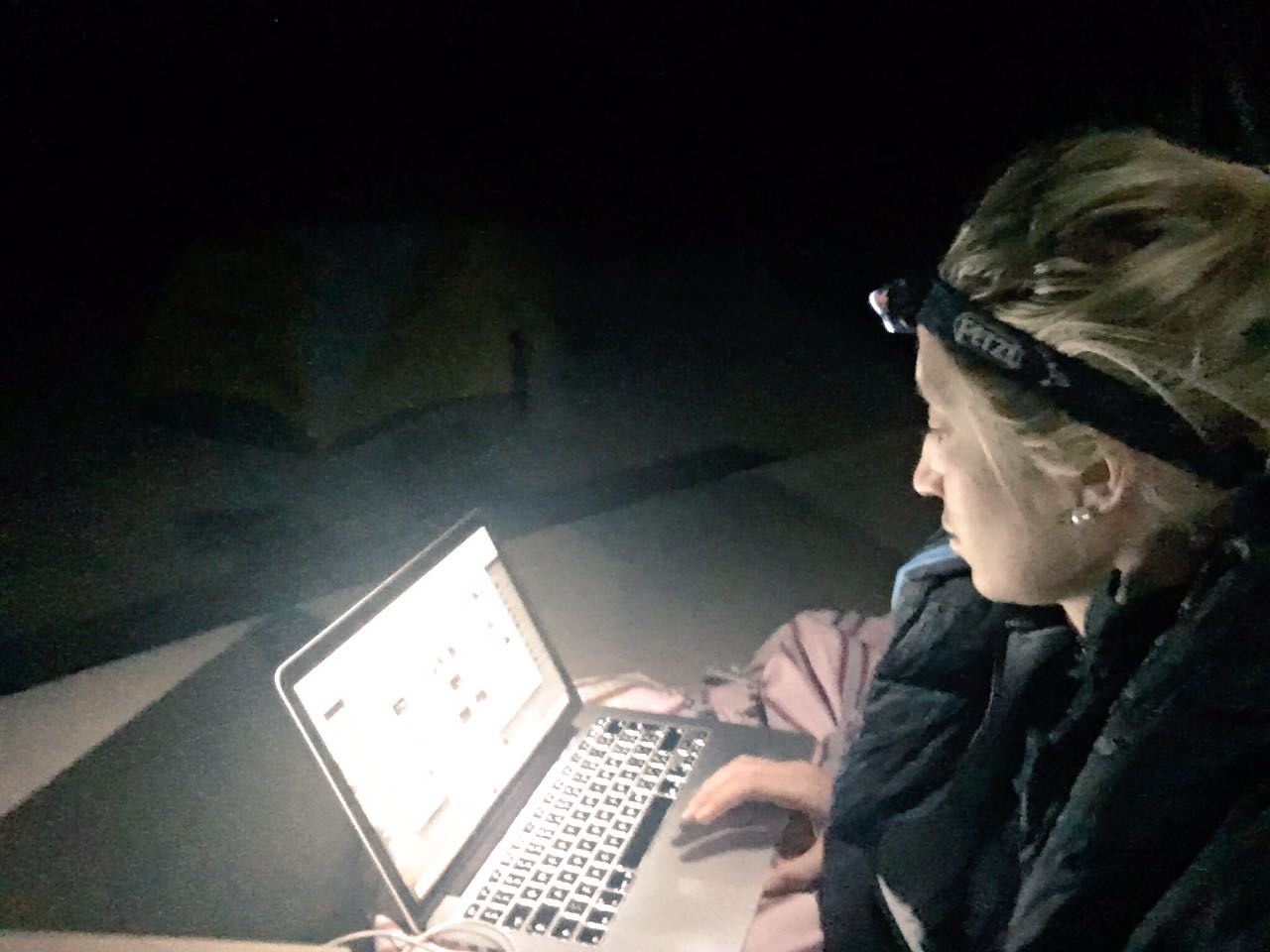
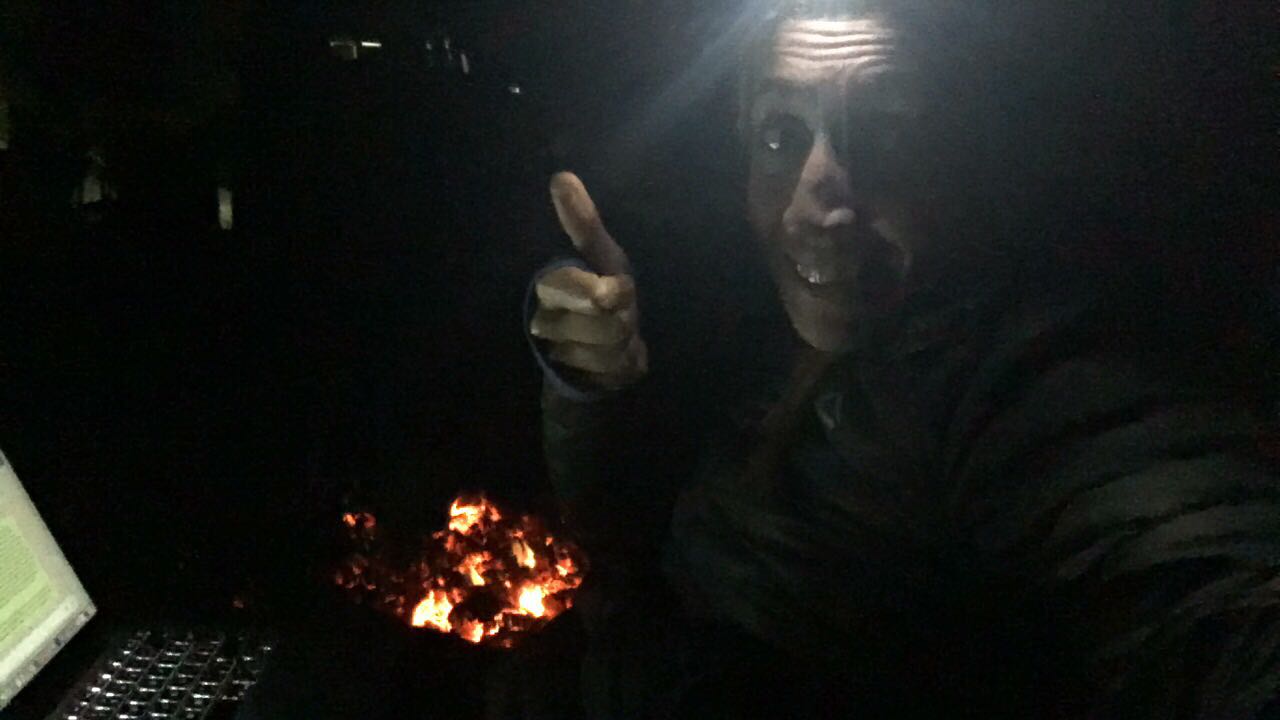
Expedition social media requires tenacity, grit and a good dose of resourcefulness. In his book, The Obstacle is the Way, Ryan Holiday writes: “The only guarantee, ever, is that things will go wrong. The only thing we can use to mitigate this is anticipation. Because the only variable we control completely is ourselves.” This was true for every day. Here are some particular incidents that come to mind:
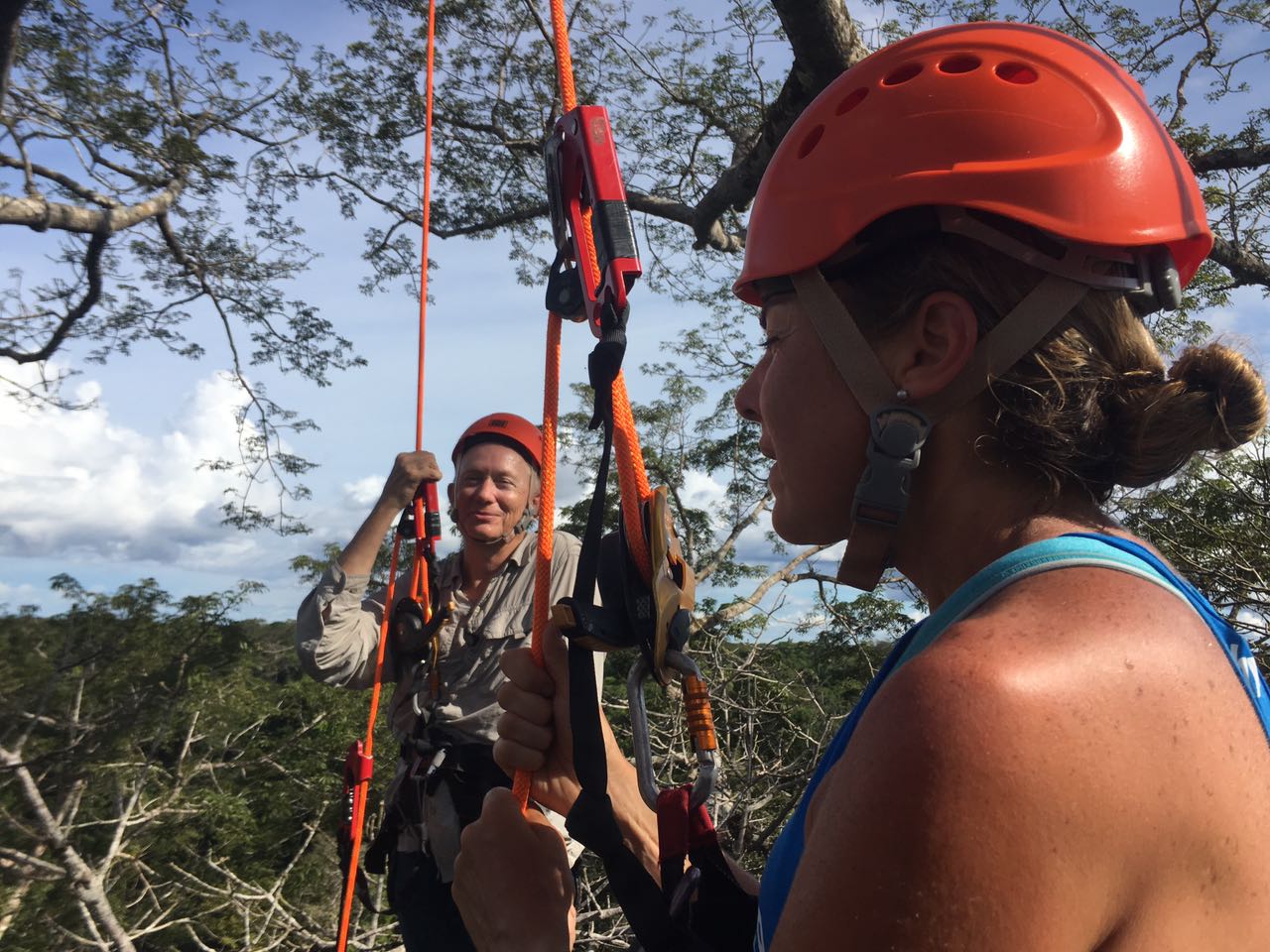
- A perfectly timed and arranged Facebook Live from a 40m high tree we climbed in the Amazon failed horribly. The connection dropped. Twice!
- Dodging moths the size of my hand (I don't have small hands) in Australia, and eventually having to leave the fire I was working beside to sit on the back of a truck that was parked nearby to escape that moth.
- Running 35km in torrential downpour in a rainforest, just to be able to do a 45second video of "drenched, exhausted Mina explaining the importance of trees in the water ecosystem". Support vehicles could not reach the road, so I had to run the whole route.
- Sitting until 4:45am outside of my tent, utterly exhausted, struggling to upload virtual reality video to Facebook on 1 bar of 3G. It failed twice. It finally uploaded on the 3rd try. But I woke up the next morning realising the copy had a spelling mistake.
- Leaving the campsite at midnight, and driving an hour to the next town which had LTE, to sit in the car and upload content till 2:30am.
- Using 18 of my 19 flights in 40 days to work. Fly time was uninterrupted time to do graphic design, and copy writing work. The first in-flight movie I watched was on my flight back to Cape Town.
In retrospect it is bizarre looking at how carefully curated the content appears now, knowing it was assembled under the most extreme conditions.
The Great Firewall Of China
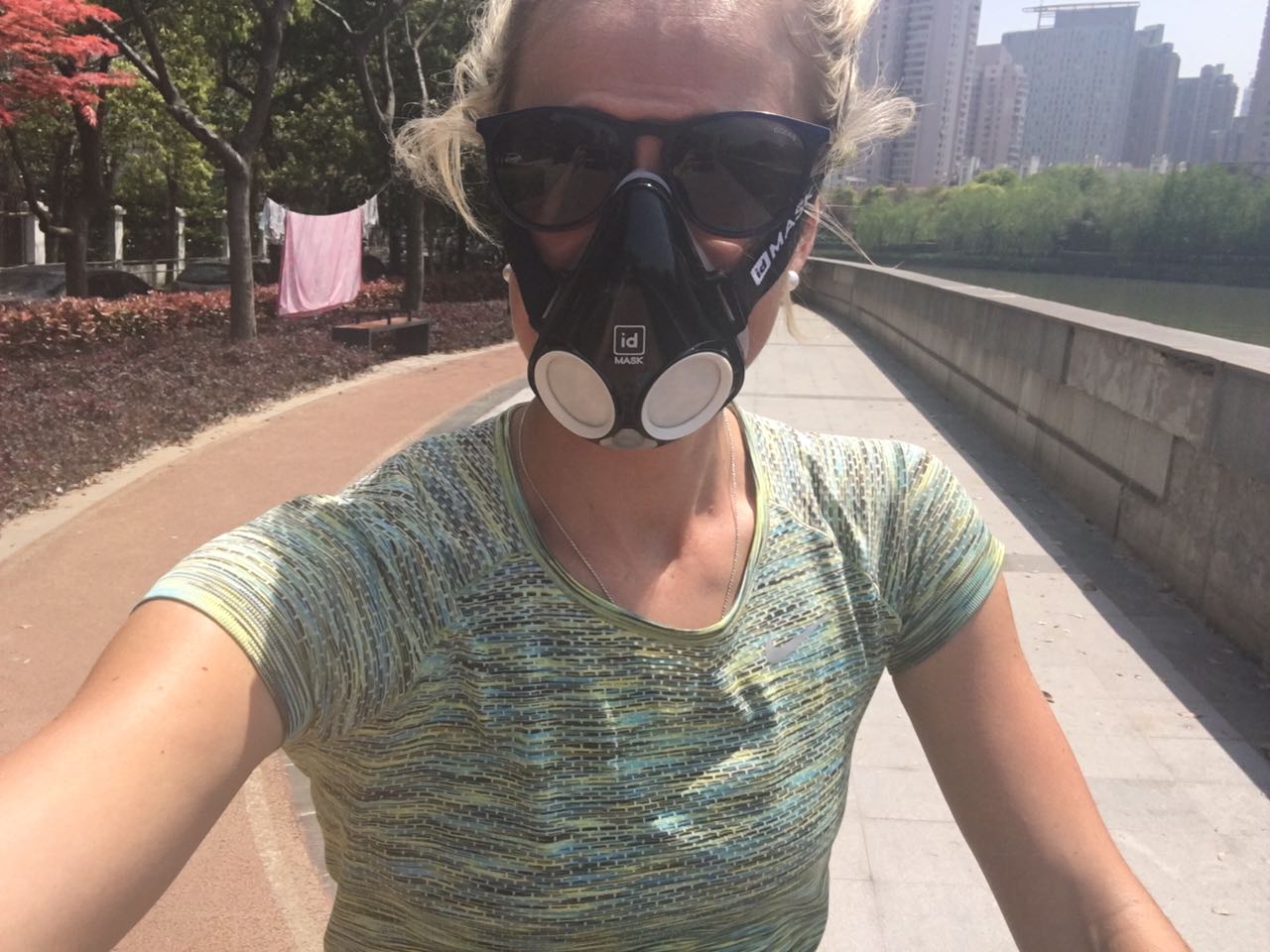
In China I couldn’t access Facebook, Instagram, Twitter nor the Website - they’re blocked by the state there. I bypassed the great firewall of China [legendary for being so powerful that no free VPN or ordinary proxy will let you through] using a VPN outside of China. I signed up and paid for 2 VPNs. Just in case.
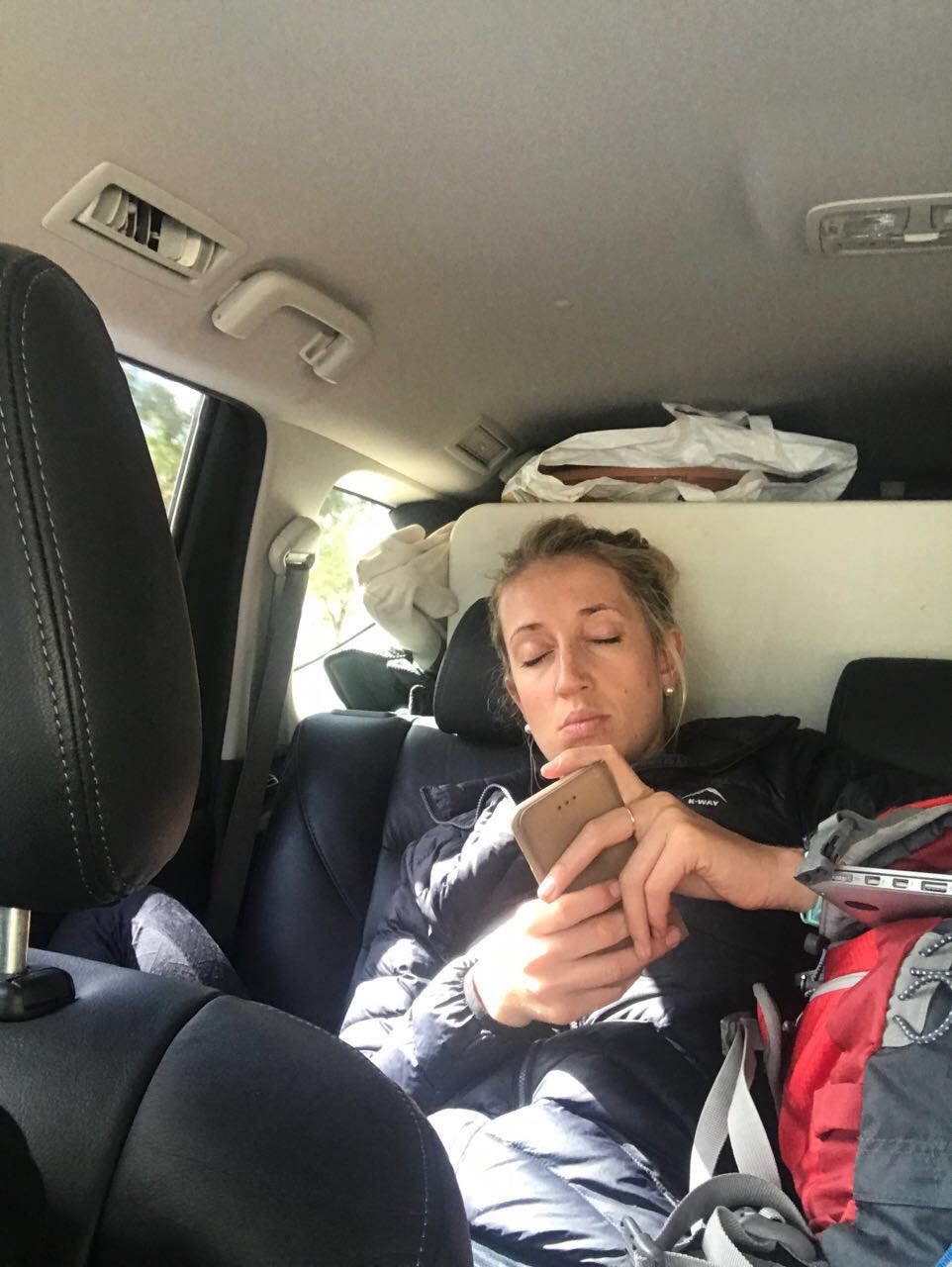
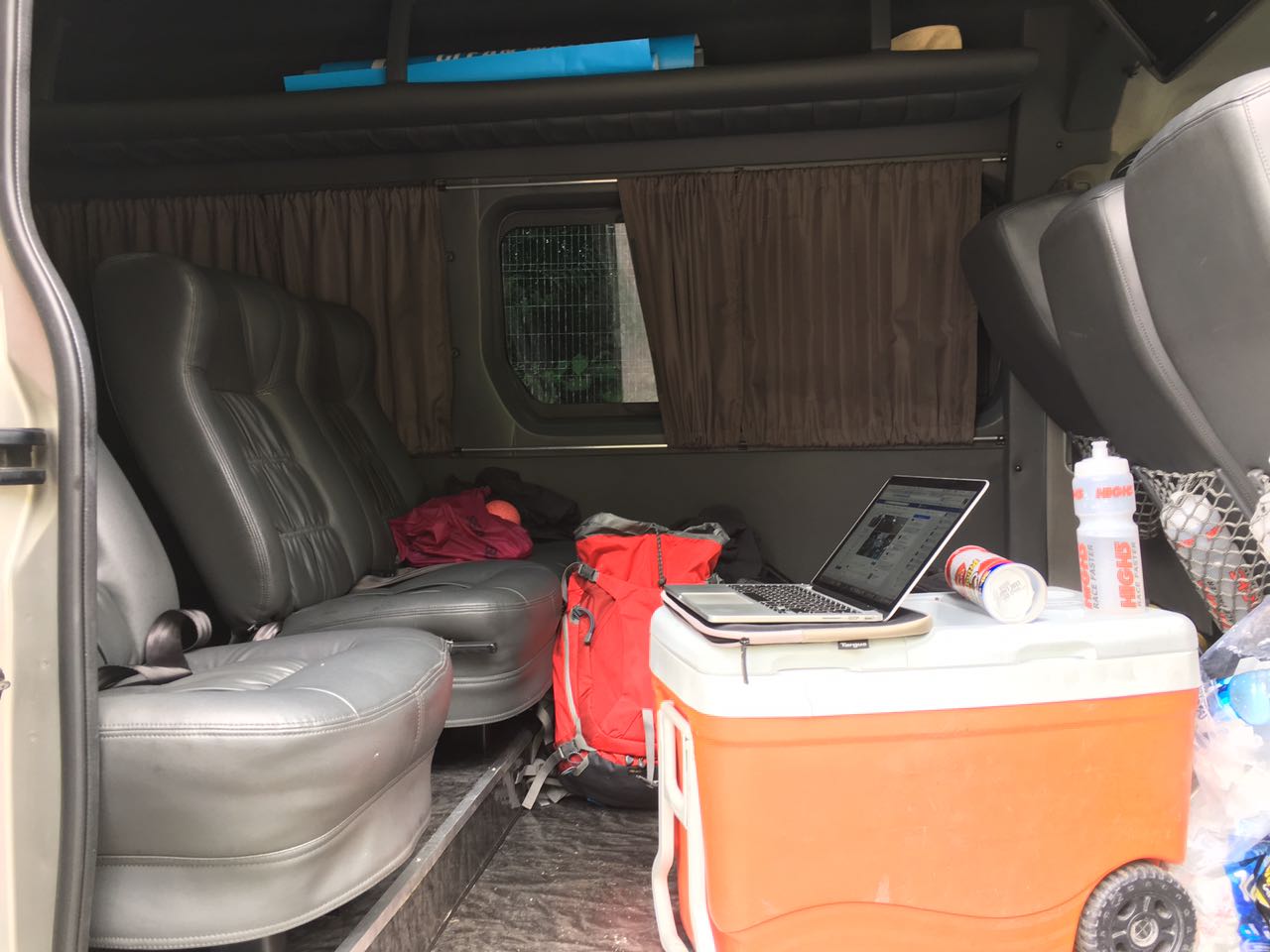
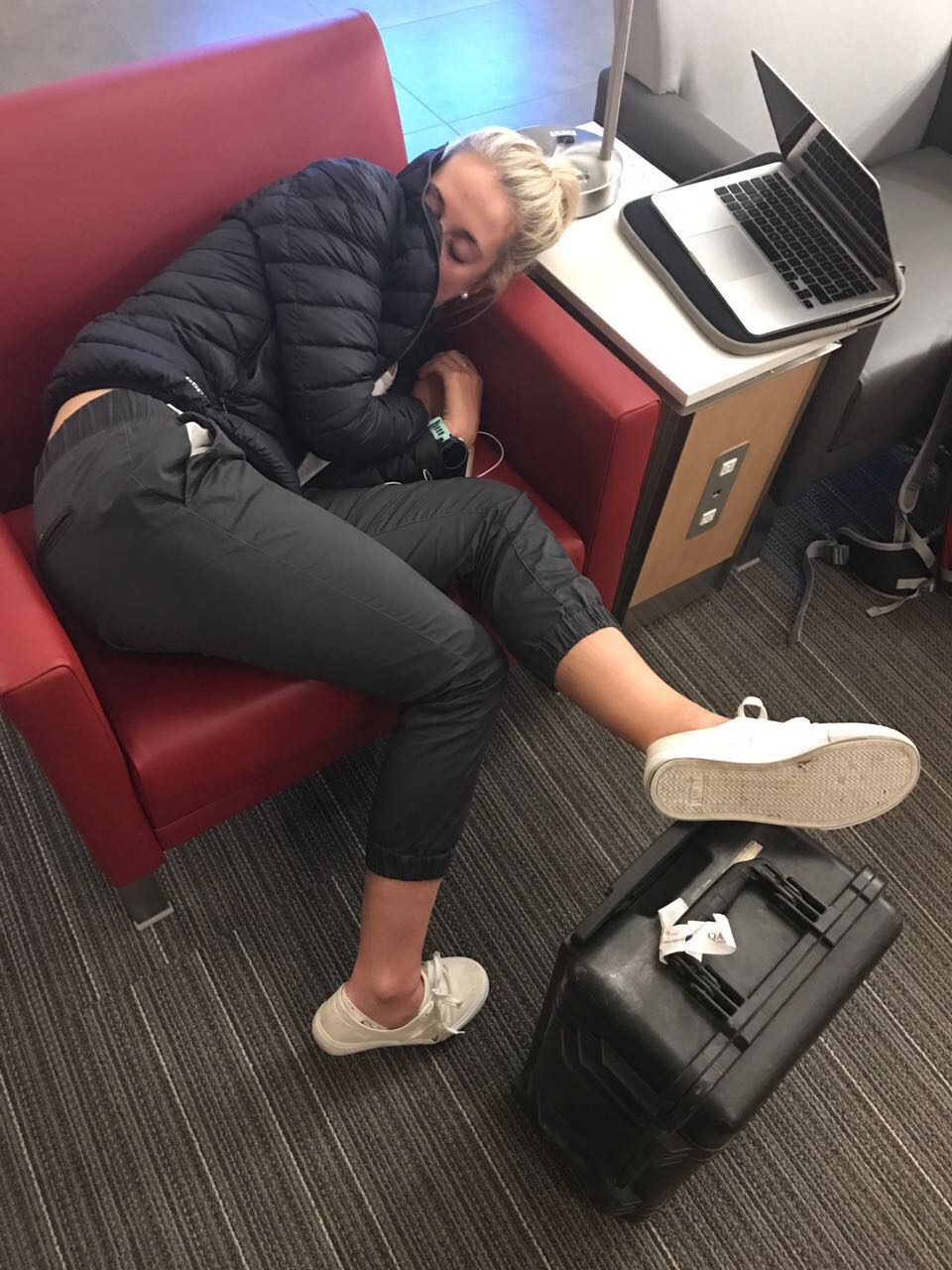
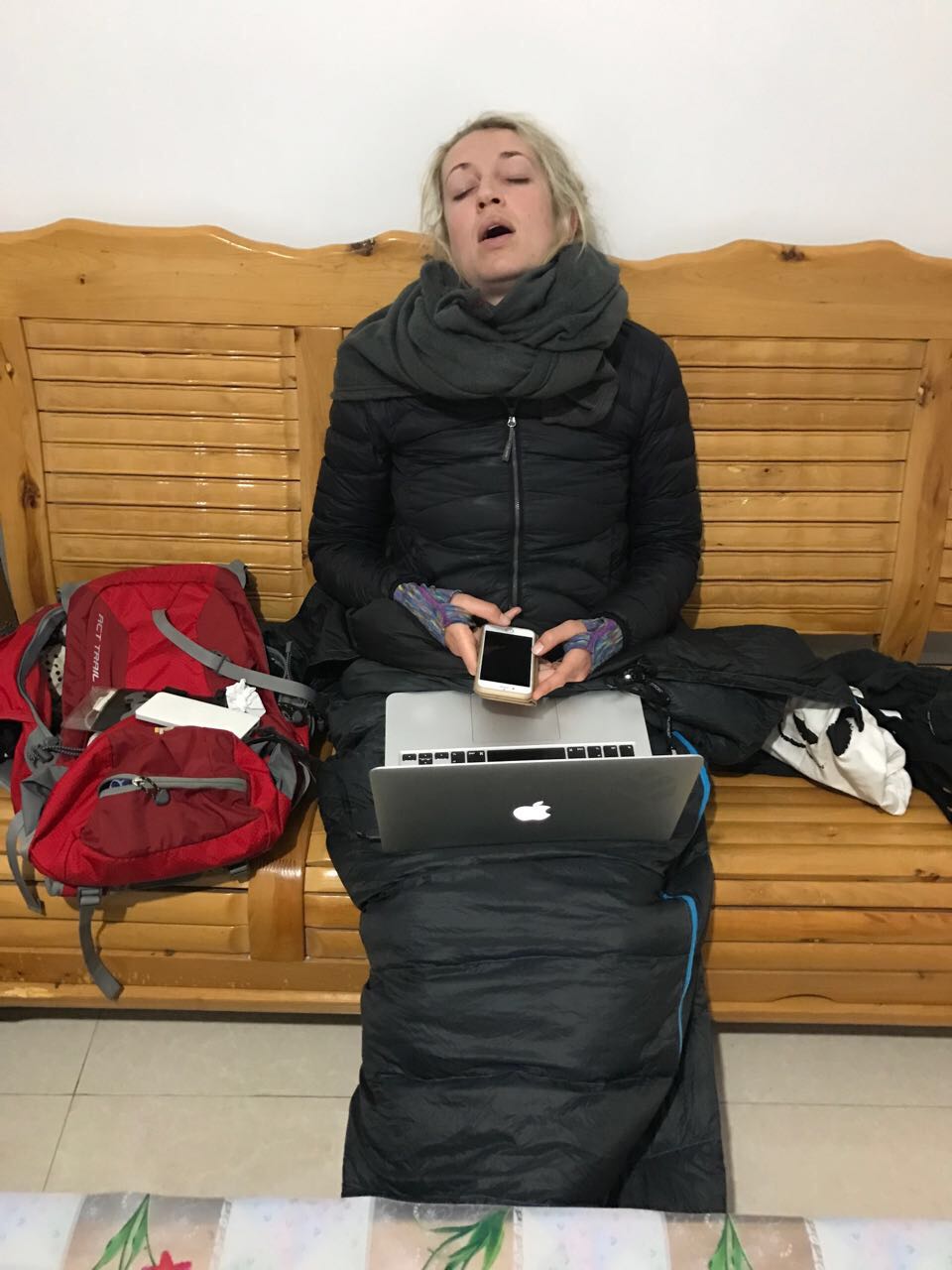
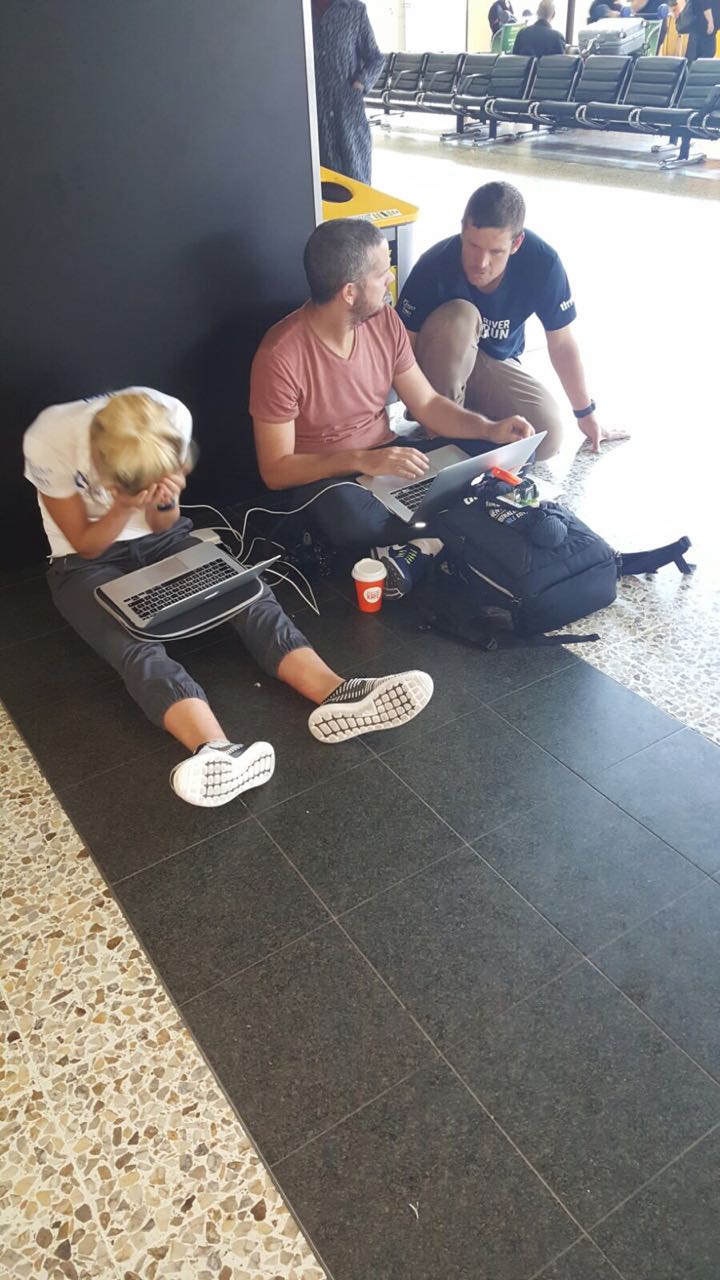
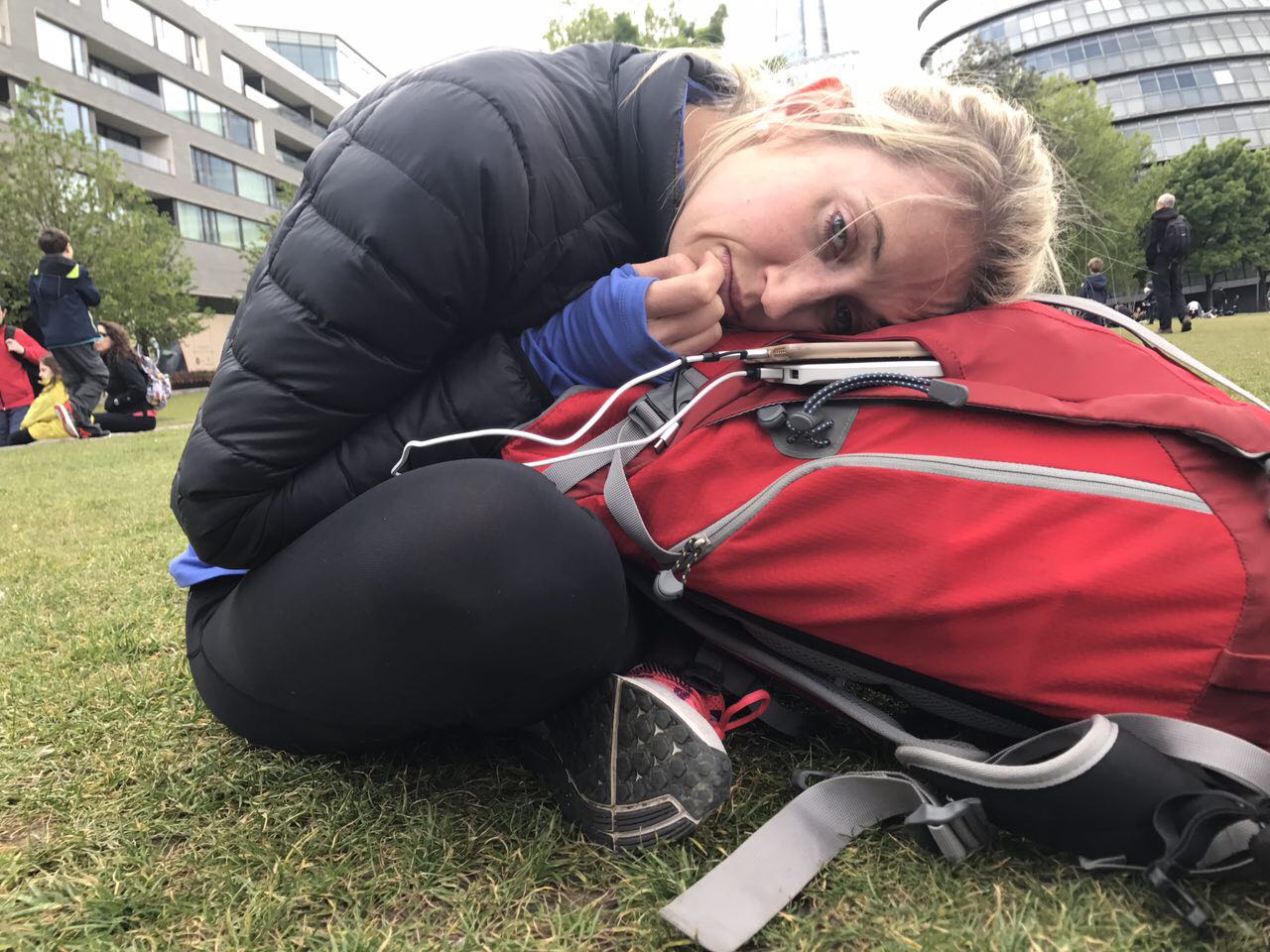
The exhaustion was overwhelming. I’d be drafting copy sitting on a cooler box on a bus and would fall asleep, sometimes on my keyboard, other times with my head dangling sideways and my finger pressing a down on a key, making rows and rows of the same letter on my screen. The team meme -- taking photos of someone asleep in a ridiculous position.
The moral of the story? This is the toughest campaign I’ve ever done, but the one I’m most grateful for. I’ve learned that growth comes from struggle. I was humbled our story’s hero -- water. Watching people innovate, or do battle with the water challenges they face more than humbled me. It made me a better person.
Real Life Is Where It Happens
Finally some advice. To tell the best stories, leave what you know behind. Get out from behind your desk, leave your office. Walk into the world. The real stories are waiting there for you. They will change your life.
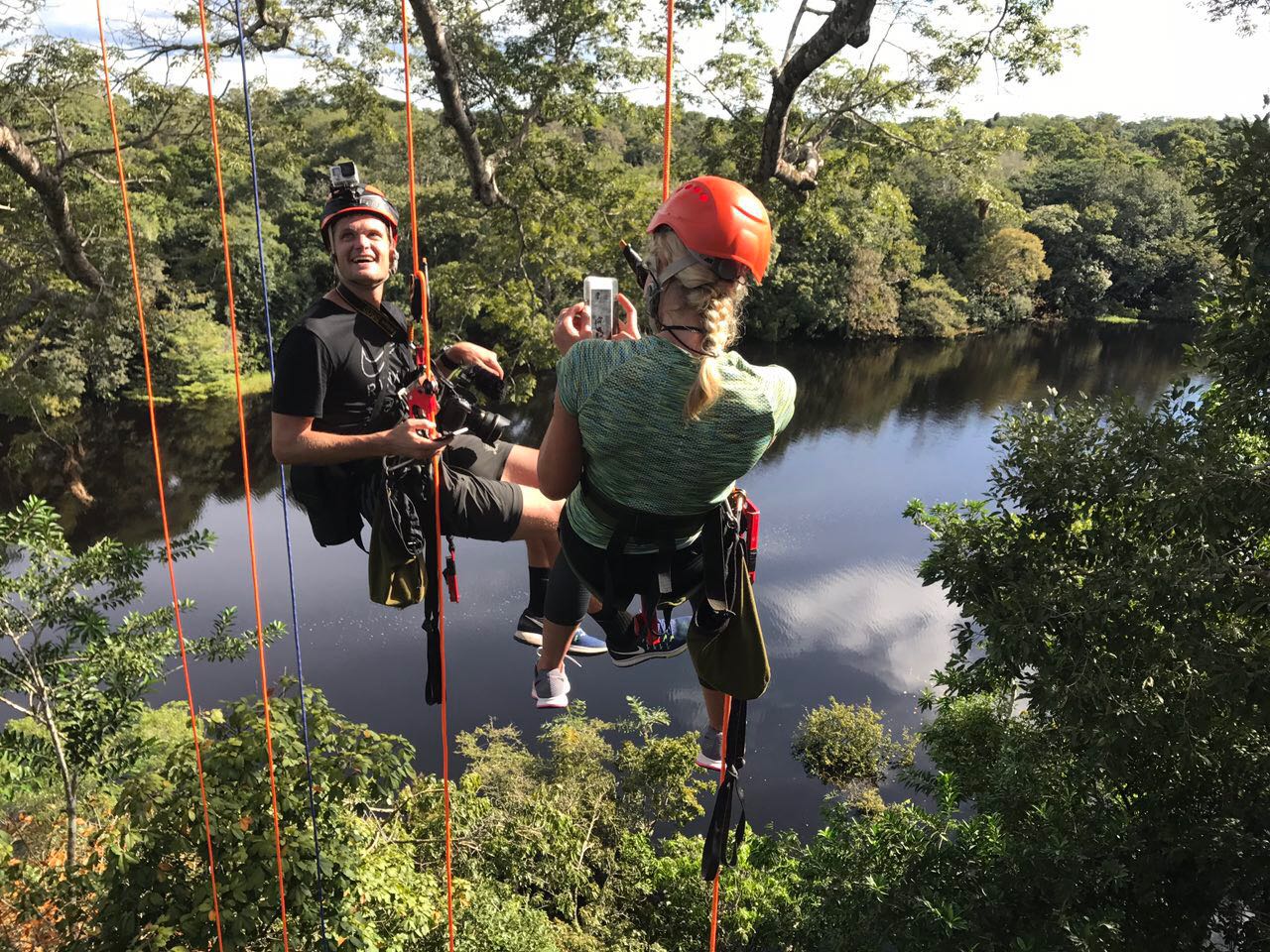
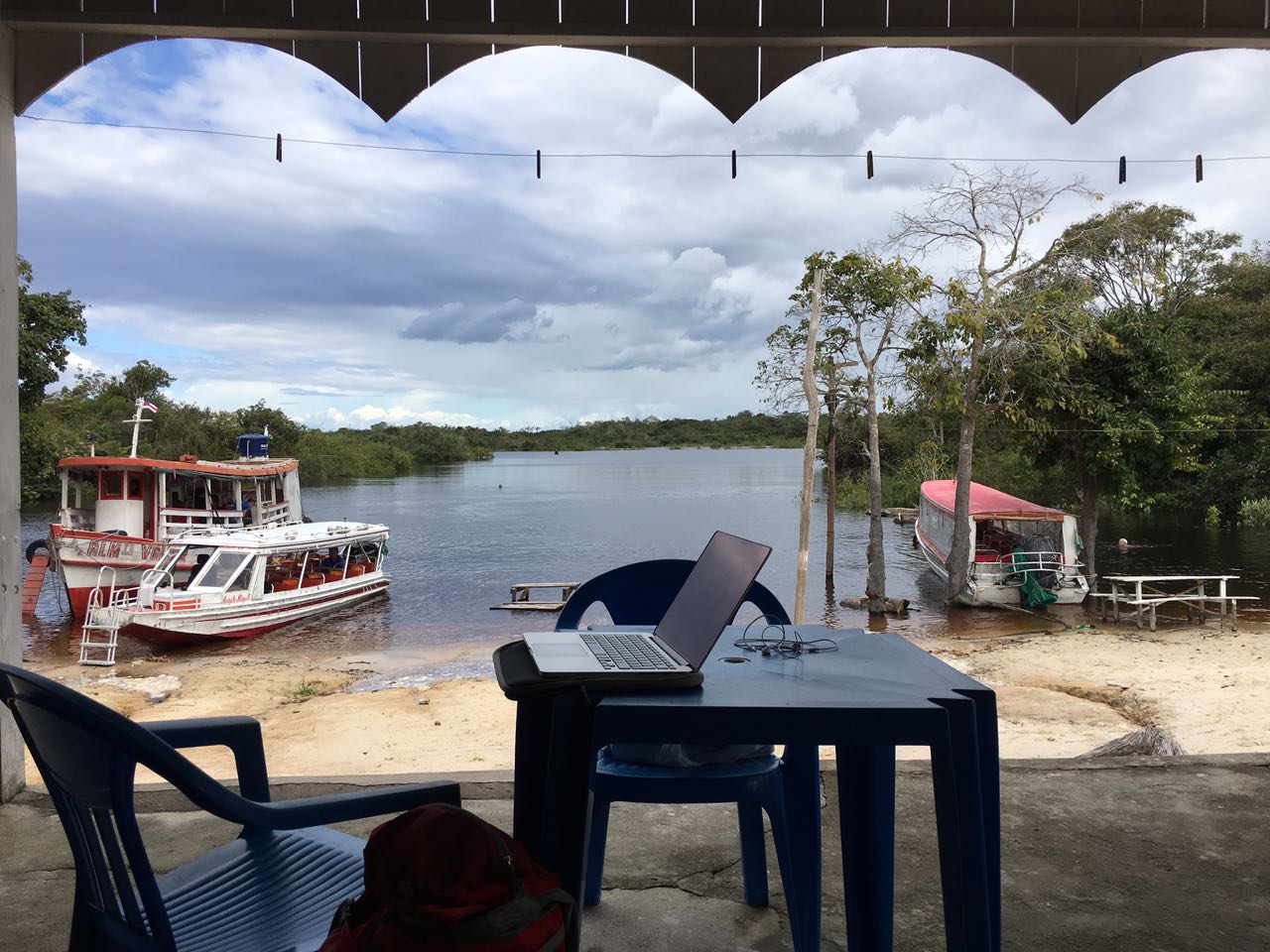
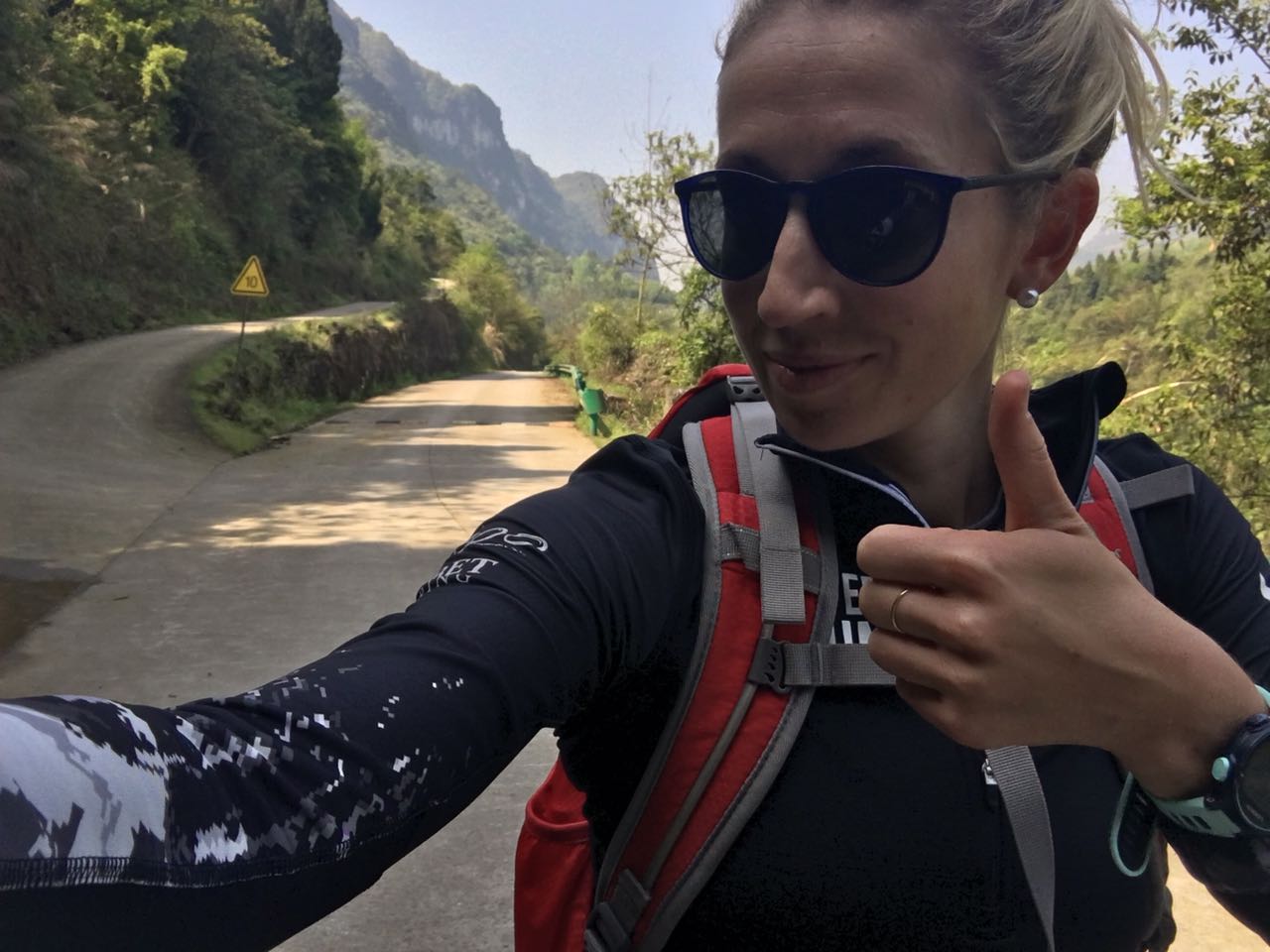
Story always is king. Not sightseeing.
Here’s the team walking back after a long day of running. You can easily spot the social media manager in her natural environment (right at the end of the video)
To find out more about the #Run4Water campaign, check out www.minaguli.com or facebook.com/MinaGuliWater/
Heleen Mills manages Social Media for Treeshake, a tech-savvy communications consultancy that runs global campaigns for change.
Licensed through #CreativeCommons. #Freeforuse with #attribution.
Fifty Changemakers Advancing Gender Equality in SA
Want to know how to build a more gender diverse business, organisation or society in South Africa? These are the people to watch, and learn from.
Want to know how to build a more gender diverse business, organisation or society in South Africa? These are the people to watch, and learn from.
By Charlie Mathews

The requirement for greater gender diversity in South Africa is a no-brainer. There’s more than enough research that shows that gender diversity is not only ethical but makes real business sense.
Gallup research shows that hiring a diverse workforce improves financial performance. The global research company based in the US shows business units that are gender diverse have “better financial outcomes than those dominated by one gender”.
Similarly, studies by McKinsey & Company reveal the business sense of diversity. “Our latest research finds that companies in the top quartile for gender or racial and ethnic diversity are more likely to have financial returns above their national industry medians,” McKinsey & Company reports. “Companies in the bottom quartile in these dimensions are statistically less likely to achieve above-average returns. And diversity is probably a competitive differentiator that shifts market share toward more diverse companies over time,” the worldwide management consulting firm states
In Africa, McKinsey & Company research shows that while there are more women “in
executive committee, CEO, and board roles”, women are underrepresented “at every level
of the corporate ladder”. The study shows that gender representation in politics has improved, but that “representation, however, still needs to double if Africa is to achieve gender equality.” The report also cautions that numbers do not readily translate into real power or influence.
“South Africa has a legion of people who are brave, smart and have been working incredibly hard in their respective fields to find ways to promote gender diversity in this country”
When the World Economic Forum released its measure of gender based inequality — The Global Gender Gap Report 2016 — local politicians and news media lauded the fact that South Africa ranks 15th out of 142 countries. But in terms of wage inequality SA ranks 83rd out of 142 countries: women earn some 38% less than men. Obviously, what these reports don’t show is the lived experience of women in South Africa.
Given that gender diversity is is not just an ethical goal that South Africa needs to strive toward, but makes real economic sense at a time when this country needs it most, how do we take meaningful steps forward? Which mentors or what intellectual property can businesses engage with to determine how to further gender diversity?
Fortunately South Africa has a legion of people who are brave, smart and have been working incredibly hard in their respective fields to find ways to promote gender diversity in this country.
Here is a list of the Fifty Changemakers Advancing Gender Equality in SA that you should be watching [and following on Twitter]. This list was generated by Treeshake to mark the world’s first 50/50 day.
These are people who’ve won respect for the work that they do, who offer significant insights about how we can become a more gender diverse, and better, country. They are emerging forces in the world of gender and/or feminism. In some cases these are people working hard to ensure that communities enjoy even the most basic of human rights, because of how interrelated gender, sex, identity, poverty, human rights and race are in this country.
The Fifty Changemakers Advancing Gender Equality in SA is a first take in terms of compiling a comprehensive index of gender changemakers in South Africa, and is arranged in alphabetical order. If you feel that someone needs to be added to this list please email me at Charlie [at] Treeshake.com or engage me on Twitter: @charlesleeza
Fifty Changemakers Advancing Gender Equality in SA

Aarti Takoordeen (@Aarti_JSE)
A Chartered Accountant, Takordeen is the Chief Financial Officer of the Johannesburg Stock Exchange. Elected as a World Economic Forum Young Global Leader, Takordeen has won multiple awards for the changemaking approach she brings to being a CFO.

Ameera Patel (@AmeeraPatel)
Patel self identifies as a storyteller, and is at once a poet, novelist, actor and theatre professional. She wrote a play called Whistle Stop, which was awarded the Pansa Best New Writer Award. Patel acted in the play at The National Arts Festival, where it won a Silver Standard Bank Ovation Award.

Athandiwe Saba (@Athi_Saba)
An award-winning writer, Saba has a special interest in data journalism, but has also been noticed because of her writing on Marikana. Saba’s work is featured in We are Going to Kill Each Other Today: The Marikana Story.

Baratang Miya (@baratangmiya)
Baratang is founder and CEO of GirlHYPE Coders that empowers girls to pursue careers in STEM and had been chosen by the US State Dept’s in 2015 TechWomen program as an Emerging Leader. She also serves as head of transformation for Silicon Cape.

Buhle Ngaba (@buhlengaba)
Ngaba is the author of The Girl Without A Sound, a book that empowers young black girls by helping them [through story] to find their own voice. The founder of KaMatla, Ngaba’s civic organisation helps NPO and young people of colour to write both themselves and their stories into existence.

Bronwyn Pithey (@wlccapetown)
Pithey is an attorney who focuses on gender based violence at the Women’s Legal Centre (WLC), a non-profit law centre that seeks to achieve equality for women, particularly black women, through litigation and free legal advice. WLC supports advocacy campaigns related to the impact of court judgments on women’s rights.

Christi van der Westhuizen (@ChristivdWest)
The author of White Power & the Rise and Fall of the National Party, as well as Working Democracy: Perspectives on South Africa's Parliament at 20 Years, van der Westhuizen is an associate professor at the University of Pretoria. The editor of Gender Instruments in Africa: Critical Perspectives, Future Strategies, van der Westhuizen’s career started as a journalist at Vrye Weekblad.

Claire Martens (@MartensClaire)
Martens is the communications officer for the Legal Resources Centre, which promotes justice using the Constitution, builds respect for the rule of law and contributes to socio-economic transformation in South Africa.

Colleen Lowe Morna (@clowemorna)
The CEO of @GenderLinks, Morna is a respected women's rights advocate, researcher and author. Gender Links is an NGO with a strong practice of researching and promoting gender rights in the media.

Dela Gwala (@indie1activist)
Gwala identifies as a “full-time feminist”. A post-grad student at UCT, Gwala is the head of UCT Survivors [an organisation for students at the university that creates space for conversation and activism around sexual violence].

Demelza Bush (@Demelza_Bush)
Bush is a senior multimedia reporter at Bhekisisa, the Mail & Guardian's health journalism centre, as well as an activist and campaigner for social justice.
Elaine Rumboll (@elainerumboll)
MD of The Creative Leadership Consultancy, Rumboll helps leaders and teams achieve next-level thinking using play. Former chairperson for the advisory board of UCT GSB Women in Leadership, Rumboll is also a poet and blues singer.

Emma Dicks (@code4ct)
Dicks is the founder of Code4CT, a programme that introduces Capetonian high school girls to coding, design thinking and Information Technology.
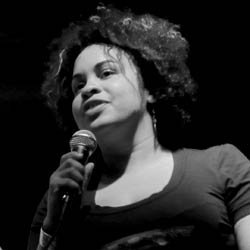
Esley Philander (@EsleyPhilander)
Philander is a filmmaker, a writer and the media and communications manager for the Black Sash, a veteran human rights organisation that champions social justice.

Hanli Prinsloo (@hanliprinsloo)
A Freediver and Ocean Conservationist, Hanli Prinsloo is the founder of the I AM WATER Foundation which focuses on Ocean Conservation through Human Experience.

Indira Govender (@indigoesround)
A medical doctor and an activist, Govender was born to parents who were human rights lawyers. Govender identifies as a black consciousness feminist and is respected for her work in public health.

Jane Duncan (@DuncanJane)
Duncan is a Professor of Journalism at the University of Johannesburg, and was Highway Africa Chair of Media and Information Society, School of Journalism and Media Studies at Rhodes University. Duncan is a prominent media activist and former executive director of the Freedom of Expression Institute, who writes widely on media policy and media freedom issues.

Jasandra Nyker (@BioThermEnergy)
Nyker is the CEO of BioTherm Energy, one of SA’s leading renewable energy developers. A board member of the SA Wind Energy Association, Nyker is also a WEF Young Global Leader.

Jeanne Bodenstein (@jeannebodnstein)
Bodenstein is the Advocacy Coordinator at the Rape Crisis Cape Town Trust and heads the Rape Survivors’ Justice Campaign.

Jen Thorpe (@Jen_Thorpe)
During the day Thorpe works as a researcher focussing on women’s rights and LGBTI in politics, but by night writes fiction. Thorpe’s first novel, The Peculiars, was was longlisted for the Etisalat Prize and the Sunday Times fiction prize.

Kathleen Dey (@kathdey)
Dey is the director of the Rape Crisis Cape Town Trust, which offers free services including face-to-face counselling, a 24-hour helpline and support through court cases and the criminal justice system.

Khadija Patel (@khadijapatel)
Editor in Chief at the Mail & Guardian, Patel co-founded the Daily Vox digital platform to amplify the young voices in South Africa.

Koketso Moeti (@Kmoeti)
A human rights activist, Moeti is the founder of Amandla.Mobi. An independent, community advocacy organisation that seeks to build a more just and people-powered Mzansi, Amandla.Mobi is about turning every mobile phone into a democracy building tool

Kwezilomso Mbandazayo (@KwezilomsoM)
The Women’s Rights and Gender Justice Programme Manager for Oxfam South Africa, Mbandazayo self describes as “a Black, Queer, Feminist thinker and activist.” She has worked with the One in Nine Campaign, the Forum for the Empowerment of Women, The United Front and the Johannesburg People’s Pride.

Lady $kollie (@LadySkollie)
A feminist artist and activist, Lady $kollie [aka Laura Windvogel] has disrupted local and international art circuits with her work, which speaks to gender, sexual politics, consent, lust, identity and stereotypes.
Laurel Oettle (@Laurel_Oettle)
A passionate advocate for equality, human dignity and gender justice, Oettle is the Director of the Association For Rural Advancement.
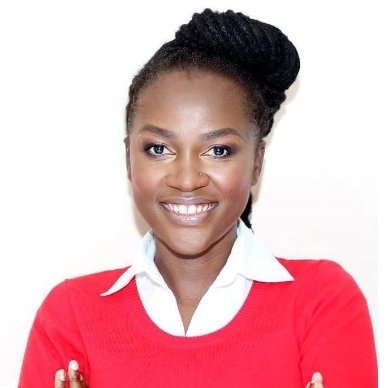
Lelemba Phiri (@lelemba)
Lelemba is the Chief Marketing Officer for Zoona, one of the fastest growing fin-tech companies in Africa. She has used her position of influence to drive the girl effect and other women's empowerment initiatives at her company. She is an author, and also the co-founder of Africa Trust Academy.
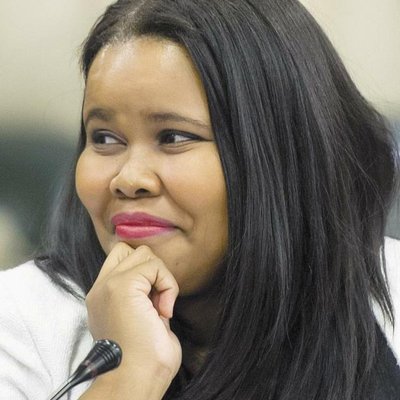
Lindiwe Mazibuko (@LindiMazibuko)
A WEF Young Global Leader and Harvard Institute of Politics Fellow, Mazibuko the first black woman in South African history to be elected Leader of the Opposition in Parliament. Mazibuko describes herself as a “Muscular Feminist” and “Relentless Idealist”.

Louise Meek LeBlanc (@Louise__Meek)
Meek LeBlanc is the founder of The Isabelo™ Smart Bench, a stand-alone, entirely solar-powered free Wi-Fi hotspot for public use.

Mandisa Shandu (@MandiShandu)
Shandu is an activist lawyer and the Co-Director at @NdifunaUkwazi, which provides legal, research and organising support to communities in struggles for urban land justice, affordable housing and tenure security.

Melanie Judge (@Melaniejudge)
A feminist, Judge has a Ph.D in Women's and Gender Studies, and is widely respected for lobbying and advocating for the rights of lesbian, gay, bisexual, transgender and intersex (LGBTI) people. Judge is an Adjunct Associate Professor at the University of Cape Town.

Mich Atagana (@MichAtagana)
Atagana is the Head of Communications and Public Affairs, South Africa at Google. Before that Atagana edited Memeburn and managed the Burn Media group for four years, launching Gearburn.com, Ventureburn.com and Motorburn.com.
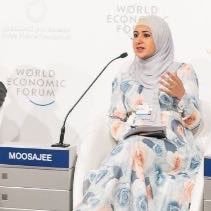
Naadiya Moosajee (@NaadiyaMoosajee)
Moosajee is co-founder and CEO of WomHub, an international NPO that aims to develop and promote female engineering leaders in Africa.
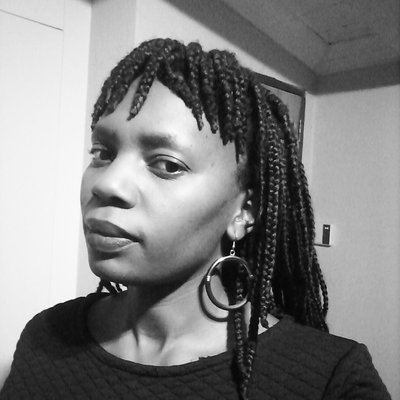
Nomalanga Mkhize (@NomalangaSA)
Mkhize is an Associate Professor in the Department of Anthropology at The Nelson Mandela Metropolitan University.

Nomboniso Gasa (@nombonisogasa)
Gasa is a researcher and analyst on gender, politics and cultural issues, whose work weaves academic, lived experience and constant engagement with contemporary and historical issues. Gasa is also a Public Speaker on Gender, Politics, Leadership and Cultural Issues

Panashe Chigumadzi (@panashechig)
Chigumadzi is an award-winning writer whose novel Sweet Medicine won the Sello Duiker Award. Published in The New York Times, The Guardian, and Spiegel, Chigumadzi was the founding editor of Vanguard Magazine. Chigumadzi was the curator of Soweto’s inaugural Abantu Book Festival.
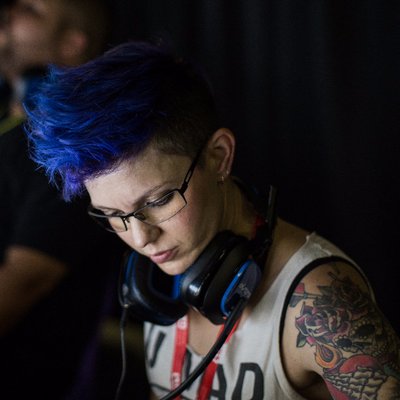
Pippa Tshabalala (@UnexpectedPippa)
Tshabalala is the former presenter of The Verge -- South Africa's first locally produced TV show on video games, gaming and tech. Based in Johannesburg, Tshabalala is currently On Air Manager for Viacom Africa!.
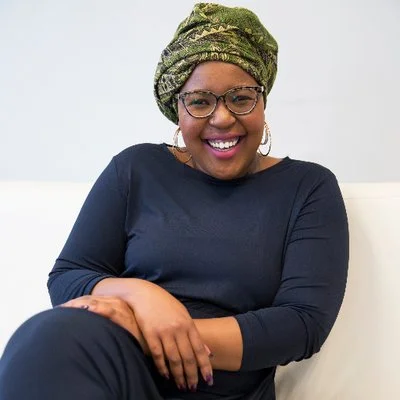
Pontsho Pilane (@pontsho_pilane)
Pilane is a health journalist at the Mail & Guardian, and holds two degrees in media studies from Wits University, whose journalistic career started at The Daily Vox and focused on gender, race and how they intersect.
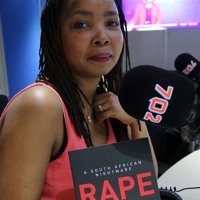
Pumla Dineo Gqola (@feminist_rogue)
Gqola is Associate Professor in the Department of African Literature at Wits. Previously, Gqola worked as Focus Area Leader: Open Speak at the Meraka Institute, managed by the CSIR. The author of Rape: a SA Nightmare, Gqola also authored What is slavery to me? and A renegade called Simphiwe.

Rapelang Rabana (@rapelangrabana)
Founder and CEO of Rekindle Learning and Executive Director of Nisela Capital, Rabana is a WEF Young Global Leader and serves on the WEF Global Agenda Council for Software and Society. She describes herself as a Technology Entrepreneur. She was one of Forbes Africa 30 Under 30 Top African Entrepreneurs, and was selected as a Fast Company Maverick.

Rebecca Davis (@becsplanb)
Davis the author of Best White (And Other Anxious Delusions), has a master’s in English Literature from Rhodes and a master’s in Linguistics from Oxford. Davis writes for Daily Maverick.
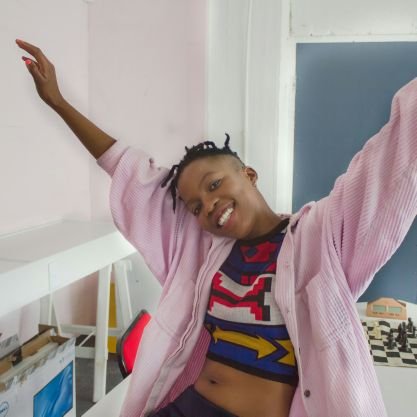
Regina Kgatle (@RrrEeGina // @67GamesSA)
Kgatle aims to blur the lines between learning and play. Her company, Educade, creates and promotes games that are suitable for the national curriculum. Each game is housed in an Educational Arcade Machine made from e-waste and recycled materials.

Sian Ferguson (@sianfergs)
Sian Ferguson is a writer based in Grahamstown, whose areas of interest include health, social justice and cultural trends.
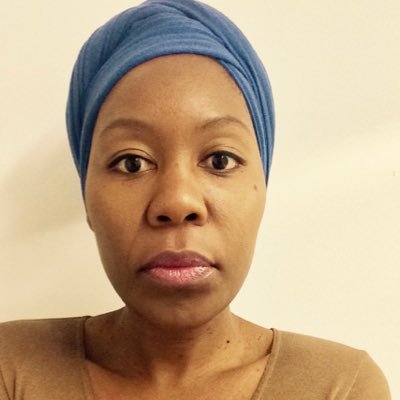
Sisonke Msimang (@Sisonkemsimang)
Msimang is a writer and whose work has focused on social justice and human rights, including issues like race, gender, democracy and politics. The former Executive Director of the Open Society Initiative for Southern Africa, Msimang is a regular contributor to The Guardian, The Daily Maverick and The New York Times. Her memoir will be published by Jonathan Ball later this year.

Sydelle Willow Smith (Insta: @sydellewillowsmith)
Willow Smith is a photographer and video director, who focuses on the themes of memory, migration and identity. The first recipient of the Gisele Wulfsohn Mentorship for work on migration, Smith co-founded the solar powered mobile cinema initiative, Sunshine Cinema. Her work has been published in Le Monde, 1843, ADACC, Le Nouvelle Observateur, The Africa Report, Camera Austria, and National Geographic Traveller.

Tlaleng Mofokeng (@drtlaleng)
Dr Mofokeng is a medical doctor, who works with the International SOS. She featured on Al Jazeera’s The Cure and regularly appears as ‘Dr T’ on Kaya FM. Her focus is on reproductive health, sexual health and wellness management. Awards include Destiny Magazines’ Power of 40, Mail and Guardian 200 Young South Africans, 2016 and Winner of 120 Under 40 Award by the Bill & Melinda Gates Institute, 2016.

Thato Kgathlanye (@OfficialRethaka)
Kgathlanye founded Repurpose Schoolbags, which produces a backpack for school goers made from recycled materials. It has a solar panel that charges a battery during the day, which powers a light for studying at night. She has been featured on CNBC Africa and Forbes, and won the ELLE international Impact2 Award. In 2014 she was runner up at the prestigious Mastercard Anzisha Prize

Thuli Madonsela (@ThuliMadonsela3)
Former Public Protector of South Africa, the much loved and respected Madonsela is a Harvard Advanced Leadership Fellow, and self-describes as a ‘Life activist on Justice, Human Rights, Rule of Law and Governance’.

Zamantungwa Khumalo (Zamantungwa_K)
Zamantungwa has a passion for African development, women empowerment and media. Previously Executive Producer at POWER FM, now Supplements & Special Projects Editor @mailandguardian. In 2017 she wrote an essay that had her selected to represent the Global Shapers community at the World Economic Forum in Davos.
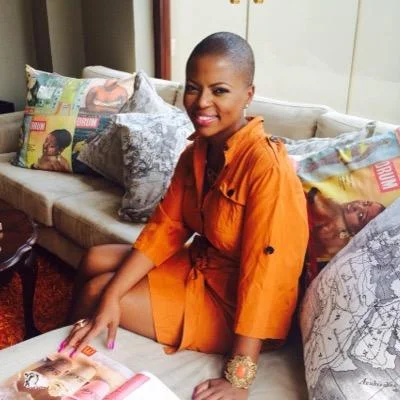
Zukie Siyotula (@ZukieSiyotula)
CEO of Thebe Capital, Siyotula is a Chartered Accountant (SA) and a Chartered Global Management Accountant (UK), who was ranked top student in South Africa on completion. She earned an MBA at GIBS, and is a WEF Young Global Leader. She is also a founding member of the African Leadership Network (ALN) and Graca Machel’s New Faces New Voices Network (NFNV). Winner of numerous business awards, she was most recently awarded the Fortune Most Powerful Women Global Mentoring Exchange Program in New York and the Vital Voices Global Ambassadors Program. She is part of their Global Leadership Network, and she was also awarded the prestigious International Women’s Forum Leadership Fellowship with Harvard and Insead.
Compiled by Charlie Mathews of Treeshake. Free for use with attribution in terms of Creative Commons.
Charlie Mathews [the writer and former advertising agency owner once known as Mandy de Waal], is a queer and genderfluid writer, cartoonist and business strategist. Mathews works with Treeshake on global change campaigns, and has a special interest in gender equality.
Let’s make SA part of the world’s first 50/50 Day today and every year.
What Consumers Expect From Brands: Why Doing Good Should Be a No-Brainer
With the rise of social and environmental awareness, it is imperative for brands to adopt a change-driven focus. Consumers distrust traditional advertising and expect big brands to act responsibly and work towards bettering the world. Affecting meaningful change is the way forward in terms of maximising profits and gaining credibility with consumers.
The world's most successful brands are using their platforms and resources for the betterment of society and are reaping the rewards. Consumers are, more so than ever before, highly aware of world issues and tend to conduct their lives accordingly. Instead of blindly consuming products based on overused advertising techniques, Global and U.S. Retail Sector Leader Mark Larson states that people are leaning towards brands that “operate responsibly to address social and environmental issues.” It is becoming increasingly necessary for brands to align themselves with positively impacting the world in order to fulfil the consumer expectation that they “stand for more than the products they sell.”
In a survey conducted by The Macarthy Group, it was found that 84% of millennials are not won over by traditional marketing methods, clearly illustrating the fact that brands need to do more to catch their attention. With the rise of social consciousness as a whole, it is becoming necessary for brands to move towards actively engaging with world issues. Tim Neilson, Co Founder of the Global Philanthropy Group, points to the fact that 93% of millennial consumers are more likely to buy from brands that have a clear “cause association.” While advocating for more than one’s product may seem risky, it has been shown that the benefits are paramount. By integrating meaningful change, brands gain credibility with customers who are increasingly socially and environmentally aware.

Source: 2015 Cone Communications Millennial CSR Study
As part of Fortune’s Change the World List, Alan Murray noted, “businesses are searching for new ways to prove capitalism’s power to rectify social ills,” showing that there is a recognised need to move away from being solely profit-hungry. Millennials are, in particular, disillusioned by the marketing practices of big corporations who deny that they have any responsibility in shifting inequality and other social issues. There is, as Murray notes, the opportunity for capitalism to do good and use their resources for the betterment of the world. In the 2016 Cone Communications/Ebiquity Global CSR Study it was highlighted that 90% of consumers absolutely expect brands to work in a way that directly confronts environmental and social concerns.
The success of this change-driven approach has been demonstrated by a number of influential brands such as Tesla, a car manufacturing company that rejected the use of fossil fuels and shifted its focus to developing sustainable technology. By employing various strategies that boosted the manufacturing and distribution of electric cars, the company actively aligned itself with environmental sustainability and proved to its consumers that it was committed to doing its part to alleviate environmental concerns. Not only did this gain the brand positive publicity but, as a result, allowed for a jump in their profits, showing that doing good is also wise from a business perspective.
Paul Polman, CEO of consumer goods company Unilever, looks to the UN’s Sustainable Development Goals (SDGs) as being the “fundamental cornerstone to secure future economic and business growth.” Unilever itself began implementing the Unilever Sustainable Living Plan (USLP) in 2010, clearly aligning itself with the SDGs. Polman notes that this plan illustrates just how effective a focus on sustainability can be, with their “Sustainable Living brands growing 30% faster than the rest of the company.” By actively working with the SDGs, Unilever was able to achieve tangible returns, illustrating just how beneficial a change-based focus can be.

Source: Just Capital
Apple is another huge brand that is using its platform and resources to make a difference and, therefore, attracting customers who expect and value this focus. In Greenpeace’s 2015 Clicking Clean Report, they pointed to Apple’s impressive efforts, noting that it has “…increased its impact as a change agent driving renewable energy.” 93% of the company’s energy usage comes from renewable sources and is a perfect example of how one can positively impact the world whilst simultaneously making massive profits. In addition to their use of renewable energy sources, Apple also announced their “sustainable forestry agenda” that looks to conserve 35 000 acres in the US, as well as 1 million acres in China. It is clear that even the biggest brands are getting involved in the movement towards actively engaging with social and environmental issues and receiving significant good publicity as a result.
“Brands need to keep up with a growing social and environmental consciousness amongst consumers”
In addition to environmental sustainability, many brands are also focusing on social issues throughout the world. Coca-Cola, for instance, ran a campaign in both Pakistan and India that encouraged people to move past their differences and connect over a Coke. Highly advanced vending machines were set up and allowed people in each country to communicate through “a live communications portal linking strangers in two nations.” The relationship between Pakistan and India is deeply affected by historical conflict and, by recognising this issue and working towards alleviating it, Coke gained credibility with consumers who value social change. The thought behind the “Small World Machines” was to spark a moment of happiness and unification that the consumer would inevitably associate with Coca-Cola’s product. Coke is a prime example of how positive this shift towards the incorporation of social awareness can be.
Simply put, brands need to keep up with a growing social and environmental consciousness amongst consumers. Having little to no regard for world issues is becoming more and more unattractive and it’s important for companies to actively move towards making meaningful change in order to combat this perception. The way forward, then, is for brands to gain publicity through making a positive impact on world issues and fulfill the consumer expectation to actively engage with such.
Why targeting a small audience can help you reach a larger audience online
By trying to appeal to everyone, you will end up appealing to no-one. A key principle when developing a campaign is that you identify a core inner-circle of people who are likely to respond to it and care about it. This takes courage and conviction. It means that in your messaging, in your creative concept, and in your targeting that you will exclude most of your potential audience, at least initially.
In a time where it is so easy to ignore irrelevant information and entertainment, trying to appeal to everyone can ensure you end up appealing to no-one in particular.
People are looking for news that is relevant to them and their individual interests. So, if I’m into commuter cycling, then I’m more likely to pick up on an article or video that speaks to that specifically than a generically titled article about cycling.
You may be concerned that, by targeting a smaller audience, your ultimate reach would be lower, but this is not the case. When you appeal to people directly, they’re more likely to share the news or article than if it is a generic piece. The specifically targeted piece says something about me, and what I believe in, so I will more likely share it.
“By trying to appeal to everyone, you will end up appealing to no-one”
This can hold true, even when it comes to public campaigns. For example, Coca Cola created a billboard that could only be understood by the 5% of people who are colourblind. Instead of being ignored by the 95%, this advert engaged their curiosity. For the first time, colour blind people had an advantage, as well as a good reason to talk about the campaign and show off their unique ability.
By trying to appeal to everyone, you will end up appealing to no-one. A key principle when developing a campaign is that you identify a core inner-circle of people who are likely to respond to it and care about it. This takes courage and conviction. It means that in your messaging, in your creative concept, and in your targeting that you will exclude most of your potential audience, at least initially.
“Tighter targeting, bolder and more directed headlines, as well as content directed at an interested community is key”
We work with a concept called the 1>9>90 rule at Treeshake, which basically says that 1% of people create the content, that 9% share and 90% consume. So as a 1% content creator, you’re wasting your time trying to get people in the 90% to share. They simply won’t. In fact, the 90% only pay attention to content that is shared by someone they know. Someone in the 9% needs to share the content before they’ll pay attention to it.
Isn’t this true for you? For example, do you often find articles in your newsfeed on Facebook from news organisations that you don’t follow, on topics that you’re not directly interested in? And don’t you occasionally read those articles or watch those videos because of who shared it?
As an example, I’m not directly interested in architecture, but I trust my friend Erik to share good content. So when he shared a video about “Architecture that Heals”, I was compelled to click and watch it. If TED (or whoever else was promoting the content) tried to target me directly they would have failed to engage me. My interest was sparked because I knew the sharer.
This is one of the paradoxes of digital content strategy. Tighter targeting, bolder and more directed headlines, as well as content directed at an interested community is key. Content is much more likely to spread further and faster than something specifically targeted at a more general audience.
There is of course the risk of being too specific or obscure, but you should use your discretion.
The following three criteria can provide a useful guide to targeting:
Is the target audience small enough to reach, but big enough to influence the change you want - generally speaking around 10% of your total intended reach. (This tells you if your intended audience is too small or too big)
Is it possible to reach the entire interested target readership? (This tells you if your audience definition is specific enough)
Are they likely to share the piece? (This tells you if your piece is surprising or interesting enough for your target audience)
We don't need to reach every possible person we can, and this particular mistake is what creates the type of noise that people switch off from online. Discipline in your targeting will lead to better creativity, better advertising, and better results. Don't be scared of excluding people, there's a far higher risk of being totally ignored. Focus.


